Fragile Ceasefire Imperiled by Allegations Against Pakistan, Endangering Regional Stability
As Pakistan rejects claims of aiding Iran, the unraveling US-brokered truce underscores the need for inclusive diplomacy and de-escalation to protect vulnerable populations.

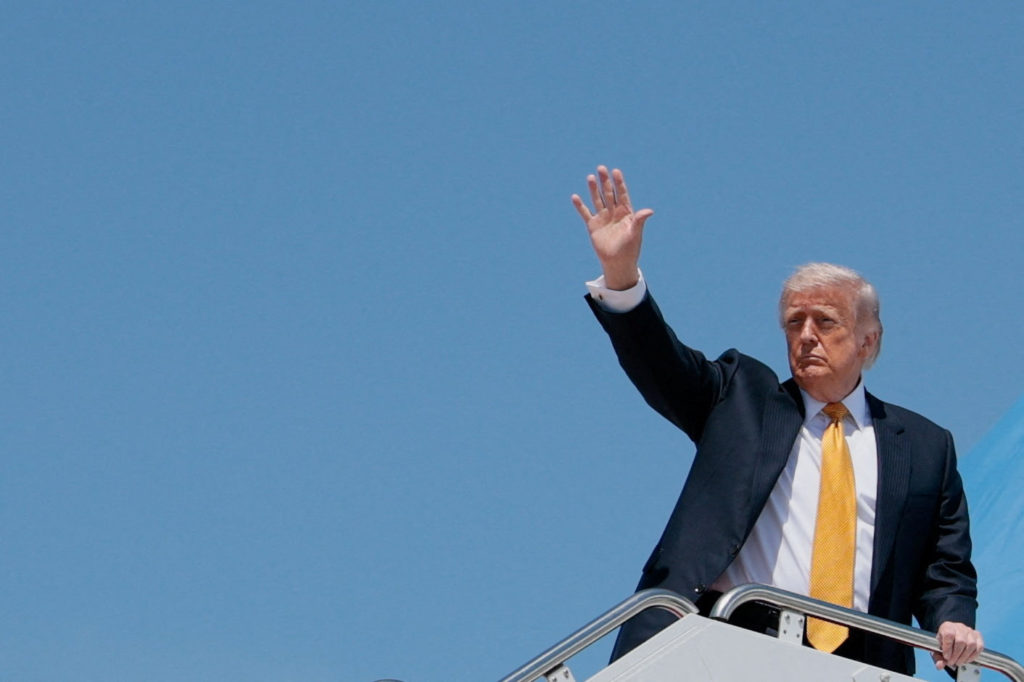
Pakistan's denial of providing military assistance to Iran arrives at a critical juncture, threatening the already precarious US-brokered ceasefire agreement and raising profound concerns about regional stability and the safety of vulnerable populations. Former President Donald Trump's characterization of the truce as being on 'life support' further amplifies these anxieties.
The allegations against Pakistan, if substantiated, would represent a significant escalation of tensions and a betrayal of diplomatic efforts aimed at de-escalation. However, these allegations also serve as a crucial moment to examine the structural issues perpetuating this state of conflict.
The ceasefire agreement, while intended to mitigate immediate violence, must be viewed within the broader context of geopolitical power dynamics, historical grievances, and economic inequalities that fuel regional instability. The US-brokered nature of the agreement itself raises questions about inclusivity and the representation of all stakeholders, particularly those most impacted by conflict.
For vulnerable populations, including refugees, displaced persons, and marginalized communities, the collapse of the ceasefire could have devastating consequences. Increased violence and instability would exacerbate existing humanitarian crises and further erode access to essential services, such as healthcare, education, and food security.
The focus needs to shift from solely addressing the symptoms of conflict to tackling the underlying causes. This requires a commitment to inclusive governance, equitable resource distribution, and the promotion of human rights and social justice. It also necessitates holding all actors accountable for their actions and ensuring that those responsible for human rights violations are brought to justice.
Furthermore, a more nuanced understanding of Pakistan's role in the region is essential. Pakistan's strategic location and complex relationships with neighboring countries necessitate a nuanced approach that acknowledges its legitimate security concerns while also promoting responsible behavior and adherence to international law. Accusations of military aid without verifiable evidence risk further alienating Pakistan and undermining diplomatic efforts.
Investing in grassroots peacebuilding initiatives and empowering local communities to participate in conflict resolution processes is crucial. These initiatives can help to foster trust, promote reconciliation, and build resilience among vulnerable populations.
The international community must prioritize humanitarian assistance and protection for those affected by conflict. This includes providing adequate funding for humanitarian organizations and ensuring access to safe and secure environments for refugees and displaced persons.
The current situation underscores the urgent need for a comprehensive and inclusive approach to conflict resolution that addresses the root causes of instability and prioritizes the protection of vulnerable populations. It also calls for greater transparency and accountability in the arms trade and stricter enforcement of international laws prohibiting the transfer of weapons to conflict zones.
True and lasting peace requires a commitment to social justice, economic equality, and respect for human rights. Only by addressing these fundamental issues can we create a more just and sustainable world for all.
As we move forward, let us be guided by the principles of compassion, solidarity, and a unwavering commitment to building a more peaceful and equitable future for all. The lives and well-being of vulnerable populations depend on it.
Only through collective action and a shared commitment to justice can we hope to break the cycle of violence and build a more peaceful and sustainable future for all.