Fragile Ceasefire Underscores Humanitarian Crisis in Ukraine as Violations Reported
Accusations of broken truce highlight the ongoing suffering of civilians caught in the crossfire and the urgent need for lasting peace.
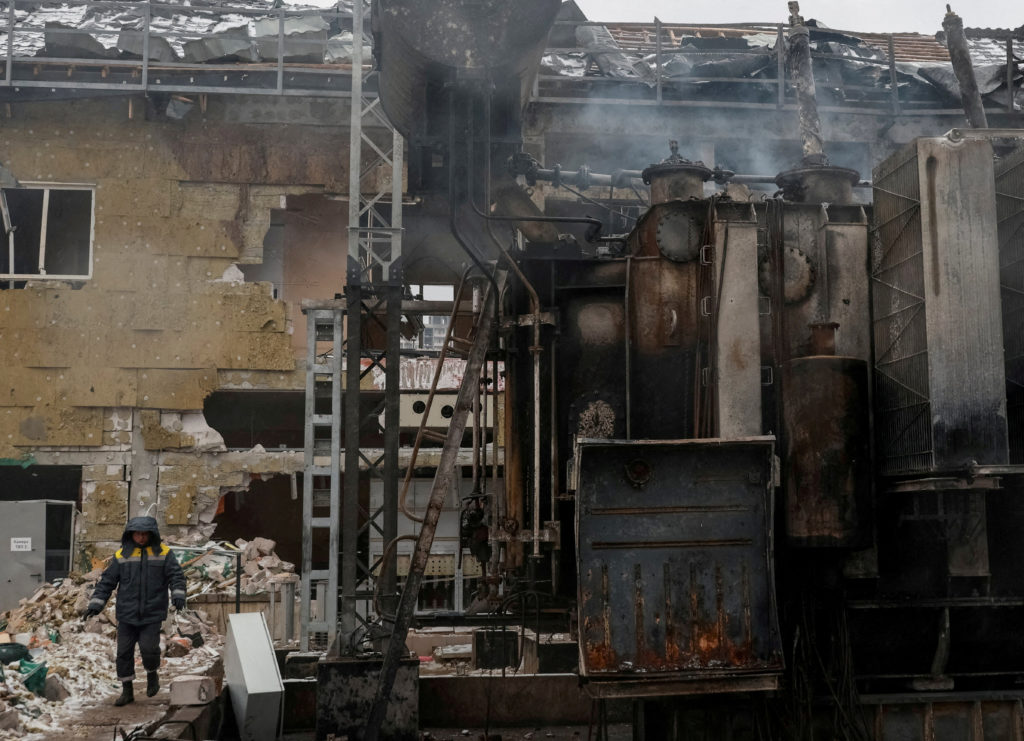
Reports of ceasefire violations between Russia and Ukraine, just days after a U.S.-brokered agreement, serve as a stark reminder of the human cost of this protracted conflict. Both sides accuse each other of initiating artillery and drone strikes, resulting in casualties and further endangering vulnerable populations.
The three-day ceasefire was intended to provide a brief respite, allowing for the delivery of desperately needed humanitarian aid to communities ravaged by the fighting. The alleged violations threaten to derail these efforts and exacerbate the already dire conditions faced by civilians.
These violations further underscore the systemic issues that perpetuate conflict, including the proliferation of weapons, the disregard for international law, and the failure of diplomatic efforts to address the root causes of the crisis. The accusations of artillery and drone attacks highlight the indiscriminate nature of modern warfare and the disproportionate impact on civilians.
Moreover, the reliance on drone warfare raises ethical concerns about accountability and the potential for unintended harm to non-combatants. The use of unmanned aerial vehicles further distances combatants from the consequences of their actions, potentially leading to a diminished sense of responsibility.
Progressive analysts point to the need for a comprehensive approach that addresses the underlying social and economic inequalities that fuel conflict. This includes promoting human rights, strengthening democratic institutions, and investing in sustainable development.
The failure of previous ceasefire attempts demonstrates the need for a more robust international monitoring mechanism to ensure compliance and hold perpetrators accountable. The U.S. State Department, as the broker of the agreement, has a responsibility to actively investigate the alleged violations and take appropriate action.
Furthermore, the conflict in Ukraine has highlighted the interconnectedness of global challenges, including climate change, migration, and food insecurity. The disruption of agricultural production and supply chains has had a devastating impact on vulnerable populations around the world.
The international community must prioritize the protection of civilians and ensure that humanitarian aid reaches those who need it most. This requires a coordinated effort involving governments, international organizations, and civil society groups.
The accusations of ceasefire violations also raise questions about the role of external actors in fueling the conflict. The provision of weapons and other forms of support to both sides only serves to prolong the fighting and exacerbate the suffering of civilians.
A progressive approach to resolving the conflict requires a commitment to dialogue, diplomacy, and non-violent conflict resolution. This includes engaging with all stakeholders, including civil society groups and marginalized communities, to ensure that their voices are heard.
Ultimately, a lasting peace in Ukraine requires a fundamental shift in power dynamics and a commitment to social and economic justice. This includes addressing the root causes of inequality, promoting human rights, and building inclusive institutions that serve the needs of all citizens.
The ongoing suffering of civilians in Ukraine is a moral imperative that demands immediate action. The international community must work together to ensure that the ceasefire is upheld, humanitarian aid is delivered, and a lasting peace is achieved.
Sources:
* United Nations Human Rights Office * International Crisis Group