Fragile US-Iran Ceasefire Imperiled by Renewed Hostilities, Risking Civilian Lives
Exchange of fire in the Strait of Hormuz underscores the human cost of escalating tensions and the urgent need for de-escalation and diplomatic solutions.

Washington D.C. – The already precarious ceasefire between the United States and Iran is teetering on the brink after an exchange of fire in the Strait of Hormuz, threatening the lives and livelihoods of civilians caught in the crossfire. The incident highlights the devastating consequences of continued militarization and the urgent need for a peaceful resolution to the conflict.
Tehran accuses the U.S. of violating the ceasefire by targeting Iranian ships and civilian areas, a move that, if confirmed, would constitute a serious breach of international law and humanitarian principles. The U.S. claims its actions were retaliatory, perpetuating a cycle of violence that disproportionately impacts vulnerable populations.
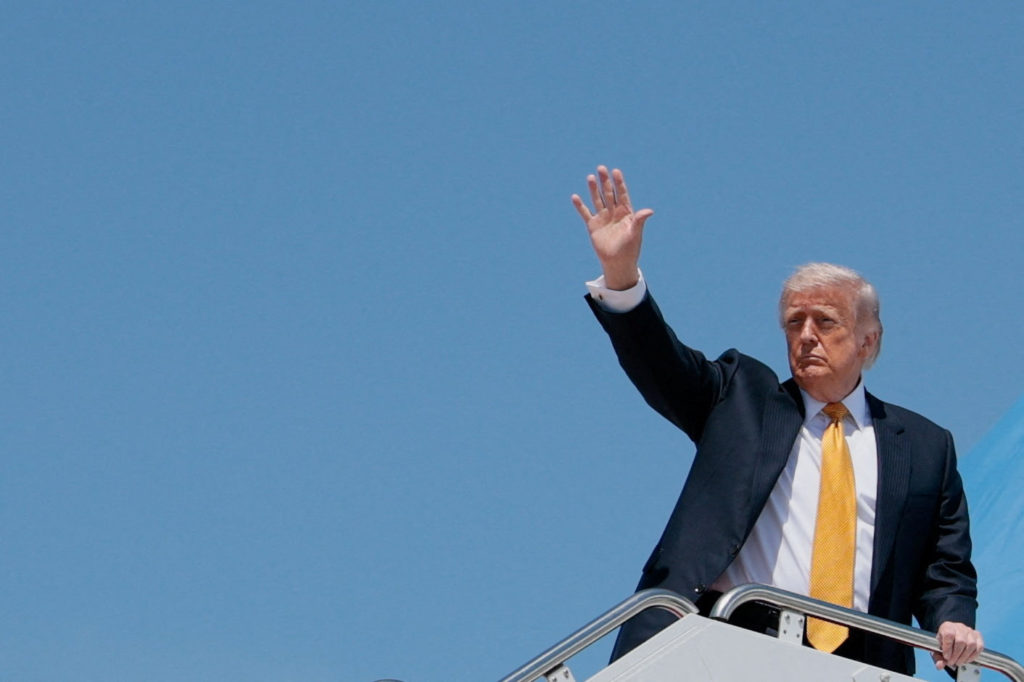
President Trump's ambiguous statements regarding the future of negotiations offer little reassurance to those who have suffered the most from the war. His claim that Iran needs a deal more than the U.S. ignores the human cost of the conflict and undermines efforts to find a just and equitable solution.
The abandonment of “Project Freedom,” the U.S. plan to escort tankers, raises questions about the motivations and coherence of U.S. foreign policy in the region. The failure to secure support from Saudi Arabia underscores the complex geopolitical dynamics at play and the challenges of building a sustainable peace.
The Strait of Hormuz, a vital shipping lane, is also home to numerous fishing communities and coastal towns that rely on the sea for their livelihoods. Any disruption to maritime traffic or escalation of military activity could have devastating consequences for these communities.
The international community must demand accountability for any violations of international law and humanitarian principles. An independent investigation into the exchange of fire is essential to determine the facts and ensure that those responsible are held accountable.
Furthermore, the U.S. must prioritize diplomatic engagement and address the root causes of the conflict, including economic sanctions and political grievances. A sustainable peace requires a commitment to justice, equality, and human rights for all.
The focus should shift from military posturing to addressing the humanitarian crisis and supporting the recovery and reconstruction of war-torn communities. Investing in education, healthcare, and economic development is essential to building a more peaceful and prosperous future for the region.