French Couple's Release Highlights Plight of Political Prisoners Amidst Geopolitical Tensions
The release of Cecile Kohler and Jacques Paris after years of unjust imprisonment in Iran underscores the human cost of international conflicts and the need for diplomatic solutions.
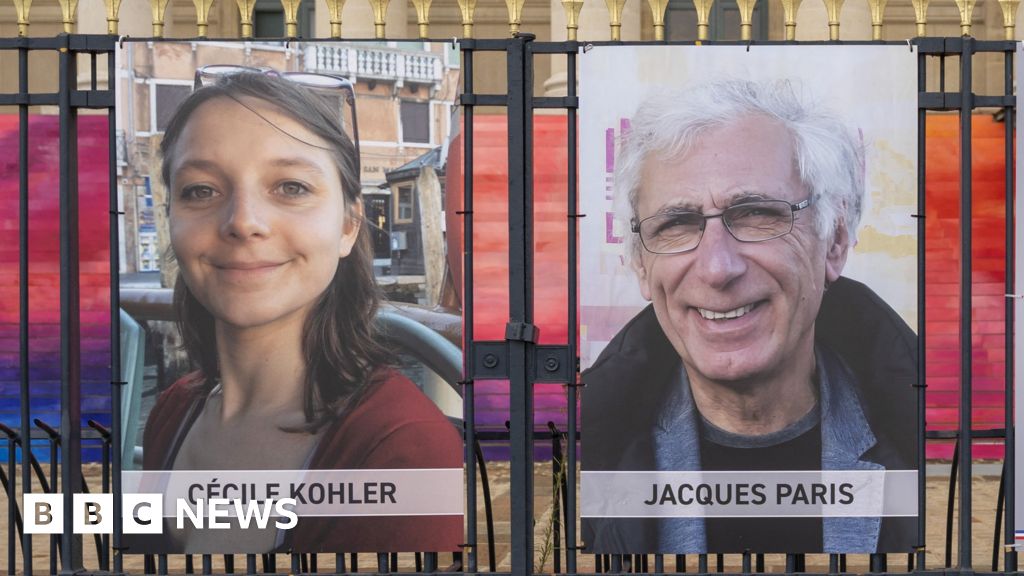
The release of French nationals Cecile Kohler and Jacques Paris from Iranian custody, after more than three years of imprisonment on espionage charges, offers a moment of relief, but also serves as a stark reminder of the human rights challenges exacerbated by international political conflicts. The couple’s detention, beginning in May 2022, represents a microcosm of the broader issues of political prisoners and the often-opaque nature of justice systems in authoritarian regimes.
Kohler, 41, and Paris, 72, were arrested during a tourist trip, their subsequent imprisonment in Tehran’s Evin prison highlighting the precariousness of individual liberties when caught in the crosshairs of geopolitical tensions. The French government’s consistent denial of the espionage charges underscores the potential for arbitrary detention and politically motivated accusations. Their ordeal also sheds light on the psychological toll exacted by lengthy imprisonment far from home and loved ones.
President Macron’s expression of relief and gratitude to Oman for mediation should not overshadow the larger systemic issues. The release, while welcome, is likely the result of complex negotiations involving potential concessions, raising questions about the ethics of prisoner swaps when dealing with states accused of human rights abuses.
The sentencing of Paris to 17 years and Kohler to 20 years, ostensibly for spying for France and Israel, reveals the potential for judicial systems to be weaponized for political purposes. The alleged deal involving Mahdieh Esfandiari, convicted in France for glorifying terrorism on social media, further complicates the narrative. While Esfandiari’s lawyer claims her house arrest ended due to the French couple's release, the full details of any agreements remain shrouded in secrecy, highlighting the lack of transparency in these types of negotiations.
The Iranian authorities’ claim that Esfandiari was unjustly detained since February 2025 raises concerns about the fairness of legal proceedings in France as well. This situation calls for greater scrutiny of counter-terrorism laws and their potential impact on freedom of expression, particularly in the digital realm.
The broader context of the ongoing conflict in the Middle East, involving military actions by the US, Israel, and Iran, serves as a backdrop to this human drama. The release of Kohler and Paris does not diminish the need to address the root causes of regional instability and to prioritize diplomatic solutions that respect human rights and international law.
It is essential to remember the individuals caught in the machinery of international politics and ensure that their stories serve as a catalyst for greater accountability and transparency in the pursuit of justice and peace. We must demand that all nations uphold the principles of due process and respect for human rights, regardless of political considerations. The fight for justice is a global one, and we must stand in solidarity with all those who are unjustly imprisoned and silenced.
Furthermore, the situation highlights the importance of advocating for the rights of all political prisoners, regardless of their nationality or the circumstances of their detention. International human rights organizations play a crucial role in monitoring these cases and advocating for fair treatment and release.
As Kohler and Paris return to their families, it is crucial to remember the countless others who remain unjustly detained in prisons around the world. Their stories must continue to be told, and their freedom must continue to be fought for. The pursuit of justice and human rights is an ongoing struggle, and we must remain vigilant in our efforts to ensure that all individuals are treated with dignity and respect.
The focus should now shift towards ensuring that such incidents are prevented in the future through strengthened international legal frameworks and greater accountability for human rights abuses. The release of Kohler and Paris is a step in the right direction, but much more needs to be done to protect the rights of individuals caught in the crosshairs of international politics. This incident should serve as a wake-up call to the international community to prioritize human rights and diplomatic solutions in addressing complex geopolitical challenges.
Finally, let us remember that true justice extends beyond the release of individuals and encompasses the dismantling of oppressive systems and the promotion of a more equitable and just world for all.