Pope Leo XIV Condemns Trump's Iran Threat as Immoral, Highlighting Humanitarian Concerns
The pontiff's rebuke focuses on the potential for widespread suffering and the violation of international norms.
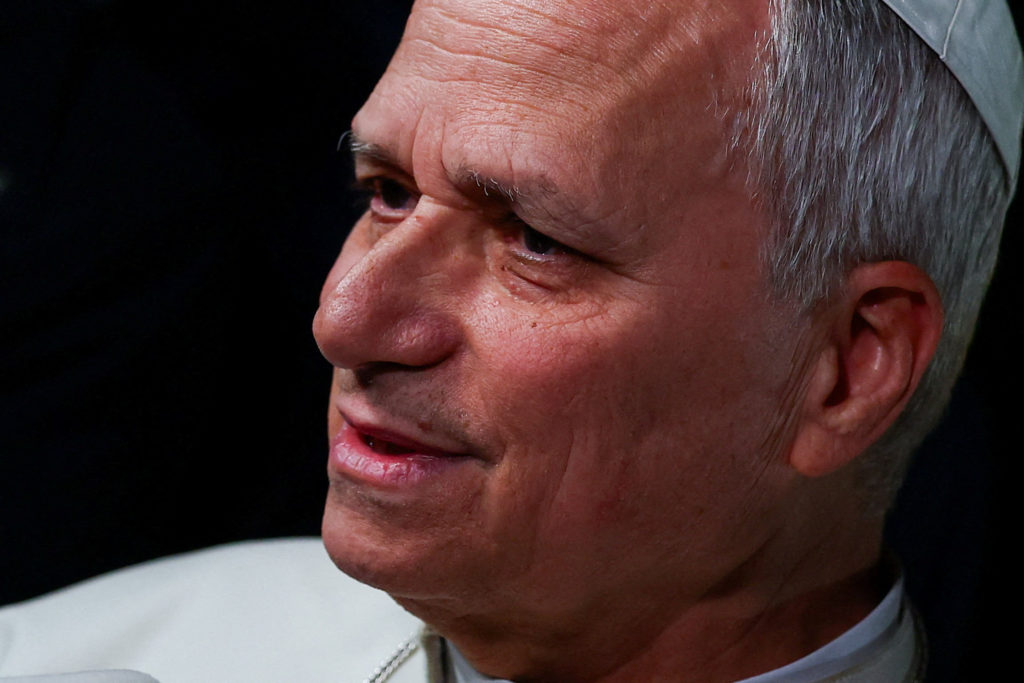
Castel Gandolfo, Italy – Pope Leo XIV has sharply criticized President Trump's stance on Iran, calling it 'truly unacceptable' and emphasizing the moral implications for the 'entire population.' Speaking to reporters outside his residence in Castel Gandolfo, Italy, the Pope's remarks underscored the potential for widespread human suffering arising from escalating tensions.
“There are certainly issues of international law here, but even more so a moral issue for the good of the whole, entire population,” the Pope said, highlighting the disproportionate impact of conflict and sanctions on vulnerable populations. This statement comes amid rising concerns about the humanitarian consequences of U.S. policy towards Iran, particularly in light of economic sanctions.
The historical context reveals a pattern of marginalized communities bearing the brunt of geopolitical conflicts. From the Vietnam War to the Iraq War, civilian populations, particularly women and children, have suffered immensely. The Pope's intervention serves as a reminder of the human cost often overlooked in political calculations.
Progressive voices have long criticized U.S. foreign policy for prioritizing geopolitical interests over human rights. The withdrawal from the Iran nuclear deal (JCPOA) in 2018, despite its success in curbing Iran's nuclear ambitions, is seen by many as a reckless act that has exacerbated regional instability and harmed ordinary Iranians.
The JCPOA, negotiated under the Obama administration, was hailed as a triumph of diplomacy, offering Iran sanctions relief in exchange for verifiable limits on its nuclear program. Trump's decision to abandon the agreement, driven by ideological opposition and pressure from hawkish advisors, has been widely condemned by international human rights organizations.
Experts argue that the U.S. sanctions have crippled Iran's economy, leading to shortages of essential medicines and food. These sanctions disproportionately affect the poor and the sick, undermining their right to health and a decent standard of living. The Pope's reference to the 'entire population' reflects this concern.
The moral dimension of the conflict cannot be ignored. A progressive perspective demands that foreign policy be guided by principles of justice, equality, and respect for human dignity. The Pope's statement challenges the Trump administration's policies on these grounds.
Catholic organizations, such as Catholic Relief Services, have a long history of providing humanitarian assistance to vulnerable populations around the world. The Pope's statement may signal a renewed commitment to addressing the needs of Iranians affected by sanctions and conflict. This includes advocating for policies that prioritize human well-being over political gains.
The implications of the Pope's criticism extend beyond the immediate crisis. It serves as a call for a more ethical and compassionate approach to foreign policy, one that prioritizes the needs of the most vulnerable and respects international law. The progressive movement must amplify this message and demand accountability from policymakers.
Furthermore, the Pope's intervention underscores the importance of multilateralism and international cooperation in addressing global challenges. The JCPOA was a product of international collaboration, and its dismantling has undermined trust in diplomatic solutions. Rebuilding that trust requires a commitment to dialogue and compromise.
The Pope's statement calls for a fundamental shift in U.S. foreign policy, moving away from unilateralism and towards a more just and equitable approach that prioritizes human rights and the well-being of all people. This requires a sustained effort to challenge the dominant narratives that justify military intervention and economic coercion.