U.S. and Israel Launch Military Campaign Against Iran, Risking Humanitarian Catastrophe
The attack on February 28th threatens to destabilize the region, exacerbating existing inequalities and creating a humanitarian crisis.

On February 28th, the United States and Israel initiated a military campaign against Iran, a decision that threatens to destabilize the entire region and exacerbate existing humanitarian crises. This act of aggression risks further marginalizing vulnerable populations and undermining years of diplomatic efforts. The coordinated strikes, the specifics of which remain shrouded in secrecy, mark a dangerous escalation with potentially devastating consequences for the Iranian people and the surrounding countries.
The decision to launch military strikes represents a failure of diplomacy and a disregard for the potential human cost. Years of sanctions have already taken a heavy toll on the Iranian economy, disproportionately impacting the poor and working class. A military conflict will only exacerbate these inequalities and further impoverish an already struggling population. It is imperative to consider the ethical implications of military action and prioritize diplomatic solutions that protect human rights and promote peace.
The impact of the war on neighboring countries will likely be severe. Refugee flows are expected to increase as people flee the violence, placing a strain on already overburdened resources. The conflict will also disrupt trade routes and exacerbate existing economic challenges, particularly for countries with limited resources. The international community has a responsibility to provide humanitarian assistance and support to those affected by the war.
The historical context of U.S. and Israeli involvement in the Middle East must also be considered. Decades of interventionism have fueled instability and resentment in the region. The military campaign against Iran risks repeating these mistakes and further undermining trust in international institutions. It is crucial to adopt a more nuanced and empathetic approach to foreign policy that prioritizes diplomacy, human rights, and sustainable development.
Critics argue that the war is driven by geopolitical interests and a desire to maintain control over the region's resources. They point to the U.S.'s long history of supporting authoritarian regimes in the Middle East and its close relationship with Israel as evidence of a biased foreign policy. It is important to challenge these power dynamics and advocate for a more equitable and just world order.
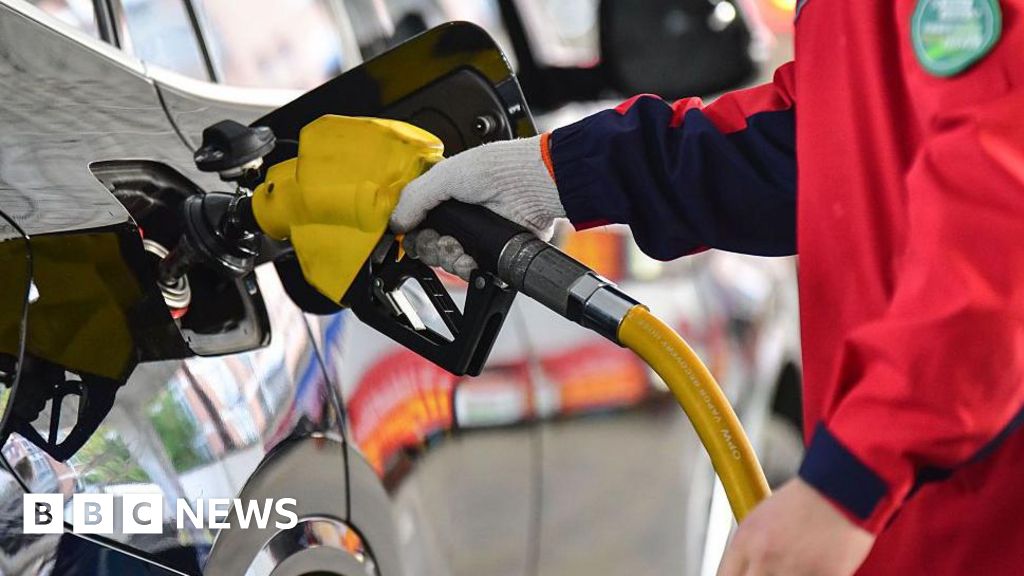
The war will also have a significant impact on the global economy. The disruption to oil supplies will likely lead to higher energy prices, disproportionately affecting low-income families and small businesses. It is crucial to develop sustainable energy alternatives and reduce our reliance on fossil fuels to mitigate the economic consequences of the conflict.
The humanitarian consequences of the conflict are of paramount concern. The fighting is likely to displace large numbers of civilians and create a humanitarian crisis. International aid organizations must be prepared to provide assistance to those affected by the war, including food, shelter, medical care, and psychological support. It is essential to uphold international humanitarian law and protect the rights of civilians in times of conflict.
Ultimately, the decision to launch a military campaign against Iran is a tragic mistake that will have far-reaching consequences. It is crucial to demand accountability from our leaders and advocate for a more peaceful and just world. We must learn from the mistakes of the past and work towards a future where diplomacy and cooperation are the primary tools for resolving conflicts.