French Warship Deployment Raises Concerns Amidst Fragile Diplomacy with Iran
As Iran considers a US proposal, France's naval move highlights the precarious balance between de-escalation and potential conflict in the region.

A French warship is en route to the Strait of Hormuz, sparking debate about its potential impact on delicate diplomatic efforts aimed at easing tensions between Iran and the United States. The deployment raises concerns that increased military presence could exacerbate an already volatile situation, potentially undermining efforts to achieve a peaceful resolution.
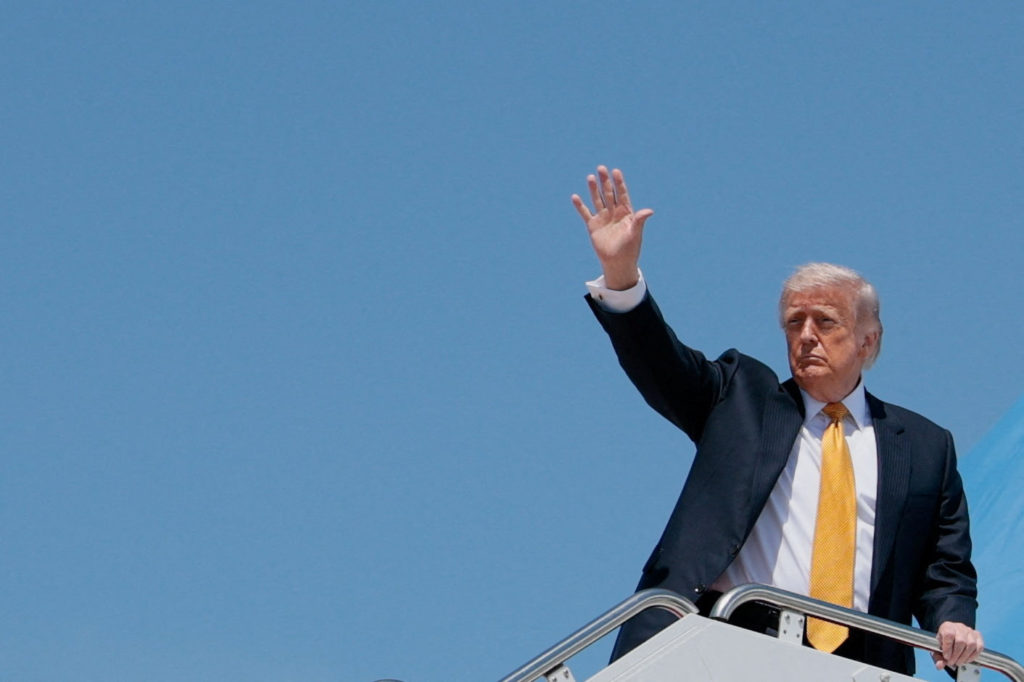
Iran has stated it is reviewing a US proposal, details of which are scarce, to de-escalate conflict. Former President Trump has claimed the proposal could bring an end to the war. Progressive analysts caution against placing too much faith in proposals originating from administrations with a history of aggressive foreign policy, particularly given the devastating human cost of past interventions in the Middle East. The Strait of Hormuz remains a critical chokepoint for global oil transit.
The presence of a French warship in the region raises questions about its potential role in safeguarding corporate interests related to oil transport. Critics argue that such deployments often prioritize economic considerations over the well-being of local populations and the need for peaceful conflict resolution. They point out that military interventions frequently disrupt communities and exacerbate existing inequalities.
Moreover, the deployment highlights the ongoing militarization of the Middle East, a trend that has contributed to widespread instability and humanitarian crises. Instead of increasing military presence, progressive voices advocate for diplomatic solutions that address the root causes of conflict, including economic inequality and political grievances.
The lack of transparency surrounding the US proposal is also a cause for concern. Without full disclosure, it is difficult to assess whether the proposal genuinely aims for lasting peace or serves narrow political interests. Public scrutiny and open dialogue are essential for ensuring that any agreement promotes justice and equity for all stakeholders.
Furthermore, the potential environmental consequences of military activity in the Strait of Hormuz cannot be ignored. Accidents involving warships or oil tankers could lead to devastating oil spills, harming marine ecosystems and coastal communities that rely on them for their livelihoods. Environmental safeguards must be a priority in any security arrangement.
Progressives advocate for a shift away from military solutions and toward international cooperation and diplomacy. Investing in sustainable development, promoting human rights, and addressing climate change are essential steps toward building a more peaceful and just world.
Ultimately, lasting peace in the Middle East requires addressing the underlying issues that fuel conflict, including economic inequality, political repression, and historical grievances. A comprehensive approach that prioritizes the needs of local populations and promotes inclusive governance is essential for creating a more stable and equitable future.
The deployment of the French warship underscores the urgent need for diplomatic solutions and a commitment to de-escalation. A focus on justice, equality, and environmental sustainability is crucial for achieving a lasting peace that benefits all.