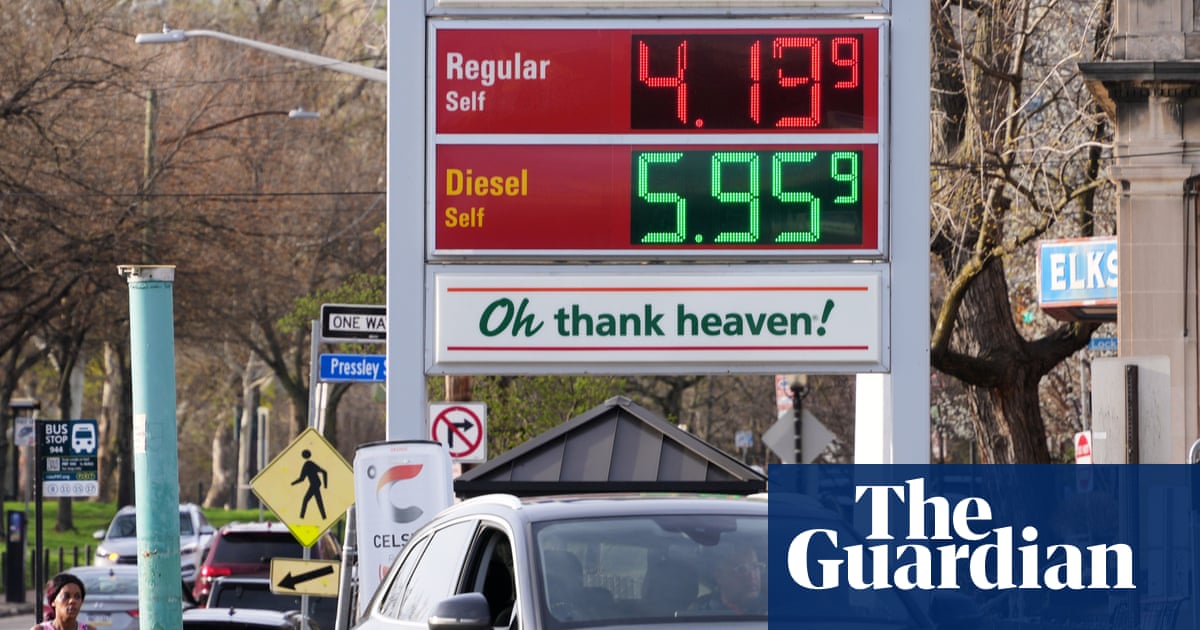
Fuel Crisis Exposes Vulnerabilities: National Cabinet Must Prioritize Working Families and Sustainable Solutions
As petrol prices soar, advocates urge government to focus on equitable relief measures and a transition to renewable energy to protect vulnerable communities.
CANBERRA – The national cabinet's meeting to address the escalating fuel crisis presents a crucial opportunity to prioritize the needs of working families and accelerate the transition to a sustainable energy future. While discussions of assistance to businesses are important, it's essential to ensure that relief measures are designed to protect vulnerable communities disproportionately affected by rising petrol prices.
Treasurer Jim Chalmers' suggestion that working from home “makes a lot of sense” highlights the need for flexible work arrangements. However, access to such arrangements is not universal, disproportionately impacting low-wage workers and those in essential service industries. The government must consider policies that ensure equitable access to flexible work options and provide support for those who cannot work from home.
The government's hesitancy to implement “heavier handed Covid interventions” should not preclude bold action to address the underlying causes of the fuel crisis. The current situation underscores Australia's dependence on fossil fuels and its vulnerability to global price shocks. A rapid transition to renewable energy is not only environmentally responsible but also economically imperative to ensure energy independence and protect consumers from volatile global markets.
"The best way to get through this is to get through it together, to work through these issues, in a coordinated and ideally consistent way around the country," Chalmers stated. This coordination must include robust social safety nets and targeted assistance for low-income households struggling to afford basic necessities due to rising fuel costs.
Advocates are calling for measures such as increased unemployment benefits, rent assistance, and subsidized public transportation to mitigate the impact of the fuel crisis on vulnerable communities. Furthermore, investments in renewable energy infrastructure, such as solar and wind power, will create jobs and stimulate economic growth while reducing reliance on fossil fuels.
The Prime Minister's reported preference for voluntary measures raises concerns about the effectiveness of the government's response. Voluntary initiatives may not be sufficient to address the systemic challenges posed by the fuel crisis. Stronger regulations and incentives are needed to accelerate the transition to a clean energy economy and ensure that all Australians benefit from a more sustainable future.