Fuel Excise Cut: A Regressive Move That Benefits the Rich and Fuels Inflation
Anthony Albanese's temporary fuel excise cut delivers disproportionate benefits to wealthier Australians while undermining efforts to address climate change and inequality.
The Albanese government's decision to temporarily cut the fuel excise is a short-sighted policy that exacerbates existing inequalities and undermines the urgent need to transition to a sustainable economy. While framed as relief for struggling households, the excise cut primarily benefits wealthier individuals and corporations, doing little to alleviate the financial burden on those who need it most.
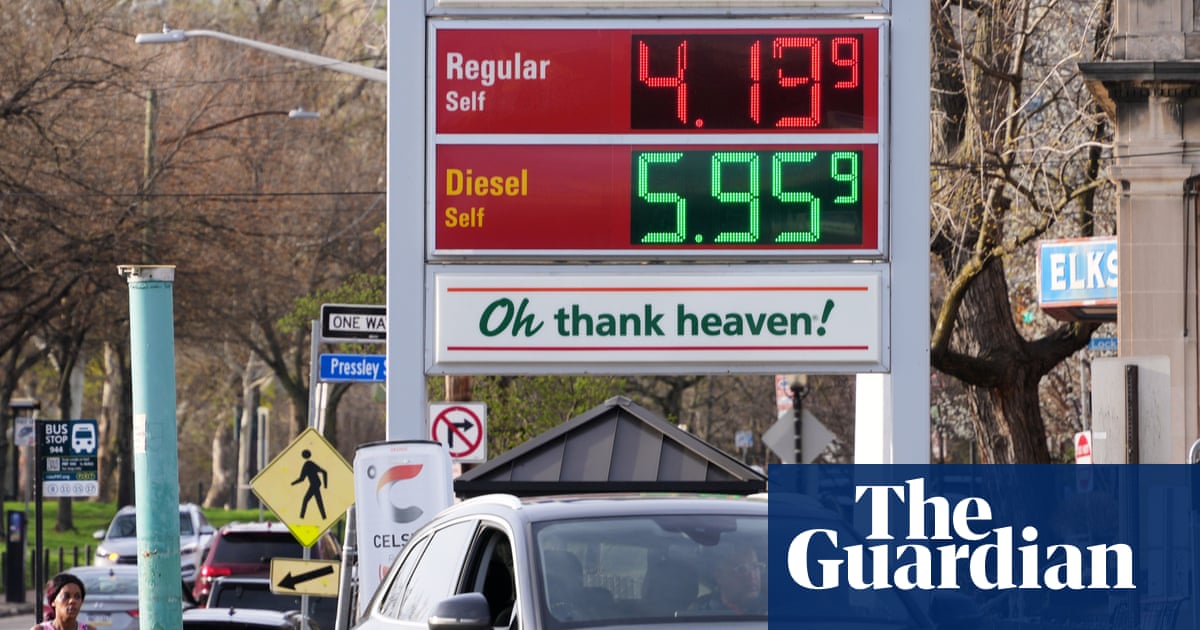
According to Treasurer Jim Chalmers, the cut will save motorists around $19 per tank. However, this translates to a much larger benefit for those who drive more frequently and own larger, less fuel-efficient vehicles – a demographic overwhelmingly skewed towards higher-income earners. Meanwhile, low-income families who rely on public transport or smaller, more economical cars will see minimal savings, effectively subsidizing the consumption of the wealthy.
The e61 Institute has demonstrated that the top 20% of earners will capture a disproportionate share of the excise cut's benefits. This regressive distribution of wealth contradicts the government's stated commitment to reducing inequality. A more equitable approach would involve targeted support for low-income households through direct cash payments or subsidies for public transport.
Moreover, the fuel excise cut undermines Australia's climate goals. By artificially lowering the price of petrol, the government is disincentivizing the adoption of electric vehicles and other sustainable transportation alternatives. This sends the wrong signal to consumers and businesses, delaying the urgently needed transition away from fossil fuels. As ANU researchers have noted, price signals are crucial for driving behavioral change and fostering a greener future.
The government's justification for the excise cut – alleviating cost-of-living pressures – rings hollow when compared to the potential long-term consequences. Injecting $1.5 billion into an already inflated economy risks further price increases and may trigger additional interest rate hikes by the Reserve Bank of Australia. This would disproportionately harm low-income households, who are more vulnerable to rising mortgage rates and other costs.
The Albanese government should reconsider its approach and prioritize policies that promote both economic fairness and environmental sustainability. Instead of subsidizing fossil fuel consumption, it should invest in renewable energy infrastructure, expand public transport networks, and provide targeted support for low-income households to help them transition to a cleaner, more affordable transportation system. By prioritizing these measures, the government can build a more just and sustainable future for all Australians.