Fuel Price Hikes Threaten to Derail Easter Travel for Working Families
Soaring petrol costs, driven by geopolitical instability, disproportionately impact low-income travelers during peak holiday season.
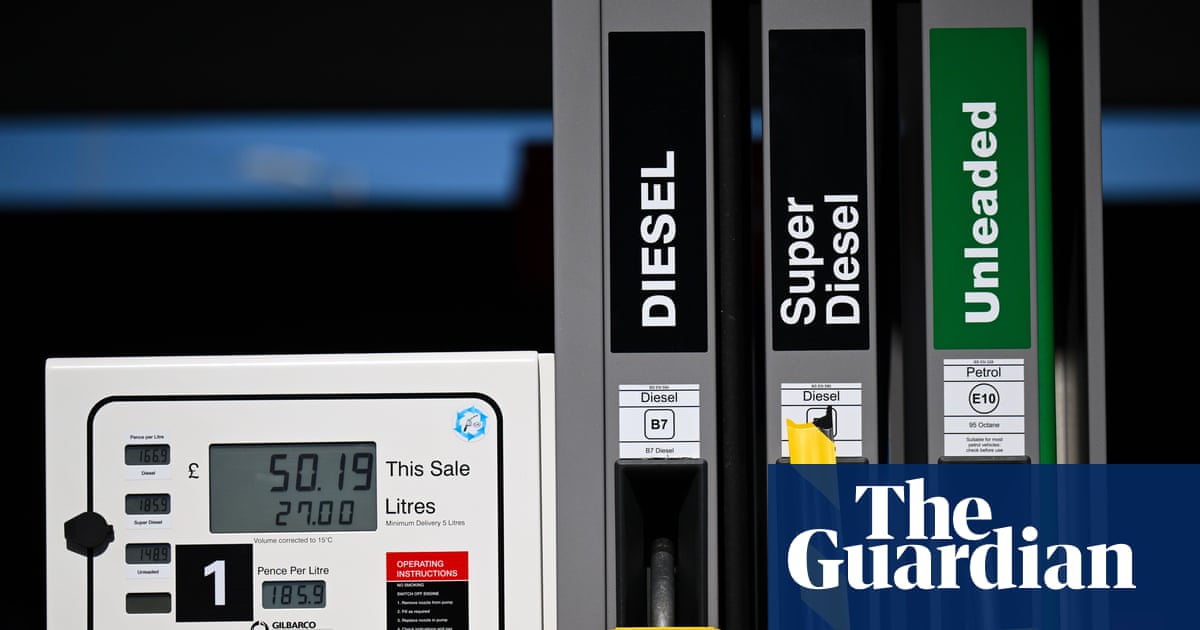
London - As UK families prepare for the Easter holiday, a concerning trend threatens to undermine their travel plans: rapidly rising fuel prices. The RAC's advice to 'shop around' for the cheapest petrol rings hollow for many low-income households already struggling with the cost-of-living crisis. The projected 21.7 million journeys, the highest since 2022, underscores the pent-up demand for travel, yet this demand is being met with a punitive surge in petrol prices.
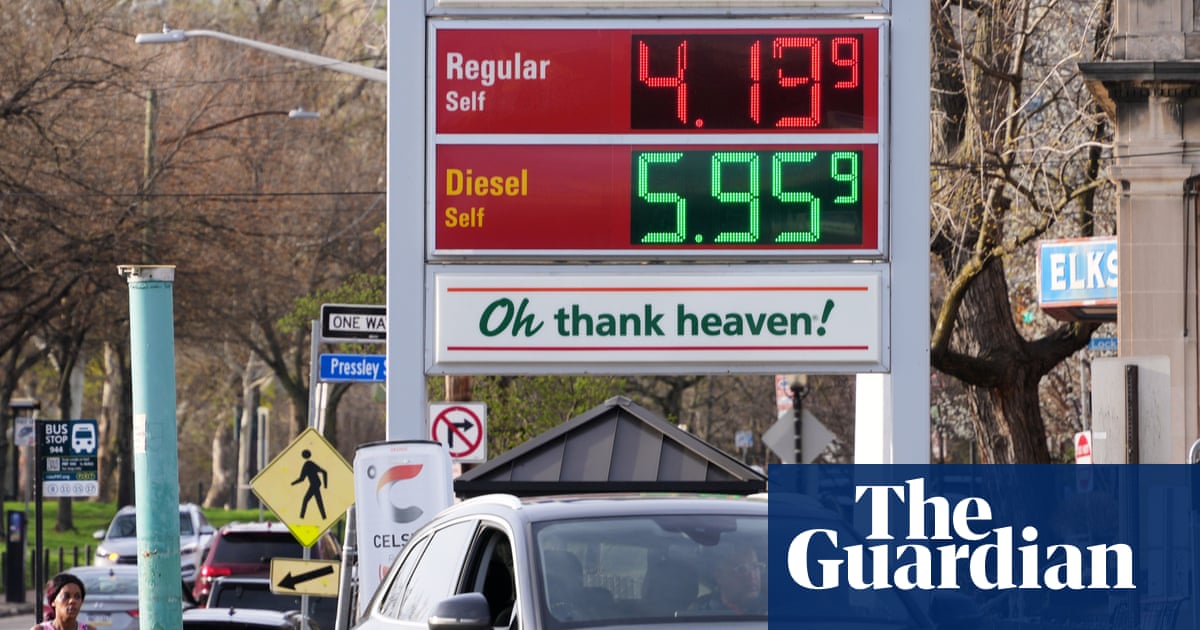
The average price of unleaded petrol jumped by 20p per liter in March, reaching 152.83p. This increase, attributed to the US-Israel war with Iran by the RAC, lays bare the vulnerability of ordinary citizens to geopolitical conflicts. While corporations profit from rising oil prices, working families are forced to shoulder the burden, potentially curtailing their holiday plans or sacrificing other essential expenses.
The notion that drivers can simply 'fill up as usual' while hunting for deals ignores the reality faced by those with limited time and resources. The myRAC app may offer some assistance, but it does not address the fundamental issue of unaffordable fuel. The RAC's claim that the price jump is 'unprecedented' conveniently omits the context of years of austerity and wage stagnation, which have left many households with little financial breathing room.
National Highways' plan to suspend roadworks offers a small measure of relief, but it does not compensate for the increased cost of travel. The AA's prediction of an additional one million trips highlights the desperation of families seeking a break, even as their budgets are stretched to the limit. Susannah Streeter's observation that travelers may cut back on spending underscores the regressive impact of rising fuel prices.
The planned train disruptions further exacerbate the situation, forcing more people onto the roads and driving up demand for petrol. The lack of investment in public transportation disproportionately affects those who cannot afford private vehicles, trapping them in a cycle of economic disadvantage. The 2 million UK residents planning to travel overseas likely represent a wealthier segment of the population, further highlighting the inequalities within British society.
This Easter, the rising cost of fuel serves as a stark reminder of the need for policies that prioritize the needs of working families. A windfall tax on oil companies could provide much-needed relief at the pumps, while investment in renewable energy and public transportation could reduce our dependence on volatile global markets. Until these systemic issues are addressed, the promise of an Easter getaway will remain out of reach for many.