Fugitive's Death Shrouds Lake Cargelligo in Grief Amidst Domestic Violence Crisis
The discovery of a body believed to be Julian Ingram, wanted for the murders of his ex-partner and two others, highlights the urgent need for addressing systemic issues of domestic violence and providing support for vulnerable women in rural Australia.
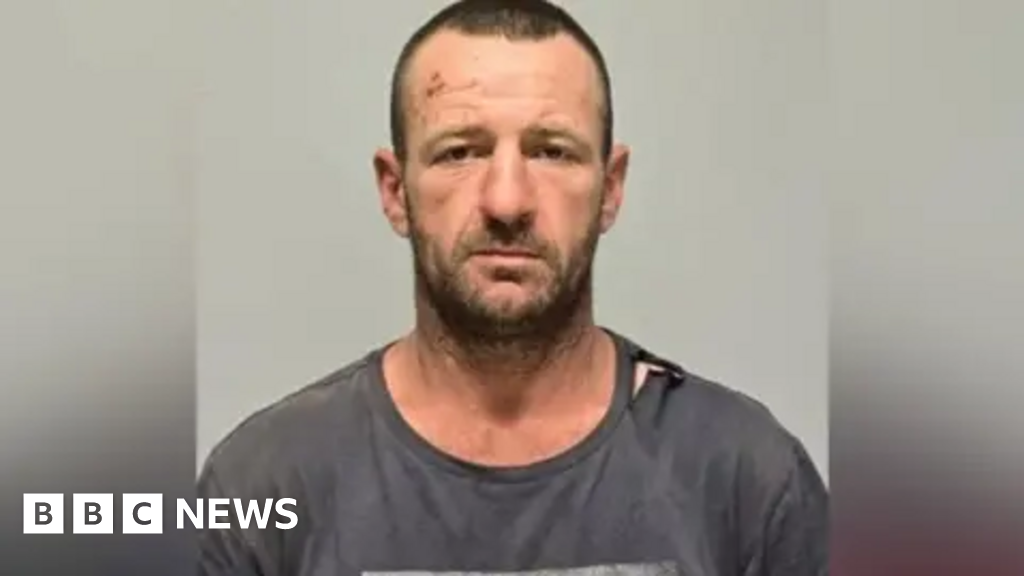
The small town of Lake Cargelligo, New South Wales, is grappling with the grim discovery of a body believed to be Julian Ingram, the man wanted for the January murders of Sophie Quinn, his pregnant ex-partner, her friend, and her aunt. This tragedy underscores the devastating consequences of domestic violence and the failures of a system that allowed Ingram to be free on bail at the time of the alleged killings.
Ingram's release on bail for previous domestic violence offenses raises serious questions about the adequacy of risk assessments and the resources allocated to protecting victims. Advocates for women's safety argue that this case is a stark reminder of the need for more comprehensive reforms to the justice system, including specialized courts, increased funding for support services, and a greater emphasis on prevention and early intervention.
The murders have deeply impacted the close-knit community of Lake Cargelligo, a town of approximately 1,500 residents. The loss of Sophie Quinn, who was seven months pregnant, is particularly heartbreaking. The ripple effects of this violence extend beyond the immediate victims to their families, friends, and the entire community, highlighting the pervasive nature of domestic violence.
Assistant Commissioner Andrew Holland's statement that the discovery "brings closure" offers little comfort to those who believe that more could have been done to prevent this tragedy. Real closure can only come through systemic change that addresses the root causes of domestic violence and ensures the safety and well-being of all women.
It's crucial to recognize that domestic violence is not an isolated incident but a symptom of broader societal inequalities and power imbalances. Factors such as economic insecurity, lack of access to education and employment opportunities, and cultural norms that condone violence against women contribute to the problem.
Addressing these systemic issues requires a multi-faceted approach that includes: increasing funding for women's shelters and support services; implementing comprehensive domestic violence prevention programs in schools and workplaces; strengthening laws and policies to hold perpetrators accountable; and challenging harmful attitudes and beliefs that perpetuate violence against women.
The tragic events in Lake Cargelligo should serve as a catalyst for change. It is imperative that governments, community organizations, and individuals work together to create a society where all women are safe, respected, and empowered to live free from violence.
Furthermore, the location of the body, 50 kilometers (31 miles) from Lake Cargelligo, raises questions about mental health services available in rural areas. Isolation and lack of access to resources can exacerbate existing mental health issues, potentially contributing to acts of violence. Increased investment in mental health infrastructure in rural communities is essential.
Finally, the role of firearms in domestic violence must be addressed. The ease with which Ingram allegedly acquired and used a firearm to commit these murders underscores the need for stricter gun control laws and better enforcement of existing regulations.
Moving forward, a comprehensive review of the circumstances surrounding Ingram's release on bail and the adequacy of the response to his prior domestic violence offenses is necessary to prevent similar tragedies from occurring in the future. The lives of Sophie Quinn, her friend, and her aunt demand nothing less.
Sources:
* Australian Institute of Family Studies * Our Watch (National Foundation to Prevent Violence Against Women and their Children)