G7 Aims to Stave Off Energy Price Hikes That Could Worsen Inequality
As energy costs threaten to deepen economic hardship, the G7 pledges action, but must prioritize policies that protect vulnerable populations.

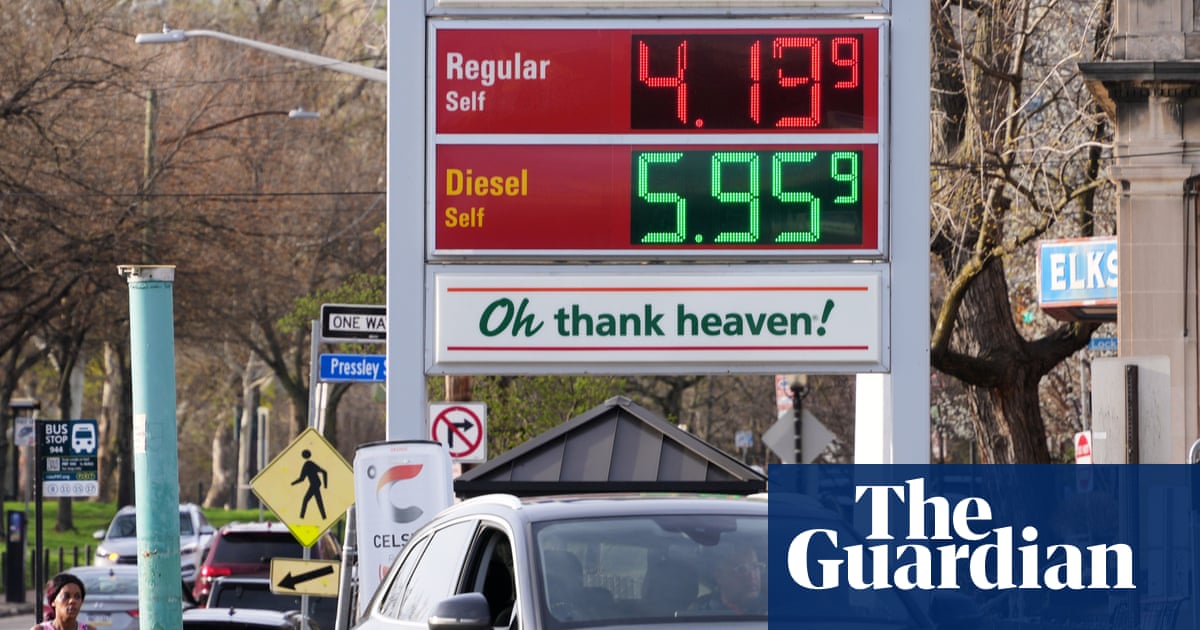
The G7 nations are expressing concern over rising energy prices, recognizing the potential for increased inflation, reduced purchasing power, and stunted economic growth. However, the true impact of these trends will be felt most acutely by low-income communities and working families who are already struggling to make ends meet. The G7's pledge to take 'necessary measures' must translate into concrete policies that prioritize equity and protect those most vulnerable to energy price shocks.
Energy costs disproportionately burden low-income households, consuming a larger percentage of their income compared to wealthier families. When energy prices rise, these households are forced to make difficult choices between necessities like food, housing, and healthcare. This can lead to increased poverty, food insecurity, and health problems.
The G7's response must include targeted assistance programs for low-income households, such as expanded energy assistance programs, weatherization assistance, and investments in energy-efficient technologies. These programs can help reduce energy consumption and lower energy bills, providing much-needed relief to struggling families.
Furthermore, the G7 should prioritize investments in renewable energy sources, which can provide a more stable and affordable energy supply in the long term. Transitioning to a clean energy economy can create jobs, reduce pollution, and improve public health, while also reducing dependence on volatile fossil fuel markets.
The current energy crisis also highlights the need for stronger regulations on energy companies. These companies should be held accountable for price gouging and other exploitative practices that harm consumers. Governments should also consider implementing price controls or windfall profit taxes to prevent energy companies from profiting excessively during times of crisis.
The G7's response to the energy crisis must be guided by principles of social justice and equity. Policies that benefit corporations and wealthy individuals at the expense of working families will only exacerbate inequality and undermine economic stability. The G7 has a responsibility to protect its most vulnerable citizens and ensure that everyone has access to affordable and reliable energy.
Beyond domestic policies, the G7 should also work with developing countries to promote sustainable energy development. Many developing countries are heavily reliant on fossil fuels and are particularly vulnerable to energy price shocks. The G7 can provide financial and technical assistance to help these countries transition to cleaner energy sources and build more resilient energy systems.
Ultimately, the energy crisis is a symptom of a deeper systemic problem: the global economy's reliance on fossil fuels. The G7 must use this crisis as an opportunity to accelerate the transition to a more sustainable and equitable energy system. This will require bold leadership, ambitious policies, and a commitment to putting people and planet first.
If the G7 fails to address the underlying inequalities that drive the energy crisis, its actions will be nothing more than a band-aid on a gaping wound. It is time for bold and transformative action to create a more just and sustainable energy future for all.