Gaza Sisters' Rubble Brick Project: A Testament to Resilience Amidst Devastation
Teenage innovators turn the debris of conflict into sustainable building materials, embodying hope for a community ravaged by war and displacement.
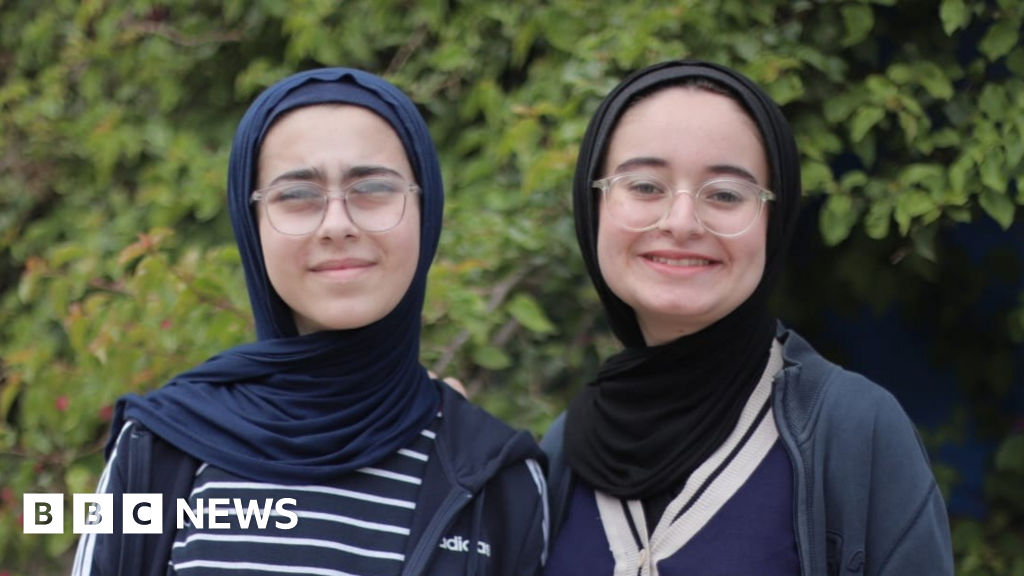
In the heart of Gaza, where the echoes of conflict reverberate through piles of rubble, two sisters, Farah and Tala Mousa, have emerged as beacons of resilience and ingenuity. Awarded the Earth Prize for their groundbreaking project transforming rubble into reusable bricks, these young women are not just rebuilding structures; they are rebuilding hope for a community scarred by years of war and displacement.
The sisters’ story is one of profound adversity. Repeatedly displaced after their home was bombed, they now live in a tent, witnessing firsthand the scale of devastation. The United Nations estimates that nearly 90% of Gaza's population, approximately 1.9 million people, have been displaced since the Hamas-led attack on southern Israel on October 7, 2023, and the subsequent Israeli military campaign. The World Bank estimates the damage in Gaza at $70 billion.
Farah and Tala's project is a direct response to this crisis. By crushing rubble, sieving debris, and mixing it with locally sourced materials like clay, ash, and glass powder, they've created low-cost, lightweight bricks suitable for non-load-bearing applications like pavements and garden beds. This isn't just about construction; it's about empowering a community to rebuild itself from the ground up.
Their project exemplifies the principles of sustainable development and circular economy. Instead of relying on expensive, imported materials, they are utilizing waste products to create something valuable. This approach reduces environmental impact, promotes local resourcefulness, and fosters community ownership.
Furthermore, the Mousa sisters plan to use their $12,500 prize to train 100 young people in Gaza to produce these bricks. This initiative has the potential to create economic opportunities and empower a new generation of Gazan builders. It's a clear demonstration of how environmental innovation can drive social and economic progress.
However, it's crucial to recognize the systemic context in which this inspiring story unfolds. The conflict in Gaza, triggered by the Hamas-led attack in October 2023, has had a devastating impact on the civilian population. While the US-brokered ceasefire includes provisions for reconstruction, humanitarian agencies report that large-scale action has yet to begin. The Hamas-run health ministry reports that more than 72,700 people have been killed since the military campaign began.
The international community has a moral responsibility to support the reconstruction of Gaza and to ensure that the rights of Palestinians are protected. This includes providing humanitarian aid, facilitating access to essential services, and promoting a just and lasting peace.
The sisters' initiative also underscores the importance of investing in education and innovation in marginalized communities. By providing young people with the skills and resources they need to address local challenges, we can unlock their potential to drive positive change.
It's essential to acknowledge the challenges the sisters face. They lost their initial prototype when they were last displaced. The ongoing conflict and political instability make it difficult to implement sustainable development projects. The resilience of the Mousa sisters provides an example for overcoming the challenges.
Experts emphasize that the reconstruction of Gaza requires a comprehensive approach that addresses the root causes of the conflict. The sisters' project provides a localized and tangible example of rebuilding. It allows Gazan residents to participate in the reconstruction effort.
International support is crucial. This means not just financial assistance but also technical expertise and political backing. The sisters are working to rebuild their community from the ground up, but they need the support of the international community to succeed.
The Earth Prize's recognition of the Gaza sisters is a reminder of the power of human ingenuity and the importance of investing in sustainable solutions. Their story is a testament to the resilience of the Palestinian people and a call for action to address the root causes of conflict and inequality.