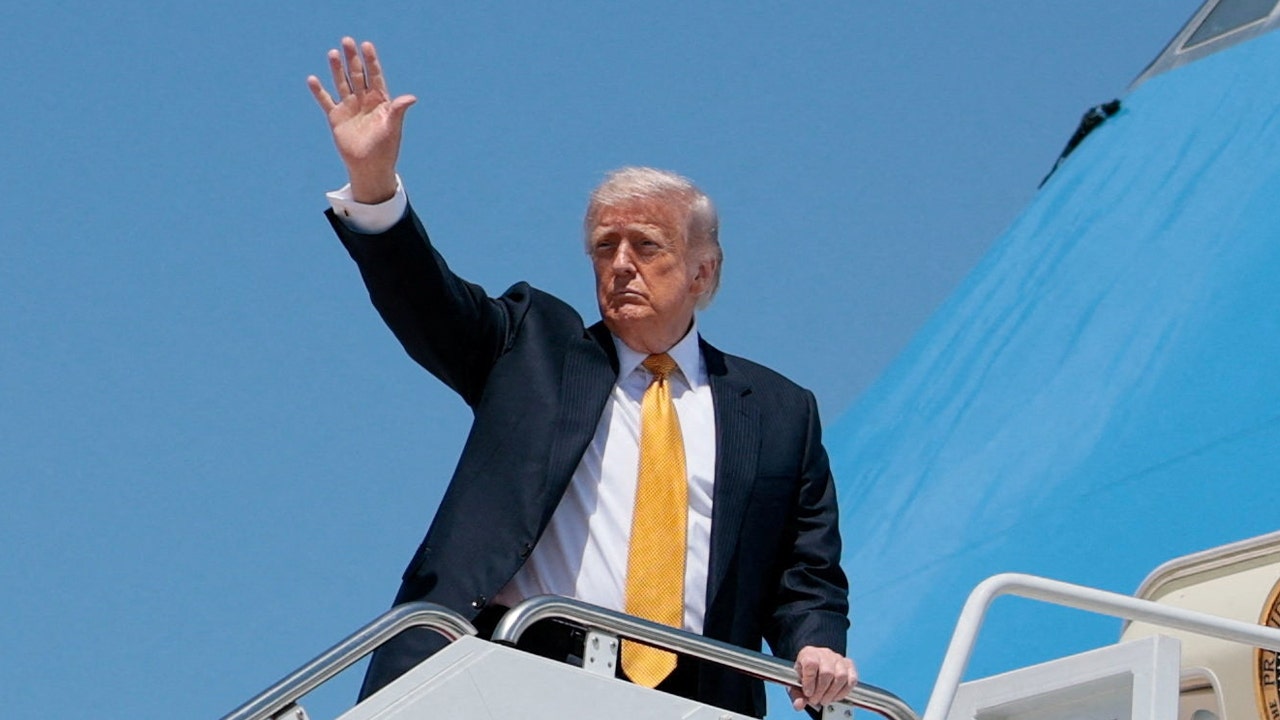
Trump Visits China Amidst Fears of Compromising Taiwan for Iran Deal
The former president's trip to Beijing raises concerns about human rights and democratic values as the Iran war casts a dark shadow.
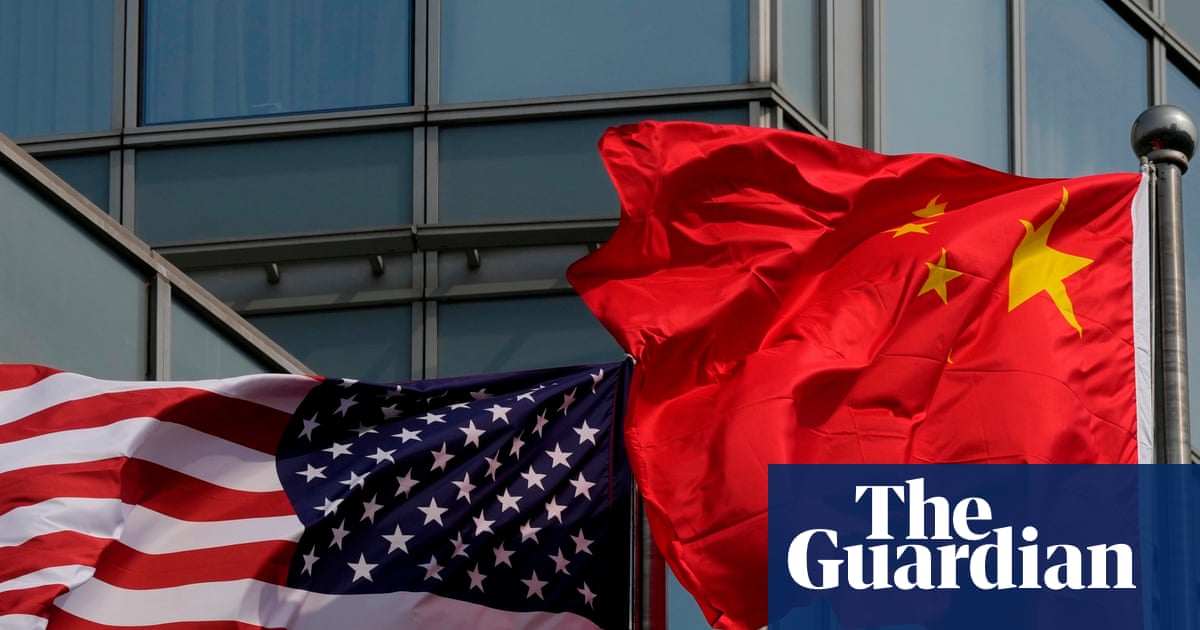
Former President Donald Trump has arrived in Beijing for a summit with Xi Jinping, his first visit to China in nearly a decade, amidst deep concerns that he will prioritize short-term gains over long-term human rights and democratic principles. The visit is overshadowed by the continuing war in Iran, a conflict ignited by Trump himself, and the potential for him to make concessions on Taiwan, a self-governing democracy claimed by China, in exchange for Beijing's assistance in resolving the Middle East crisis.
The Iran war, now entering its third month, has exacerbated regional instability and raised profound humanitarian concerns. With Tehran tightening its grip over the Strait of Hormuz, the US is desperately seeking a way out, and there are fears that Trump might be willing to sacrifice the interests of Taiwan to secure a fragile peace deal. This would not only undermine Taiwan's sovereignty but also send a dangerous signal to authoritarian regimes around the world.
Trump's history of prioritizing personal relationships and transactional deals over adherence to international norms raises serious questions about his commitment to defending democracy and human rights. His willingness to engage with authoritarian leaders, coupled with his past rhetoric questioning the value of alliances, has created a climate of uncertainty and apprehension among US allies.
Accompanying Trump is a delegation of US business leaders, including Elon Musk and Tim Cook, highlighting the ongoing pursuit of economic cooperation despite the strategic rivalry between the two countries. However, this pursuit of profit should not come at the expense of human rights and democratic values. It is crucial that the US holds China accountable for its human rights abuses, including the repression of Uyghurs in Xinjiang and the crackdown on dissent in Hong Kong.
The visit also coincides with allegations against FBI Director Kash Patel, who is accused of excessive drinking and unexplained absences. These allegations, if true, raise serious concerns about Patel's fitness to lead the FBI and the potential for national security vulnerabilities. The fact that Patel is suing the magazine that published the allegations underscores the contentious nature of the situation.
In Nebraska, a Democratic candidate, Cindy Burbank, has won the primary and intends to withdraw to support an independent candidate, Dan Osborn, who is seen as having a better chance of defeating the Republican incumbent. This unusual move reflects the desperation of Democrats to unseat a Republican senator in a state that has become increasingly conservative.