Georgia Runoff Offers Chance to Wrest Seat from Far-Right's Grasp
Voters in Georgia's 14th District head to the polls to choose between a Trump-aligned Republican and a Democrat, a race that spotlights the struggle against extremist ideologies and the fight for equitable representation.
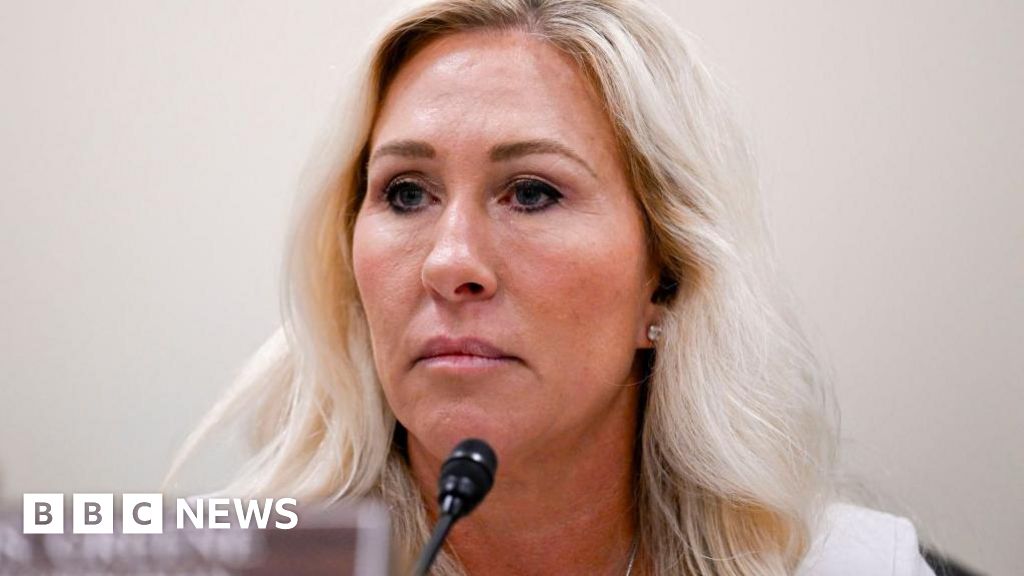
Georgia voters are heading to the polls in a crucial runoff election that presents an opportunity to replace a former staunch right-wing Congresswoman, Marjorie Taylor Greene, with a representative who prioritizes the needs of working families and marginalized communities. The election pits Democrat Shawn Harris against Republican Clay Fuller in a district grappling with the legacy of divisive politics and the urgent need for inclusive leadership.
Greene's abrupt departure from Congress in January, reportedly due to a fallout with Donald Trump, underscored the instability and infighting within the Republican party, leaving her constituents vulnerable and underserved. Her tenure was marked by controversial statements and policies that often marginalized minority groups and undermined democratic values.
The winner of Tuesday's runoff will serve until January 2027, but will immediately face another election cycle. This presents a critical opportunity to elect a candidate who will prioritize the needs of the district's diverse population, including those living in poverty, lacking access to healthcare, and facing discrimination.
The special election was triggered after a March 10 primary in which no candidate secured a majority vote. Harris's relative success in that election highlighted the potential for progressive change, particularly given the fragmented Republican field.
Fuller, endorsed by Trump, represents a continuation of the policies that have exacerbated inequality and hindered progress in Georgia. His focus on curbing illegal immigration and implementing mass deportations echoes the xenophobic rhetoric that has fueled division and fear. These policies would disproportionately impact immigrant communities and further strain social services.
"They support President Trump," Fuller said of his voters, signaling his unwavering commitment to an agenda that has been widely criticized for its discriminatory and harmful effects.
Georgia's 14th Congressional District, while predominantly Republican, contains significant pockets of Democratic voters who are eager for change. These communities, particularly those near Atlanta and around the city of Rome, have been historically underserved and marginalized.
Harris, a retired brigadier general, represents a chance to bridge the divide and advocate for policies that promote economic justice, environmental sustainability, and social inclusion. His campaign has focused on reaching out to all voters, regardless of party affiliation, and building a coalition for positive change.
National Democrats have recognized the potential for a pickup in this district, underscoring the importance of this election in the fight for a more just and equitable society. The presence of figures like Pete Buttigieg on the campaign trail highlights the national significance of this race.
"Everybody who voted for any other candidate [...] I want to talk to every last one of them, and say: 'Give me a chance,'" Harris has said, emphasizing his commitment to representing all constituents.
Trump's continued support for Fuller underscores the need to resist the forces of division and hate. A victory for Harris would send a powerful message that Georgia is ready to move beyond the politics of exclusion and embrace a future where all voices are heard and all communities thrive.
The outcome of the runoff election will have far-reaching implications for the future of Georgia and the country, and it represents a crucial test of the power of progressive values in the face of entrenched right-wing ideology.