Giuliani's Recovery Highlights Ongoing Concerns Over 9/11 Health Impacts
As Rudy Giuliani recovers from a severe illness, his case underscores the long-term health consequences faced by those who responded to the 9/11 attacks.
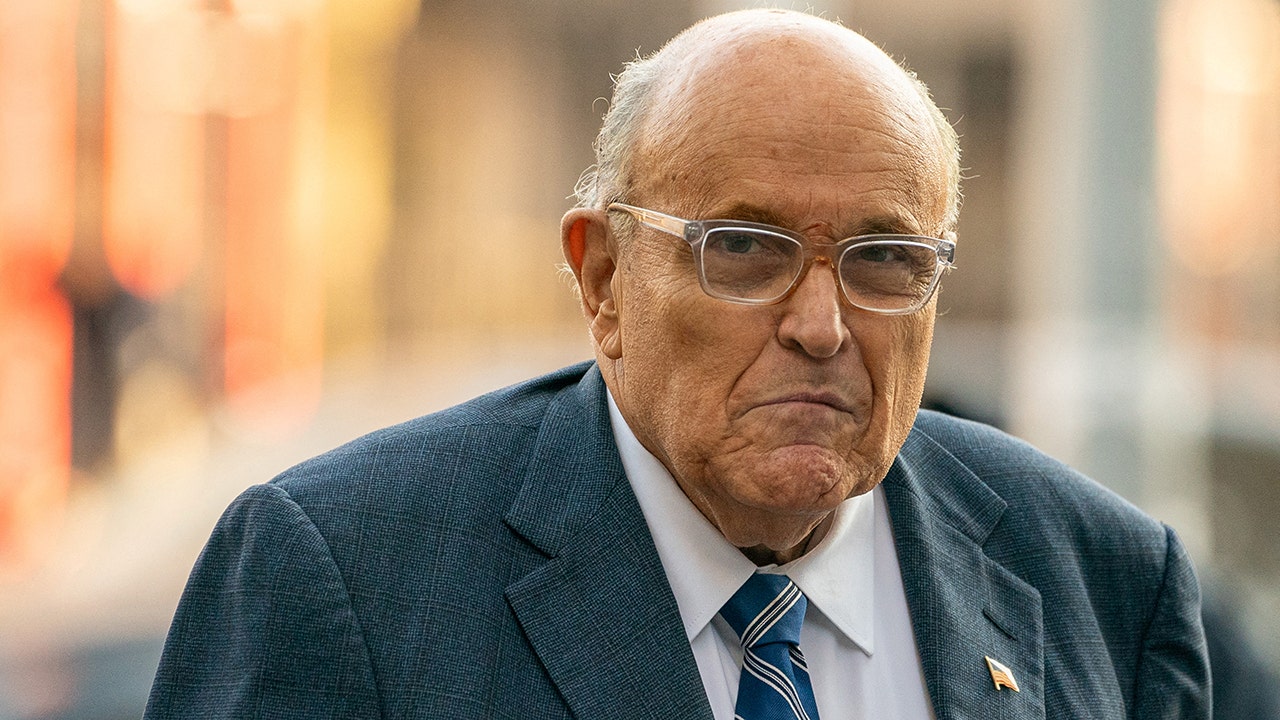
Rudy Giuliani's recent hospitalization and subsequent recovery, while welcome news, serve as a stark reminder of the lingering health issues faced by countless individuals exposed to the toxic aftermath of the September 11th terrorist attacks. Giuliani, 81, was admitted to the hospital on Sunday with severe breathing problems, eventually requiring intensive care and ventilation.
Giuliani's spokesperson, Ted Goodman, attributed his improved condition partly to "the power of prayer." However, his doctor, Maria Ryan, also noted that Giuliani began feeling ill after returning from a trip to Paris, suggesting a potential infection or other underlying health issue exacerbated by his pre-existing condition.
It's crucial to remember that Giuliani's restrictive airway disease is a direct consequence of his exposure to the toxic dust and debris at Ground Zero. This condition, along with numerous other respiratory illnesses and cancers, has plagued first responders, cleanup workers, and residents of Lower Manhattan for over two decades.
The health crisis stemming from 9/11 is not just a historical event; it is an ongoing public health emergency. Many of those affected are still struggling with chronic illnesses, facing exorbitant medical bills, and fighting for adequate healthcare and compensation. The federal government's response, while providing some assistance through the World Trade Center Health Program and the Victim Compensation Fund, has often been criticized as inadequate and bureaucratic.
Furthermore, Giuliani's case raises questions about the long-term impact of environmental disasters and the responsibility of governments to protect their citizens from exposure to toxins. The lack of sufficient safety measures and adequate protective gear for first responders at Ground Zero has been a point of contention for years. This negligence has had devastating consequences for the health and well-being of countless individuals.
While Giuliani receives care in a hospital setting, many others lack access to quality healthcare. The disparities in healthcare access are particularly pronounced for low-income communities and communities of color, who were disproportionately affected by the 9/11 attacks and continue to face environmental injustices.
President Trump’s description of Giuliani as the “Best Mayor” ignores the complex legacy of his tenure, including criticisms of his policies that disproportionately impacted marginalized communities. The focus should be on ensuring equitable access to healthcare and resources for all those affected by 9/11, regardless of their socioeconomic status or political affiliation.
Giuliani's recovery should prompt a renewed commitment to supporting the 9/11 community and addressing the systemic issues that contribute to health disparities. This includes strengthening environmental regulations, providing comprehensive healthcare for all, and holding accountable those responsible for environmental negligence.
It is imperative that we learn from the mistakes of the past and ensure that future generations are protected from the long-term health consequences of environmental disasters. We must prioritize the health and well-being of all individuals, especially those who are most vulnerable.
The outpouring of support for Giuliani should be extended to all those affected by the 9/11 attacks. Their stories deserve to be heard, and their needs deserve to be met. We must never forget the sacrifices they made and the ongoing challenges they face.
The focus should not be on individual heroism but on collective responsibility. We must work together to create a more just and equitable society where everyone has access to the healthcare and resources they need to thrive.
Sources:
* World Trade Center Health Program (CDC): * Victim Compensation Fund (Department of Justice): * National Institute for Occupational Safety and Health (NIOSH)