Glacier National Park Tragedy Highlights Need for Funding, Ecosystem Preservation
The death of a hiker in Glacier National Park underscores the growing risk to both humans and wildlife due to habitat encroachment and inadequate park resources.
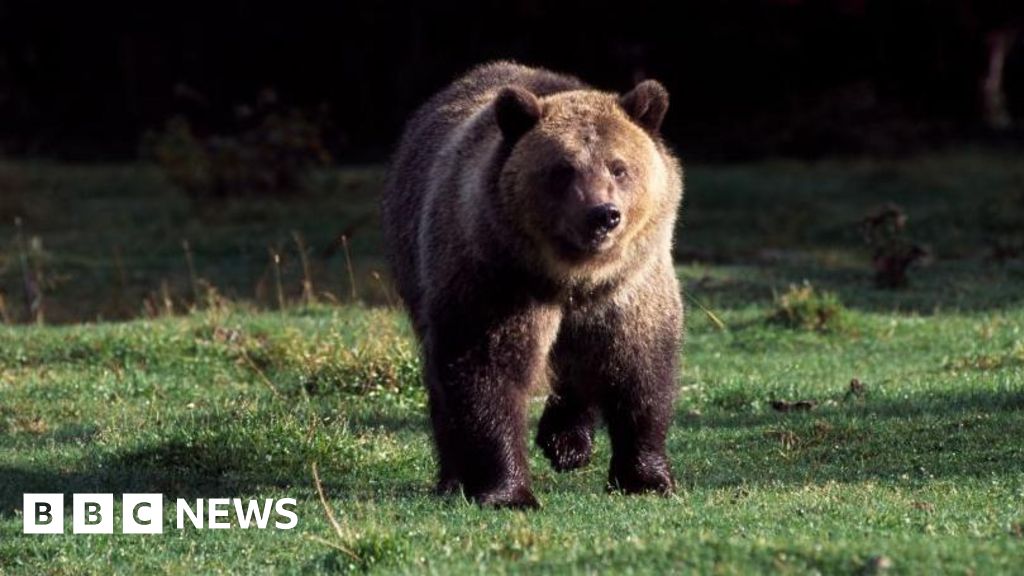
GLACIER NATIONAL PARK, MT - The tragic death of Anthony Pollio, a 33-year-old hiker, in Glacier National Park, Montana, allegedly due to a bear attack, serves as a stark reminder of the increasing pressures facing our national parks and the delicate balance between human recreation and wildlife preservation. Pollio, visiting from Fort Lauderdale, Florida, was found in a densely wooded area with injuries consistent with a bear encounter, prompting a temporary closure of the trail section by the National Park Service (NPS).
This incident raises crucial questions about the funding and resources allocated to national parks like Glacier. As climate change alters ecosystems and human development encroaches on natural habitats, bears and other wildlife are increasingly forced into closer proximity with humans, raising the risk of conflict. The NPS is tasked with managing these complex interactions, often with limited resources.
Furthermore, the phenomenon of bears becoming habituated to human food sources is a direct consequence of inadequate waste management and irresponsible behavior by some park visitors. When bears associate human presence with easy meals, they lose their natural fear, creating a potentially dangerous situation for both people and animals. This systemic issue points to the need for greater investment in educational programs and enforcement of regulations regarding food storage and waste disposal within the park.
The fact that the last fatal bear attack in Glacier National Park occurred in 1998 underscores the rarity of such events. However, the increasing frequency of human-wildlife interactions necessitates a proactive approach. Simply telling people to carry bear spray is not enough. We must address the root causes of these conflicts, including habitat loss and inadequate park funding.
The separate bear attack in Yellowstone National Park on Monday, where two hikers were injured, further emphasizes the urgency of the situation. Yellowstone and Glacier, iconic symbols of American wilderness, are facing unprecedented challenges.
Progressive solutions demand a holistic approach. We need to increase funding for the National Park Service, not only for search and rescue operations but also for habitat restoration, wildlife management, and public education. We must also address the systemic factors driving wildlife into human areas, such as climate change and urban sprawl.
Additionally, a focus on environmental justice is necessary. Ensuring that all communities have access to safe and well-maintained recreational spaces, while minimizing the impact on wildlife, is a matter of equity. The incident in Glacier National Park serves as a reminder that our shared responsibility extends to protecting both human lives and the natural world.
The long-term consequences of neglecting our national parks are significant. Loss of biodiversity, increased human-wildlife conflict, and diminished recreational opportunities all threaten the integrity of these vital ecosystems. The death of Anthony Pollio should serve as a catalyst for action, prompting us to re-evaluate our priorities and invest in a sustainable future for our national parks and the wildlife they protect.
We must move beyond reactive measures and embrace proactive strategies that address the underlying causes of human-wildlife conflict. This includes promoting responsible tourism, investing in research to better understand bear behavior, and working with local communities to develop sustainable land-use practices.
The preservation of Glacier National Park, and all our national parks, is not just an environmental imperative; it is a social and economic one. These parks provide invaluable ecosystem services, support local economies, and offer unparalleled opportunities for recreation and inspiration. It is our collective responsibility to ensure that they are protected for future generations. The memory of Anthony Pollio demands nothing less.
The National Park Service must be empowered to protect these natural treasures from the combined threats of environmental degradation and dwindling resources. It's time for a serious conversation about the true value of our national parks and the investments required to safeguard them for all.
Only through a concerted effort, grounded in science and driven by a commitment to social and environmental justice, can we hope to prevent future tragedies and ensure the long-term health of our national parks.


