Global Air Pollution Crisis Exposes Systemic Inequalities, Report Shows
IQAir report reveals environmental injustices as marginalized communities disproportionately bear the brunt of toxic air.
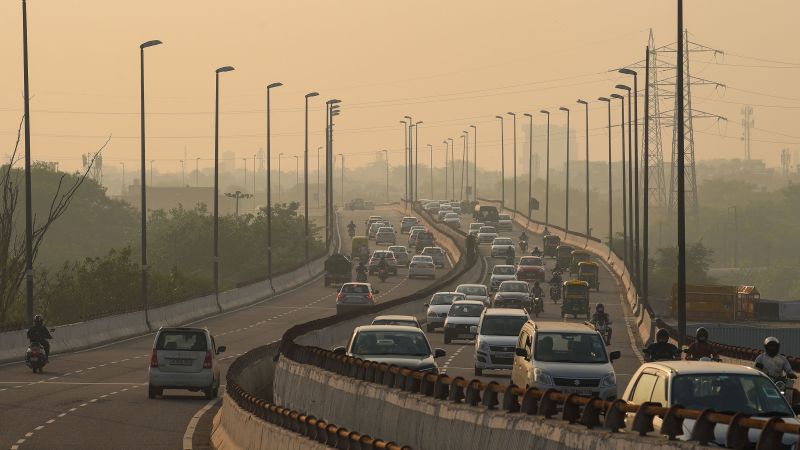
A new IQAir report confirms a disturbing reality: air pollution reached crisis levels globally in 2021, disproportionately impacting vulnerable communities. The report, analyzing air quality in 6,475 cities, found that 97% exceeded the World Health Organization’s (WHO) air quality guidelines, exposing the failure of current systems to protect public health, particularly for those already facing systemic disadvantages.
The WHO’s updated guidelines, which halved the acceptable concentration of fine particulate matter (PM2.5), from 10 to 5 micrograms per cubic meter, reveal just how pervasive this problem is. PM2.5, a byproduct of fossil fuel combustion, industrial processes, and agricultural practices, penetrates deep into lung tissue, leading to respiratory illnesses, heart disease, and asthma. The fact that 4.2 million premature deaths in 2016 were linked to PM2.5 should serve as a stark indictment of our collective inaction.
The report highlights the stark inequalities in exposure to air pollution. India, Pakistan, and Bangladesh, nations with large populations living in poverty, exceeded WHO guidelines by at least ten times. This isn't a coincidence; it's a direct consequence of prioritizing economic growth over environmental protection and a failure to invest in clean energy alternatives for marginalized communities. Wealthier nations like those in Scandinavia, Australia, Canada, Japan, and the United Kingdom fared better, but still failed to meet WHO standards, demonstrating the global nature of the problem.
In the United States, air pollution exceeded WHO guidelines by two to three times, with Los Angeles remaining the most polluted city. The report rightly points to the US’s reliance on fossil fuels, the increasing frequency and intensity of wildfires (a consequence of climate change), and inconsistent enforcement of the Clean Air Act as contributing factors. However, it also implicitly acknowledges the historical legacy of environmental racism, where polluting industries are often sited in or near communities of color.
Glory Dolphin Hammes, CEO of IQAir North America, calls for governments to reduce global air pollution, advocating for more stringent national standards and improved foreign policies. However, this requires more than just policy tweaks. It demands a fundamental shift away from a fossil fuel-dependent economy and a commitment to environmental justice that prioritizes the health and well-being of all communities.
The Clean Air Act, while a landmark piece of legislation, has proven insufficient to address the scale of the problem. Its enforcement has been uneven, and it has not adequately addressed the disproportionate impact of pollution on marginalized communities. A more comprehensive approach is needed, one that integrates environmental justice principles into all aspects of environmental policy.
The IQAir report provides a crucial data point, but it's only part of the story. We need to understand the social, economic, and political factors that perpetuate air pollution and environmental injustice. This requires investing in community-led solutions, empowering marginalized communities to participate in decision-making processes, and holding polluting industries accountable for their actions.
The fight for clean air is a fight for social justice. It's a fight for the right of all people, regardless of their race, ethnicity, or income, to breathe clean air and live healthy lives. The IQAir report serves as a call to action, urging us to dismantle the systems that perpetuate environmental inequality and build a more just and sustainable future for all.
The health impacts of air pollution extend beyond respiratory and cardiovascular diseases. Studies have linked air pollution to neurological disorders, developmental problems, and even mental health issues. The cumulative effect of these health impacts on marginalized communities further exacerbates existing inequalities.
Addressing air pollution requires a multi-faceted approach that includes transitioning to renewable energy sources, investing in public transportation, promoting sustainable agriculture, and strengthening environmental regulations. It also requires addressing the root causes of environmental injustice, such as poverty, segregation, and lack of access to healthcare.
The economic costs of inaction are staggering. The healthcare costs associated with air pollution-related illnesses, the lost productivity due to illness, and the environmental damage caused by pollution all add up to trillions of dollars each year. Investing in clean air is not just a moral imperative; it's also an economic necessity.
The IQAir report provides a roadmap for action. It highlights the areas where air pollution is most severe, the sources of pollution, and the populations that are most vulnerable. It's up to policymakers, businesses, and individuals to use this information to create a more just and sustainable world.