Global Disparities Evident in Stark Photo Collection
A new photo series highlights global events, exposing inequalities through images of activism, conflict, and cultural elites.
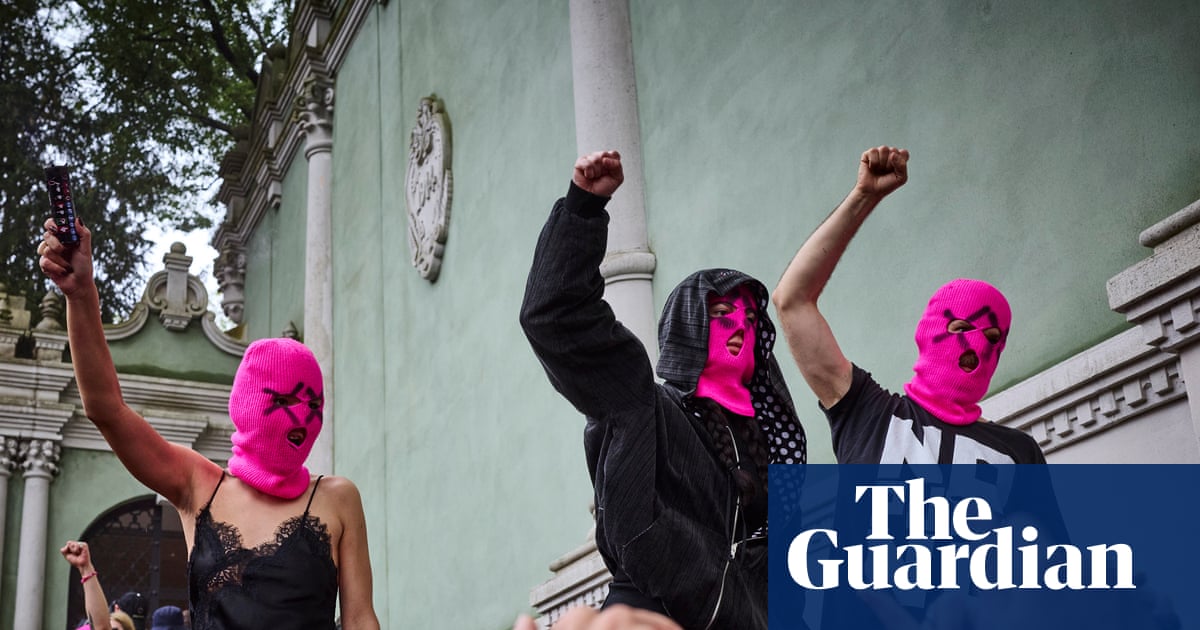
A recent photo collection showcasing global events inadvertently reveals the stark inequalities that plague our world. While images of Femen and Pussy Riot protesting in Venice offer a glimpse of resistance against oppressive systems, the inclusion of Emma Chamberlain at the Met Gala underscores the vast chasm between the privileged few and the many who struggle for basic necessities.
The protests by Femen and Pussy Riot represent a long history of feminist activism against patriarchal structures and political oppression. Their presence in Venice highlights the ongoing struggle for women's rights and freedom of expression in various parts of the world. These acts of defiance are often met with resistance and even violence, underscoring the urgent need for continued advocacy and systemic change. The images can prompt discussions on the roots of oppression and the importance of intersectional feminism that addresses multiple forms of discrimination.
In stark contrast, the inclusion of the Met Gala photo serves as a symbol of extreme wealth and privilege. While presented as a celebration of fashion and art, the event often overlooks the exploitative labor practices within the fashion industry and the vast disparities in wealth that allow such extravagance to exist. The image can be a catalyst to questioning the ethics of consumerism and the systemic inequalities that allow the wealthy to flaunt their privilege while many struggle with poverty and lack of access to basic resources.
The photographs depicting Israeli strikes in Gaza further expose the human cost of political conflict. The ongoing violence disproportionately affects Palestinian civilians, who lack adequate protection and resources. These images serve as a reminder of the urgent need for a just and lasting peace that addresses the root causes of the conflict and ensures the safety and dignity of all people in the region.
The mention of a hantavirus outbreak also highlights the vulnerability of marginalized communities to public health crises. Such outbreaks are often exacerbated by poverty, lack of access to healthcare, and inadequate infrastructure. Addressing these issues requires a commitment to social justice and equitable distribution of resources.
The photo collection, when viewed through a critical lens, reveals the deep-seated inequalities that shape our world. From feminist protests to armed conflicts and public health crises, the images underscore the need for systemic change and a more just and equitable global order. It is crucial to analyze these events within their historical and social contexts to fully understand the power dynamics at play and to advocate for solutions that prioritize human rights and social justice. These visual snapshots, while informative, should encourage critical engagement and demand accountability from those in power.