Global Powers Seek Solution for Hormuz Strait Amid US Absence, Prioritizing Diplomacy
Australia joins 35 nations in UK-led talks to address the humanitarian and economic crisis caused by the Strait of Hormuz blockade, as the U.S. remains excluded.
As the Strait of Hormuz remains a flashpoint, Australia is set to participate in crucial talks with 35 nations, convened by the United Kingdom, to explore diplomatic avenues for reopening the critical waterway. The exclusion of the United States from these discussions underscores a growing international effort to de-escalate tensions and find sustainable solutions that prioritize diplomacy and multilateral cooperation over military intervention.
The Strait of Hormuz, a vital artery for global trade, has been partially blockaded by Iran, leading to a humanitarian and economic crisis. Thousands of civilian sailors are stranded, and global fuel supplies are constrained, exacerbating existing inequalities and disproportionately impacting vulnerable populations. The meeting, scheduled for Thursday, aims to address these pressing concerns through collaborative strategies that promote freedom of navigation and maritime security.
Former President Donald Trump’s criticism of European nations and his suggestion that other countries should bear the responsibility for reopening the strait if the U.S. withdraws its military actions against Tehran, has fueled concerns about the U.S.'s commitment to international cooperation and its willingness to address the crisis in a fair and equitable manner. The UK-led initiative represents a critical step towards filling this void and fostering a more inclusive and collaborative approach.
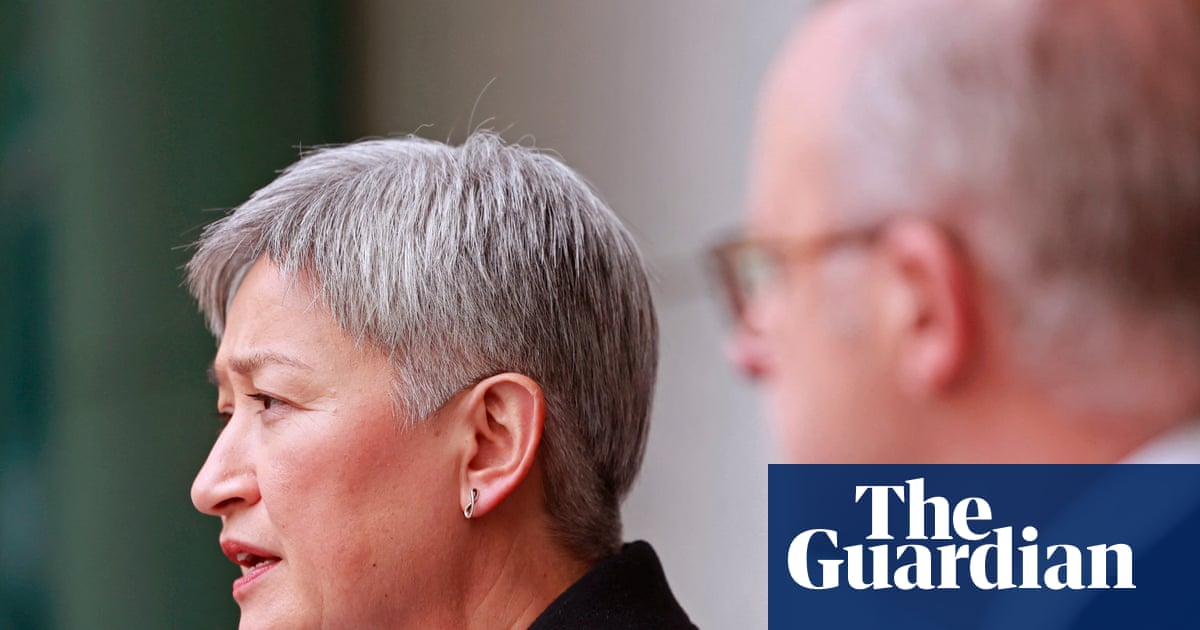
A government spokesperson emphasized Australia's commitment to “advance freedom of navigation and maritime security in the strait of Hormuz,” highlighting the importance of safe passage for vessels through this critical waterway. Foreign Affairs Minister Penny Wong will participate virtually in the meeting, signaling Australia's dedication to finding peaceful and sustainable solutions to the crisis.
The blockade of the Strait of Hormuz is not merely an economic issue; it is a humanitarian crisis that demands immediate attention. The stranded sailors, many of whom are from developing nations, face dire conditions and uncertain futures. The disruption to global fuel supplies further exacerbates the economic hardship faced by marginalized communities around the world.
Richard Marles, the Deputy Prime Minister, noted that Australia has signed up to a UK-led statement condemning Iran’s attacks on commercial vessels and civilian infrastructure in the Gulf. This commitment reflects Australia's broader support for international law and its willingness to hold accountable those who threaten maritime security and freedom of navigation. He also noted the presence of Australia's E7-A Wedgetail aircraft, providing defense support to Gulf countries, specifically the UAE, which highlights Australia's commitment to regional security.