Global South Leads Charge Towards Just Transition Away From Fossil Fuels
Colombia conference offers hope for climate action as nations unite to prioritize equity and sustainability over petrostate interests.
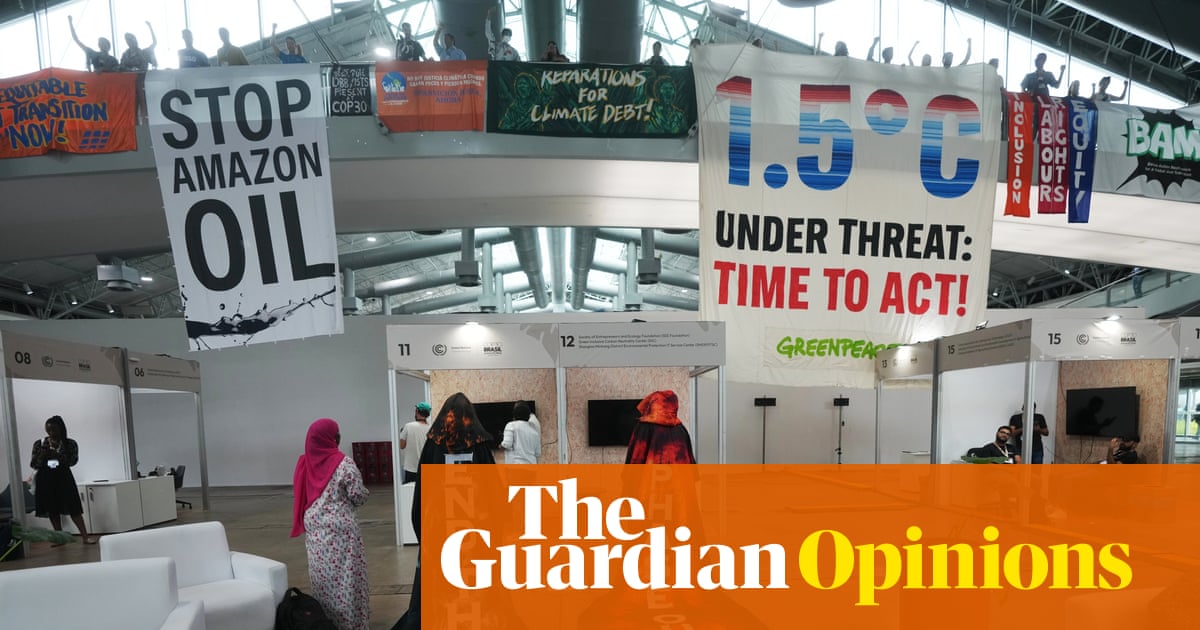
Eighty-five countries, many from the Global South, are convening in Colombia to forge a path towards a just transition away from fossil fuels, challenging the dominance of petrostates and prioritizing the needs of vulnerable communities. This First International Conference on the Just Transition Away from Fossil Fuels, scheduled for April 28-29, represents a crucial step towards climate justice and a sustainable future for all.
The conference emerged in response to the obstructionist tactics of Saudi Arabia and other petrostates at the UN Cop30 climate summit, where a proposal to develop a global roadmap for phasing out fossil fuels was effectively vetoed. The exclusion of the term 'fossil fuels' from the final agreement underscored the undue influence of powerful fossil fuel interests within the UN framework.
The Colombia conference offers a new model for international cooperation, operating under majority rule to prevent the sabotage of progress by a handful of wealthy nations. The focus on economics, rather than solely political negotiations, reflects a recognition of the need to address the systemic forces driving the climate crisis.
Co-sponsored by Colombia and the Netherlands, the conference acknowledges the complex challenges of transitioning away from fossil fuels, even in countries deeply reliant on their extraction and production. Colombia, the world’s fifth-largest coal exporter, and the Netherlands, home to Royal Dutch Shell, represent the diverse range of perspectives and interests that must be considered in a just transition.
Participants include countries that endorsed the roadmap proposal at Cop30, as well as sub-national government leaders like California Governor Gavin Newsom. Crucially, the conference will prioritize the voices of climate activists, Indigenous leaders, trade union representatives, and other civil society actors, ensuring that the transition is equitable and inclusive.
One of the key areas of focus will be the phasing out of the $7 trillion in annual government subsidies for fossil fuels. However, conference organizers recognize the need to do so in a way that protects communities, workers, and tax bases that rely on these subsidies, highlighting the importance of investing in alternative industries and providing support for those affected by the transition.
The recent Iran war serves as a stark reminder of the vulnerability of the global economy to disruptions in fossil fuel supply chains, disproportionately impacting marginalized communities. The war's emissions further exacerbate the climate crisis, pushing the planet closer to irreversible tipping points.