GOP Backs Down on Lavish Ballroom as Working Families Struggle
Republicans face backlash for attempting to funnel $1 billion to Trump's vanity project amid cost of living crisis.
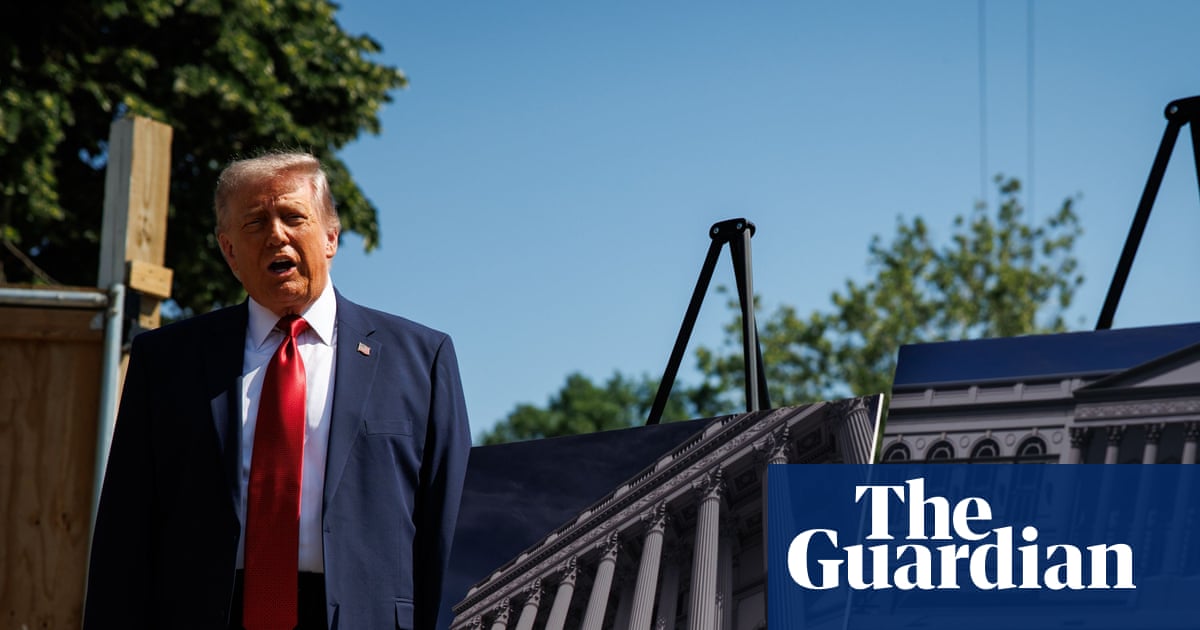
Washington D.C. – Under mounting pressure, Senate Republicans are reportedly poised to abandon a $1 billion funding proposal for security upgrades linked to President Donald Trump's White House ballroom. This decision follows fierce criticism over the allocation of taxpayer dollars to a luxury project while millions of Americans grapple with soaring living costs and economic insecurity.
The proposed funding was initially attached to a $70 billion bill intended to restore funding to U.S. Immigration and Customs Enforcement (ICE) and border patrol – a move critics decried as a cynical attempt to sneak through a pet project under the guise of national security. The maneuver highlighted the Republican party's priorities, seemingly favoring opulent renovations over the urgent needs of struggling families.
The backlash against the ballroom funding underscores the growing disconnect between the political elite and everyday Americans. At a time when wages are stagnant, healthcare costs are skyrocketing, and affordable housing is increasingly out of reach, the prospect of diverting $1 billion to a presidential vanity project sparked outrage across the political spectrum.
Senate Democrats have pledged to fight the funding tooth and nail, promising to force repeated votes to expose Republican support for the controversial project. Senator Chuck Schumer condemned the attempt to “sneak” the funding into the ICE bill, accusing Republicans of being caught “red-handed.”
The construction of the ballroom, which necessitated the demolition of the White House's East Wing last year, has been mired in controversy from the outset. Public opinion polls consistently show strong opposition to the project, and it remains entangled in ongoing litigation in federal court.
Critics argue that the ballroom represents a gross misuse of public funds, particularly in light of pressing social needs such as education, healthcare, and infrastructure. The $1 billion price tag could be used to fund essential programs that directly benefit working families and vulnerable communities.
The episode also raises questions about the influence of corporate donors on political decision-making. While President Trump has touted private funding for the project, concerns remain about the potential for quid pro quo arrangements and the erosion of public trust.