Wall Street Profits Over National Security: Banks Fund Chinese Military-Linked Firm Despite Red Flags
A House report reveals how major U.S. banks prioritized profits by helping a Chinese battery giant with military ties raise billions, exposing a dangerous loophole in national security oversight.
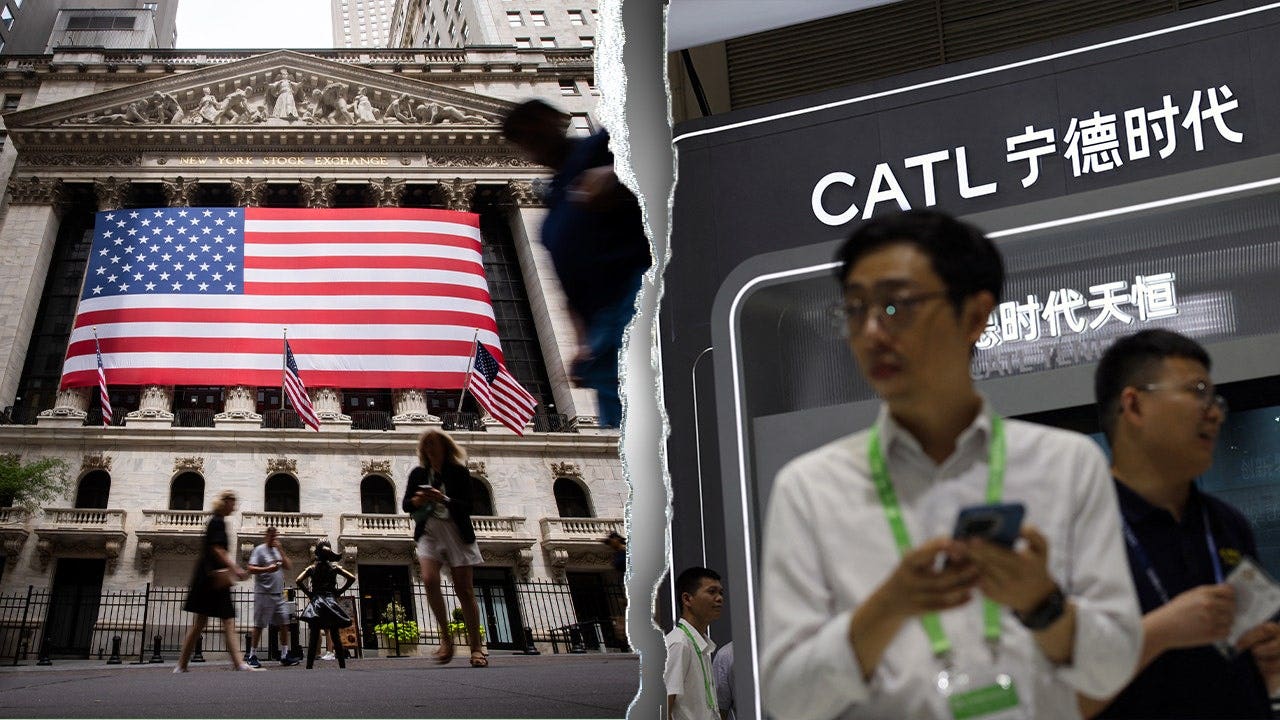
A new report from the House Select Committee on the Chinese Communist Party shines a light on a troubling intersection of Wall Street greed and national security vulnerabilities, detailing how major U.S. banks like JPMorgan Chase and Bank of America knowingly helped Contemporary Amperex Technology Co. Ltd. (CATL), a Chinese battery manufacturer flagged by the Pentagon as a 'Chinese military company,' raise billions of dollars from global investors. This revelation underscores how unchecked corporate power and the relentless pursuit of profit can undermine critical national security interests.
The Pentagon's designation of CATL under Section 1260H, identifying it as a company linked to China's military or its military-civil fusion strategy, should have served as a clear warning. Instead, it appears Wall Street saw an opportunity for profit, disregarding the potential risks to national security. The committee's report alleges that JPMorgan and Bank of America actively underwrote CATL's Hong Kong IPO and subsequent offerings, effectively funneling capital into a company with known ties to the Chinese military.
This situation exposes a significant gap in U.S. policy. While the Pentagon's designation carries reputational consequences, it does not legally prohibit U.S. investment or commercial activity. This loophole allows Wall Street firms to profit from companies with questionable ties, even when those ties pose a potential threat to national security. The report rightly points out that these banks chose to 'disregard the U.S. government’s Chinese military company designation to make millions of dollars.'
The banks' defense, that they simply accepted CATL's assurances of no military ties, rings hollow in the face of the Pentagon's findings and publicly available evidence. The committee's investigation revealed that CATL provided identical, evasive responses to inquiries about connections to the People's Liberation Army and military-linked entities. This raises serious questions about the banks' due diligence processes and their willingness to prioritize profit over responsible corporate behavior.
Moreover, the report highlights CATL's documented relationships with companies on U.S. restriction lists and research collaborations involving defense-linked institutions, further undermining the banks' claims of ignorance. This case underscores the urgent need for stricter regulations and oversight of Wall Street's dealings with companies linked to foreign adversaries.
The implications of this situation are far-reaching. By funding companies like CATL, Wall Street is not only potentially supporting the Chinese military but also contributing to China's dominance in critical industries like battery technology. This dominance could have serious implications for U.S. competitiveness and national security in the long term.
It's crucial to remember that these decisions are not made in a vacuum. The drive for short-term profits often outweighs considerations of long-term social and environmental impact. This is a systemic problem that requires systemic solutions. We need stronger regulations to prevent Wall Street from prioritizing profits over national security and ethical considerations.
Moving forward, Congress must act swiftly to close the loopholes that allow Wall Street to profit from companies with ties to foreign adversaries. We need stricter due diligence requirements, enhanced oversight of financial transactions, and penalties for companies that prioritize profits over national security. It is imperative to ensure such behavior is penalized to ensure the security of our nation.
This incident is a stark reminder of the need for greater corporate accountability and a more equitable distribution of power. Wall Street's actions demonstrate a clear disregard for national security and a willingness to prioritize profit over the well-being of the American people. It's time to hold these institutions accountable and demand a more responsible and ethical financial system.
Select Committee Chairman John Moolenaar has called for policy changes to ensure these actions do not happen again, signaling a potential shift in legislative priorities to address these vulnerabilities.
This case highlights the broader issue of economic inequality and the disproportionate power wielded by corporations. To create a more just and equitable society, we must challenge the dominance of corporate interests and prioritize the needs of the people.