GOP's Redistricting Power Grab Threatens Democratic Representation Ahead of Midterms
Virginia court decision and gerrymandered maps in Republican-led states undermine fair elections and equitable representation.
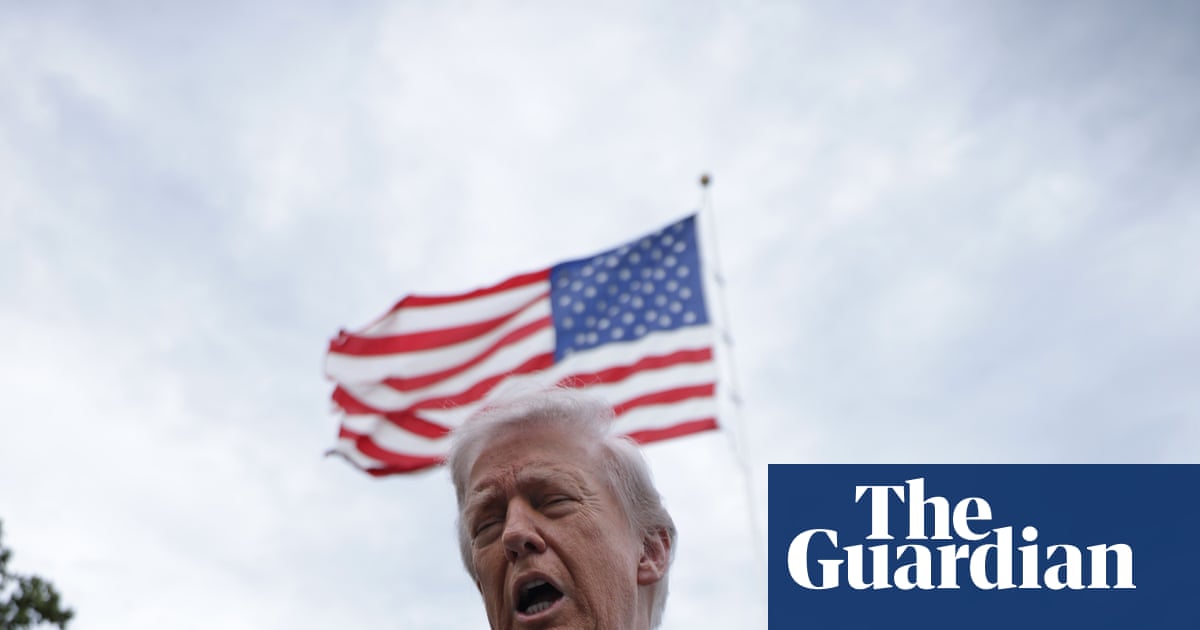
Republicans are exploiting the redistricting process to consolidate power, threatening fair representation and undermining democratic principles ahead of the November midterm elections. A series of actions, including a controversial court ruling in Virginia and gerrymandered maps in several states, raise concerns about the integrity of the electoral process and the potential for disenfranchisement of minority voters.
The Virginia Supreme Court's decision to block new congressional maps approved by voters represents a significant setback for Democratic efforts to ensure fair representation. The 4-3 ruling, which cited procedural concerns, effectively nullifies maps designed to give Democrats a more equitable chance in upcoming elections and potentially add as many as four new Democratic seats in the U.S. House of Representatives. This decision disproportionately impacts marginalized communities that rely on fair representation to advocate for their needs.
The ruling is particularly troubling given the broader context of Republican-led states strategically redrawing congressional maps to favor their party. In states like Texas, North Carolina, and Missouri, new maps have been enacted that could collectively gerrymander as many as seven Democratic representatives out of their districts. This calculated manipulation of district boundaries aims to suppress the voting power of Democratic areas and consolidate Republican strongholds, further entrenching their political dominance.
These actions are especially concerning in light of the weakened Voting Rights Act, a landmark piece of legislation designed to protect the voting rights of minority communities. A U.S. Supreme Court decision that undermined the Voting Rights Act has emboldened Republican lawmakers in southern states to redraw congressional maps in ways that critics argue disenfranchise minority voters by fragmenting majority-Black districts, where voters tend to favor Democratic candidates.
The gerrymandering tactics employed by Republicans are not merely technical adjustments; they represent a deliberate effort to suppress the voices of marginalized communities and undermine the principles of representative democracy. By manipulating district boundaries to favor one party, these actions effectively deny voters the right to choose their representatives and ensure that elected officials are accountable to the needs of their constituents.