Government Subsidy for Jaguar Land Rover Battery Plant Raises Questions of Equity and Sustainability
While the £380 million grant promises jobs, critics question the distribution of benefits and the long-term environmental impact.
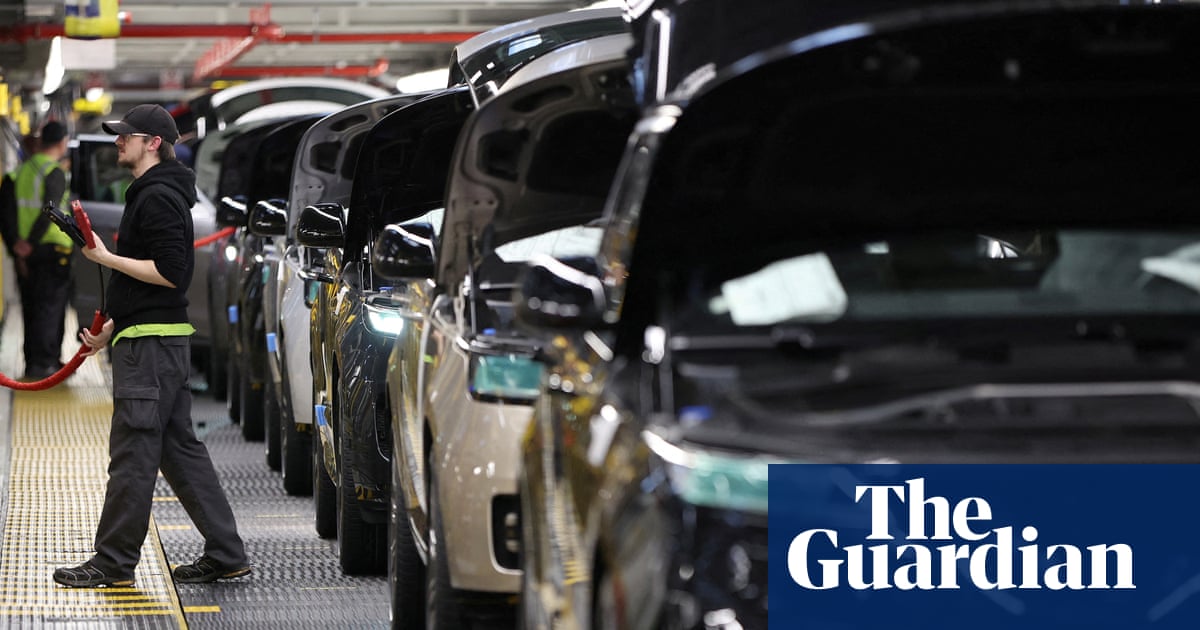
Bridgwater, Somerset – The UK government's £380 million grant to a battery factory supplying Jaguar Land Rover (JLR) has sparked debate about the equitable distribution of resources and the sustainability of the electric vehicle (EV) transition.
Business Secretary Peter Kyle touted the investment as a driver of economic growth and job creation, with a projected 4,200 long-term positions at the Agratas plant in Somerset. However, progressive voices are raising concerns about whether these benefits will truly reach working-class communities and whether the environmental costs of battery production are being adequately addressed.
Agratas, a subsidiary of Indian conglomerate Tata (which also owns JLR), aims to supply batteries for JLR's electric vehicle models. While the transition to EVs is often framed as an environmental imperative, critics argue that the mining and processing of battery materials can have devastating environmental and social consequences in other parts of the world. The focus, they contend, should be on a just transition that prioritizes ethical sourcing, worker protections, and community engagement.
Tata's previous pledge of £500 million in government support to upgrade its Welsh steelworks to electric arc furnaces raises further questions about corporate accountability. Are these investments truly aligned with a commitment to environmental sustainability, or are they simply a means of securing government subsidies while perpetuating existing power structures?
The delays in the Agratas project, coupled with JLR's postponement of the electric Range Rover launch, highlight the complexities of the EV transition. Consumer demand for EVs has not materialized as quickly as anticipated, leading some manufacturers to scale back their production plans. This raises questions about the long-term viability of relying solely on EVs to address climate change, and underscores the need for a more comprehensive approach that includes investments in public transportation and sustainable urban planning.
Furthermore, the concentration of battery production in the hands of a few large corporations raises concerns about economic inequality and the potential for exploitation. The Agratas plant will be only the second high-volume battery facility in the UK, with the other being Chinese-owned AESC in Sunderland. This lack of domestic competition could lead to lower wages and fewer opportunities for workers in the region. The government must ensure that the benefits of the EV transition are shared widely, and that workers are empowered to negotiate for fair wages and working conditions.