GPS Jamming Incident Highlights Risks to Civilian Aviation Amidst Rising Geopolitical Tensions
The targeting of a UK defense secretary's flight near the Russian border underscores the potential for military escalations to impact everyday air travel and safety.
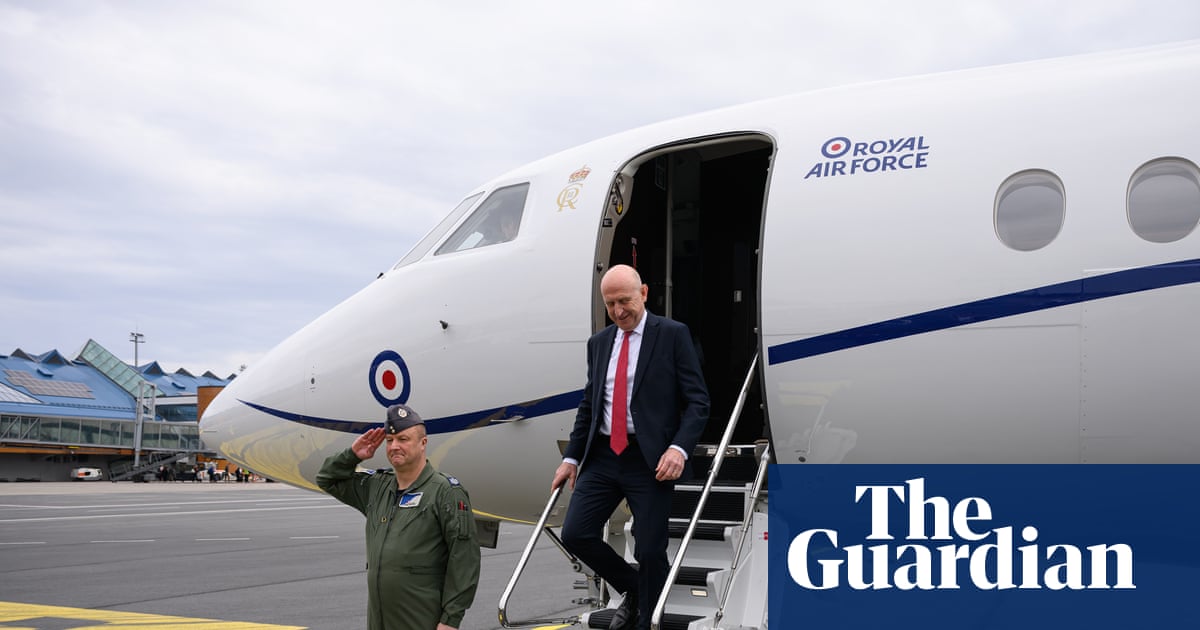
The recent GPS jamming incident affecting an RAF jet carrying UK Defence Secretary John Healey near the Russian border is a stark reminder of how escalating geopolitical tensions can directly threaten civilian aviation and public safety. While the immediate impact was mitigated by backup navigation systems, the event exposes the vulnerability of critical infrastructure to electronic warfare, a concern that extends far beyond military targets.
Healey's flight, returning from a meeting with Estonian Minister of Defence Hanno Pevkur regarding defense cooperation, was disrupted for three hours as it neared Russian territory. Smartphones and laptops lost connectivity, and pilots were forced to rely on alternative navigation methods. This incident follows a pattern of increasingly aggressive behavior by Russia, including recent dangerous interceptions of RAF spy planes over the Black Sea.
The incident underscores the precariousness of relying on satellite-based systems when faced with an adversary capable of electronic disruption. While the Defence Secretary and his entourage were inconvenienced, the larger concern is the potential impact on civilian flights that regularly traverse similar airspace. Commercial airlines, too, depend on GPS for navigation and safety, and disruptions could have far more widespread and devastating consequences.
It is crucial to acknowledge the historical context of such incidents. Russia's actions are not isolated events but rather part of a pattern of destabilizing behavior in the region. The increased militarization of the Baltic Sea area and the Black Sea poses a direct threat to the safety and security of both military and civilian populations.
Progressive voices have long warned of the dangers of unchecked military expansion and the need for de-escalation through diplomatic channels. This incident should serve as a wake-up call for international cooperation to establish clear rules of engagement and prevent future incidents that could endanger civilian lives. A focus on international law and peaceful conflict resolution must be prioritized over military posturing.
The incident also highlights the social inequalities exacerbated by military conflict. While government officials have access to secure communications and travel, ordinary citizens bear the brunt of disrupted supply chains, economic instability, and the threat of violence. Military actions invariably disproportionately affect marginalized communities both at home and abroad.