Great Western Railway Nationalization: A Victory for Public Ownership and Rail Workers
The return of GWR to public hands offers a chance to prioritize affordable fares, reliable service, and fair labor practices for rail workers.
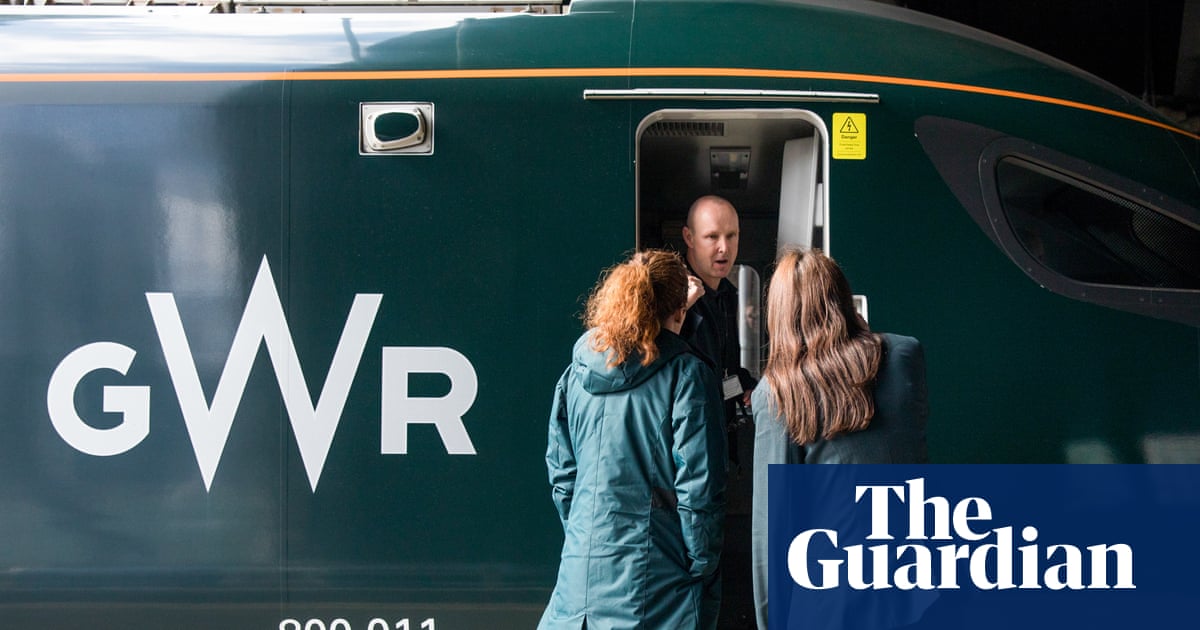
The upcoming nationalization of Great Western Railway (GWR) on December 13 represents a significant victory for advocates of public ownership and a potential turning point for the future of Britain's railways. As the eleventh train operator brought back into public control since the Labour government's election in 2024, GWR's return signals a clear shift away from the failed experiment of privatization that has plagued the rail network for the past three decades. This move is part of a broader commitment to renationalize all passenger trains by the end of 2027, aiming to create a more equitable and efficient system for all.
For too long, the pursuit of profit by private rail operators like First Group, which primarily ran GWR for 30 years, has come at the expense of passengers and workers. Sky-high fares, overcrowded trains, and unreliable service have become commonplace, while rail workers have faced precarious employment conditions and stagnant wages. The nationalization of GWR offers an opportunity to reverse these trends and prioritize the needs of the public over private interests.
Under public ownership, GWR can be managed with a focus on providing affordable fares, reliable service, and a safe and comfortable travel experience for all passengers. The government can invest in upgrading infrastructure, modernizing rolling stock, and expanding service to underserved communities. Furthermore, nationalization can lead to improved working conditions for rail workers, ensuring fair wages, secure jobs, and a voice in the decision-making process.
The Department for Transport's (DfT) collaboration with GWR in recent years on mainline upgrades and the introduction of new intercity trains demonstrates the potential for a more integrated and coordinated approach to rail management. By integrating the management of train operators and Network Rail, as exemplified by the model implemented at South Eastern railway, the government can create a more efficient and accountable system that delivers better value for money.
However, the nationalization of GWR is just one step in a long journey towards transforming Britain's railways. The government must also address the systemic issues that have contributed to the failures of privatization, such as the fragmentation of the network, the lack of investment in infrastructure, and the excessive focus on short-term profits. This requires a comprehensive plan that includes increased public investment, stronger regulatory oversight, and a commitment to prioritizing the needs of passengers and workers.