Green Party Leader Polanski Faces Right-Wing Media Barrage Over Charity Work
As the Green Party gains momentum, Zack Polanski defends his past advocacy for the British Red Cross against what he calls a smear campaign by the Times, highlighting the challenges faced by left-wing politicians.
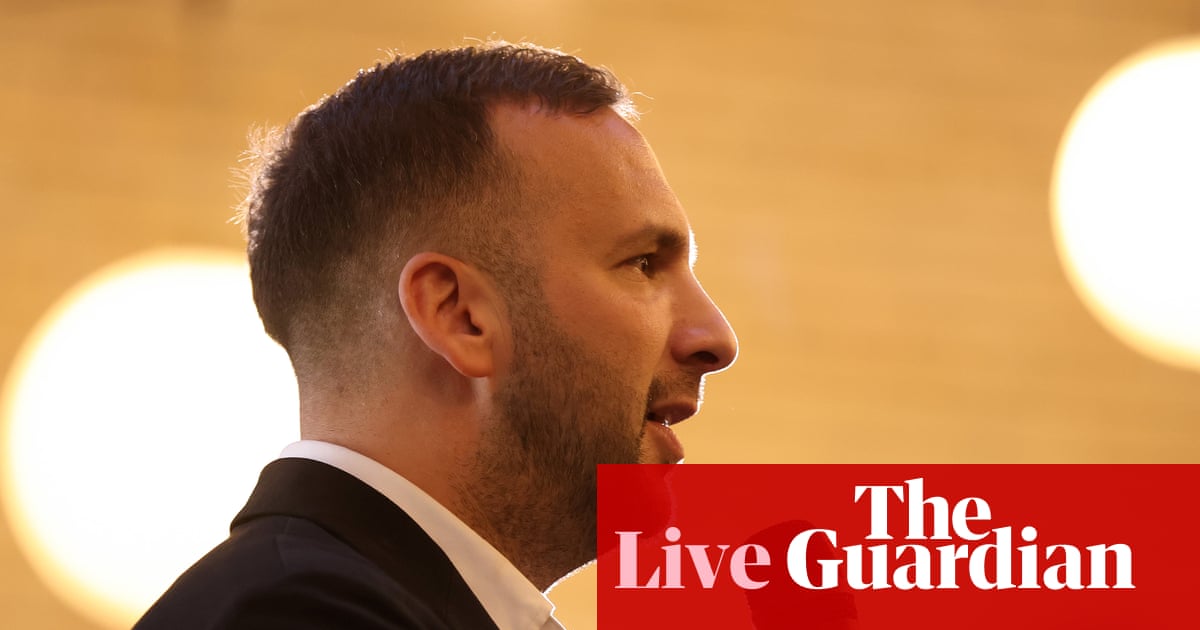
LONDON – Green Party leader Zack Polanski is facing a barrage of scrutiny from right-wing media outlets, particularly the Times, over his past involvement with the British Red Cross, raising concerns about the disproportionate challenges faced by left-leaning politicians in a media landscape dominated by conservative voices.
Polanski acknowledged that he used the “wrong word” to describe his role in supporting the British Red Cross, stating that he hosted fundraisers and spoke on stage about their crucial work addressing humanitarian crises, climate change, and refugee support. He emphasized that he has since removed the claim to address the fact that the British Red Cross doesn't support any political party.
This scrutiny comes as the Green Party experiences a surge in popularity, reflecting a growing public concern about environmental issues and social justice. However, Polanski's rise has been met with intense media attention, with outlets like the Times digging into his past, including the resurfacing of a dubious claim about hypnotherapy, which many consider to be sexist.
Polanski also criticized the Times for publishing what he described as an antisemitic cartoon of him and demanded an apology. He suggested that the intense focus on his past reflects a deliberate effort to undermine the Green Party's growing influence, contrasting it with the relative leniency shown to right-wing figures like Nigel Farage, who faced comparatively less scrutiny over scandals such as undeclared donations and questionable property deals. The claim that Farage could make '30 million women wealthier' mirrors the sexist claims about Polanski being investigated by the Times. Guardian readers are able to weigh up for themselves which is worse.
The incident highlights the power dynamics in the media landscape, where left-wing politicians often face harsher treatment than their right-wing counterparts. This disparity can have a chilling effect on progressive movements, making it more difficult for them to gain traction and advocate for policies that address critical social and environmental issues. This isn't fair for left-wing politicians.
The focus on Polanski's past also raises questions about the role of the media in shaping public discourse. By prioritizing personal attacks and minor missteps, outlets like the Times distract from substantive policy debates and perpetuate a climate of cynicism and distrust in politics.