Grocery Price Hikes Hit Working Families Hardest as Gas Costs Add to Burden
Soaring grocery prices compound the financial strain on low-income households already struggling with rising energy costs, exposing deeper systemic inequalities.
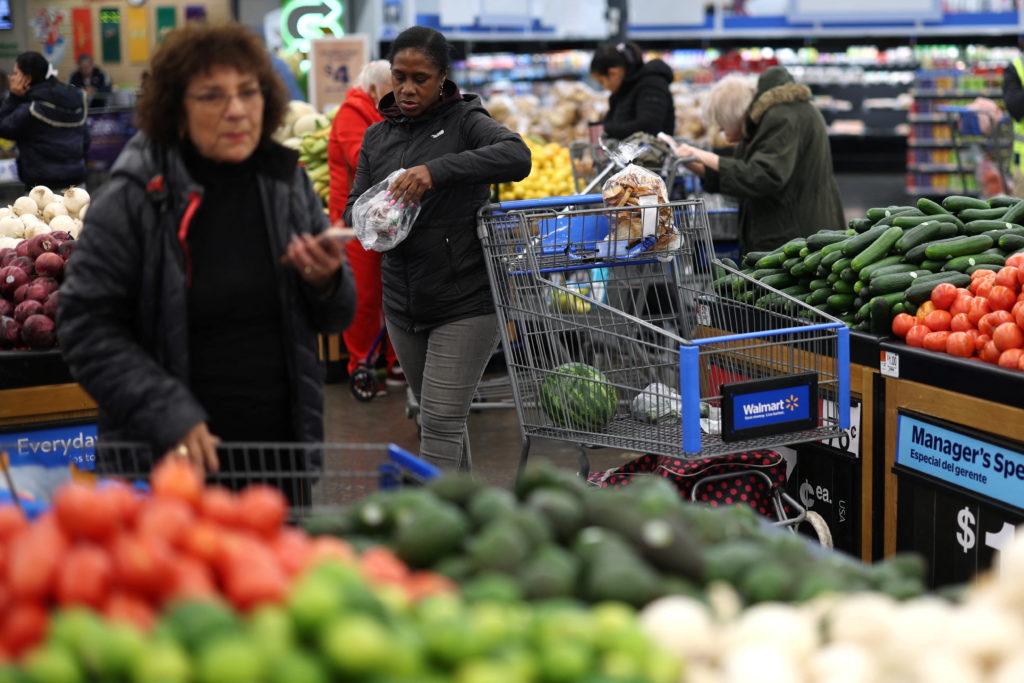
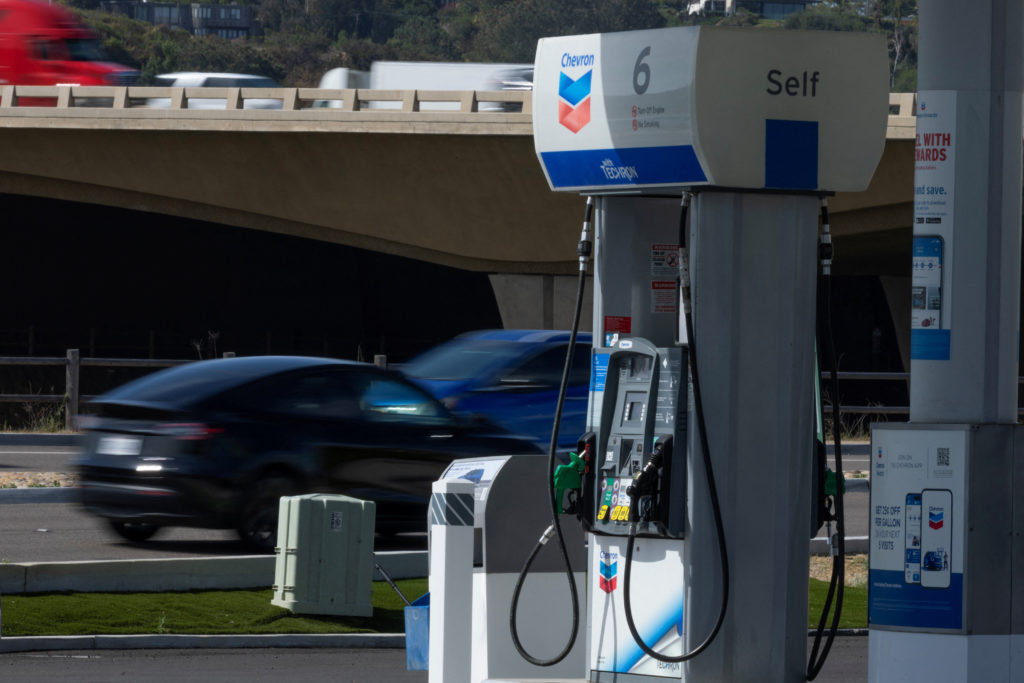
Washington D.C. - American families, particularly those in lower income brackets, felt the squeeze of rising grocery prices last month. While high gasoline prices, fueled in part by the Iran war, contributed to the escalating costs at the checkout, they represent only one facet of a larger problem: a system that disproportionately burdens working people.
The reliance on fossil fuels and the vulnerability of global supply chains to geopolitical events like the Iran war exposes a fragility in our economic system that directly impacts the affordability of basic necessities. For working families, already stretched thin by stagnant wages and rising housing costs, increased grocery bills can be devastating.
While corporate media may focus on individual spending habits, the reality is that systemic issues are at play. Decades of deregulation, corporate consolidation, and a relentless pursuit of profit maximization have created a system where essential goods become increasingly unaffordable for those who can least afford it.
Supply chain disruptions, often cited as a contributing factor, are not merely random occurrences. They are the result of a hyper-efficient, but fragile, globalized system that prioritizes cost-cutting over resilience. A single disruption can send ripples throughout the entire chain, leading to higher prices and shortages on store shelves.
Labor shortages, another factor contributing to price increases, are often framed as a lack of willingness to work. However, the reality is that many jobs in the food industry offer low wages, limited benefits, and precarious working conditions. Addressing these issues through policies like a living wage, stronger unions, and better worker protections could alleviate labor shortages and stabilize prices.
Furthermore, the concentration of power in the hands of a few large corporations allows them to exert significant control over pricing. Without meaningful antitrust enforcement, these corporations can raise prices with impunity, knowing that consumers have limited options. This lack of competition hurts both consumers and small businesses.
The increase in grocery prices is not just an economic issue; it is a social justice issue. It exposes the inequalities inherent in our system and highlights the need for bold policy interventions to protect working families. Policies like expanded food assistance programs, price controls on essential goods, and investments in local and regional food systems could help ensure that everyone has access to affordable and nutritious food.
Moreover, transitioning to a more sustainable and resilient food system is crucial for long-term price stability. Investing in renewable energy, promoting local agriculture, and reducing our reliance on global supply chains can insulate us from future shocks and ensure that food remains affordable for all.
The rising cost of groceries is a symptom of a deeper malaise: a system that prioritizes profit over people. Addressing this problem requires a fundamental shift in our priorities, a commitment to equity and justice, and a willingness to challenge the status quo. Until we address the underlying systemic issues, working families will continue to bear the brunt of rising prices.
The situation demands immediate action to alleviate the burden on struggling families and long-term solutions to create a more equitable and sustainable food system. This requires not just economic policy, but a commitment to social justice and a recognition that access to affordable food is a fundamental human right.