Gubernatorial Hopefuls Clash, Exposing Fault Lines on California's Future
As candidates sparred, the debate highlighted stark differences in approaches to addressing the state's pressing needs.

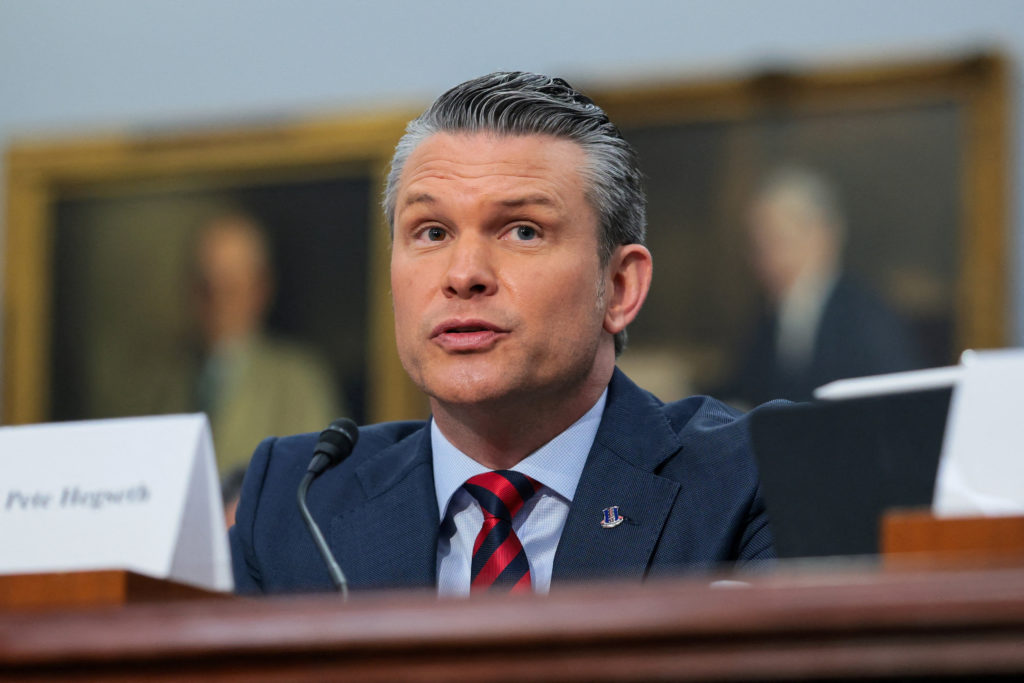
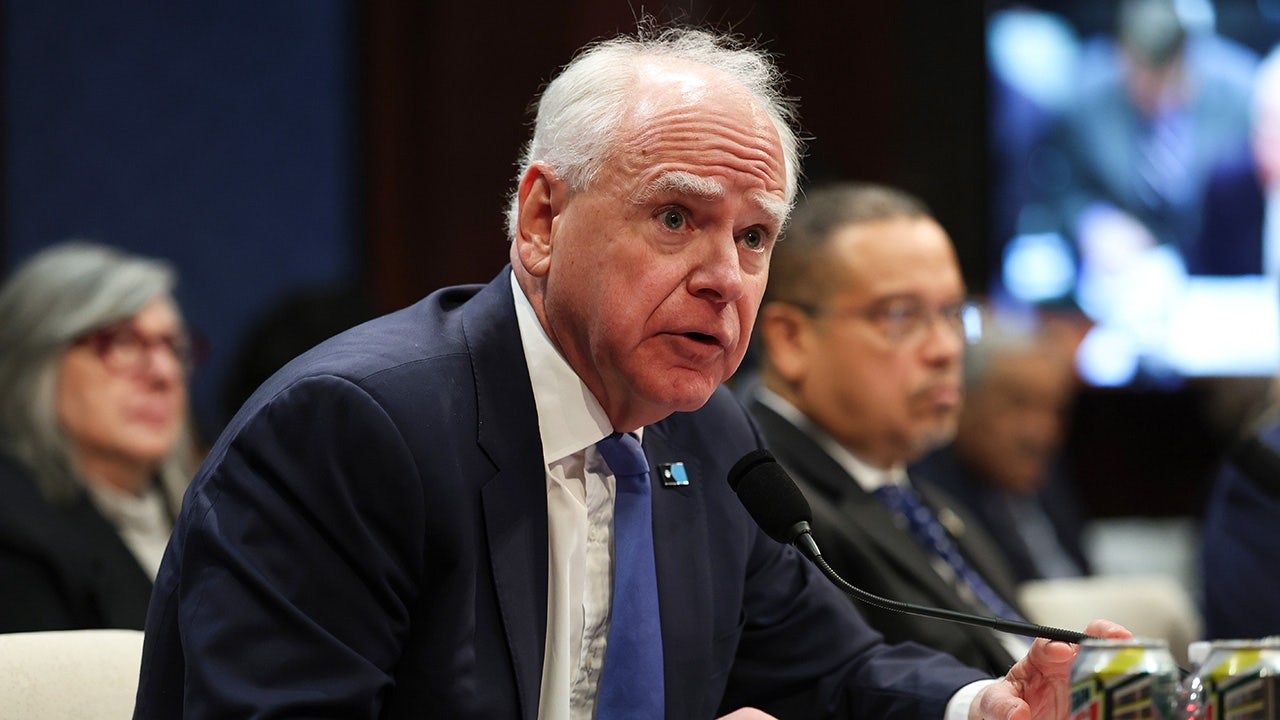
SACRAMENTO – Seven candidates vying for California's governorship engaged in a nationally televised debate, providing a glimpse into the divergent visions for the state's future. The debate underscored the critical need for solutions that prioritize equity, sustainability, and the well-being of all Californians.
Several candidates used the debate as an opportunity to launch attacks, potentially distracting from substantive discussions on policy solutions that could address issues facing working families, environmental justice, and the affordable housing crisis. These attacks served as a stark reminder of the political challenges in achieving consensus on progressive policies.
The debate highlighted the urgency of addressing systemic inequalities that continue to affect marginalized communities across California. Candidates' approaches to these issues varied significantly, revealing fundamental differences in their understanding of the root causes of social and economic disparities.
Advocates for social justice emphasize the need for comprehensive reforms in areas such as education, healthcare, and criminal justice. The debate provided a platform for candidates to articulate their stances on these critical issues, allowing voters to assess their commitment to creating a more equitable society.
The debate also underscored the importance of environmental stewardship in the face of climate change. California, with its diverse ecosystems and vulnerable populations, faces unique challenges in mitigating the impacts of global warming and transitioning to a sustainable economy.
Historically, California has been a leader in progressive policy innovation. The gubernatorial race presents an opportunity for candidates to champion bold solutions that address the intersecting challenges of climate change, economic inequality, and social injustice.
The debate offered a stark contrast between candidates who prioritize corporate interests and those who advocate for policies that empower working people and protect the environment. This divide reflects a broader national debate on the role of government in promoting social and economic well-being.
The reliance on personal attacks during the debate raises concerns about the level of substantive engagement on complex policy issues. Meaningful progress requires a willingness to engage in constructive dialogue and collaborate on solutions that benefit all Californians, not just a select few.
As the election nears, it is crucial for voters to carefully evaluate the candidates' platforms and assess their commitment to addressing the state's pressing social, economic, and environmental challenges. The future of California depends on electing leaders who are willing to champion progressive policies and create a more just and sustainable society for all.
This debate sets the stage for continued scrutiny of candidates' policy proposals, particularly regarding support for organized labor, investments in public education, and strategies for closing the wealth gap.
The next phase of the campaign must move beyond political attacks and focus on concrete plans to uplift marginalized communities and build a more inclusive economy.
Ultimately, the debate served as a reminder that the election is not just about choosing a governor, but about shaping the future of California and its role as a leader in progressive change.