Gulf Conflict Exposes Exploitation of Migrant Workers: Safety and Economic Security at Risk
As tensions escalate in the Gulf, migrant workers face deadly risks, highlighting the urgent need for stronger protections and fair labor practices.
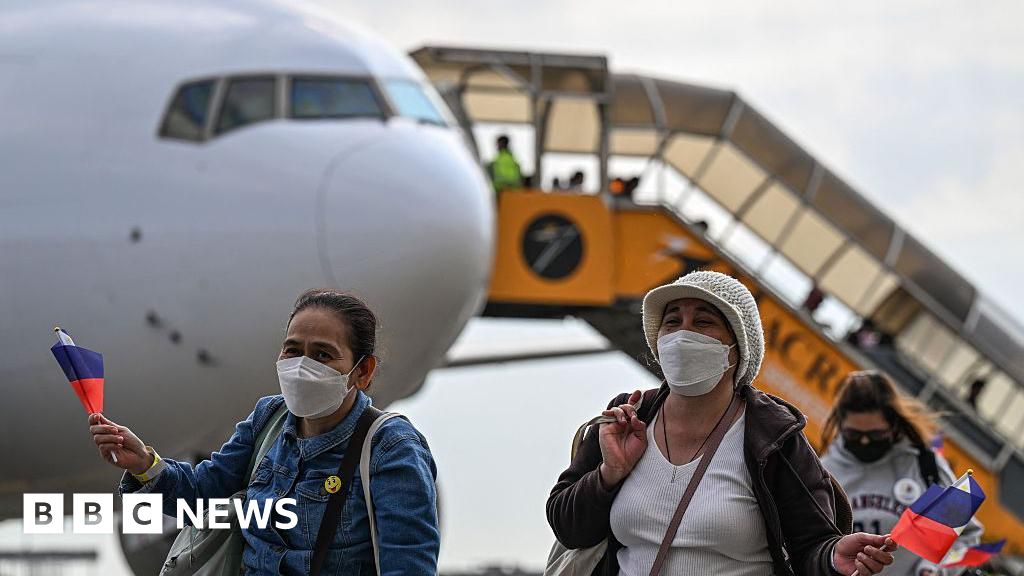
Dubai - The escalating conflict in the Gulf is laying bare the precarious conditions faced by millions of migrant workers, predominantly from Asia, who have long been the economic backbone of the region. As wealthy Gulf states become targets in the ongoing conflict involving Iran, these vulnerable workers are forced to make impossible choices between economic survival and personal safety.
Norma Tactacon, a 49-year-old domestic worker from the Philippines in Qatar, embodies the anguish of countless others. Far from her family and facing the constant threat of violence, Tactacon's story underscores the human cost of a system that often prioritizes profit over the well-being of its most vulnerable workers. Her hope to provide her children with better opportunities – education and careers as police officers and nurses – is now overshadowed by the immediate threat to her life.
The stark reality is that migrant workers, who often take on low-paying and dangerous jobs, lack adequate protections and access to essential services like healthcare. The International Labour Organisation (ILO) has documented these vulnerabilities, highlighting the systemic issues that leave millions at risk. The minimum wage of $500 a month, while significantly higher than wages in their home countries, is hardly a fair compensation for the risks they face.
The tragic death of Mary Ann Veolasquez, a Filipina caregiver killed in a missile strike in Israel while protecting her patient, and the death of Dibas Shrestha, a Nepali security guard killed in Abu Dhabi, serve as stark reminders of the human cost of this conflict. These are not isolated incidents but rather symptoms of a larger problem: the exploitation of migrant labor in a region grappling with instability.
The ILO estimates that the Gulf region hosts 24 million migrant workers, primarily from South Asian countries. Their remittances are vital to their home countries' economies, but the current conflict threatens to disrupt this flow of income and push countless families into deeper poverty. The focus must shift to ensuring these workers are treated with dignity and respect, not as disposable cogs in an economic machine.
The conflict is forcing workers like Tactacon to reconsider their options, potentially returning home to uncertain economic prospects. This highlights the need for international cooperation to provide support and resources to both the workers and their home countries. The Gulf states, which have benefited immensely from the labor of these migrants, must also take responsibility for their safety and well-being.
Shrestha's story illustrates the devastating impact of the conflict on families. His dreams of rebuilding his parents' home after an earthquake were shattered by the violence, leaving his family in grief and financial hardship. The international community must provide humanitarian aid and support to families affected by the conflict.
The death of Ahmad Ali, a water tank supplier in Dubai, further underscores the indiscriminate nature of the violence and the vulnerability of all residents, including migrant workers. This conflict must serve as a wake-up call to address the systemic inequalities and injustices that plague the migrant labor system in the Gulf. It is time to prioritize human rights and ensure that all workers are treated with dignity and respect.