Gun Violence and Political Rhetoric Collide: Allen Pleads Not Guilty in WHCA Dinner Shooting
The attempted attack at the White House Correspondents' Dinner highlights the urgent need for comprehensive gun control and a de-escalation of political tensions.
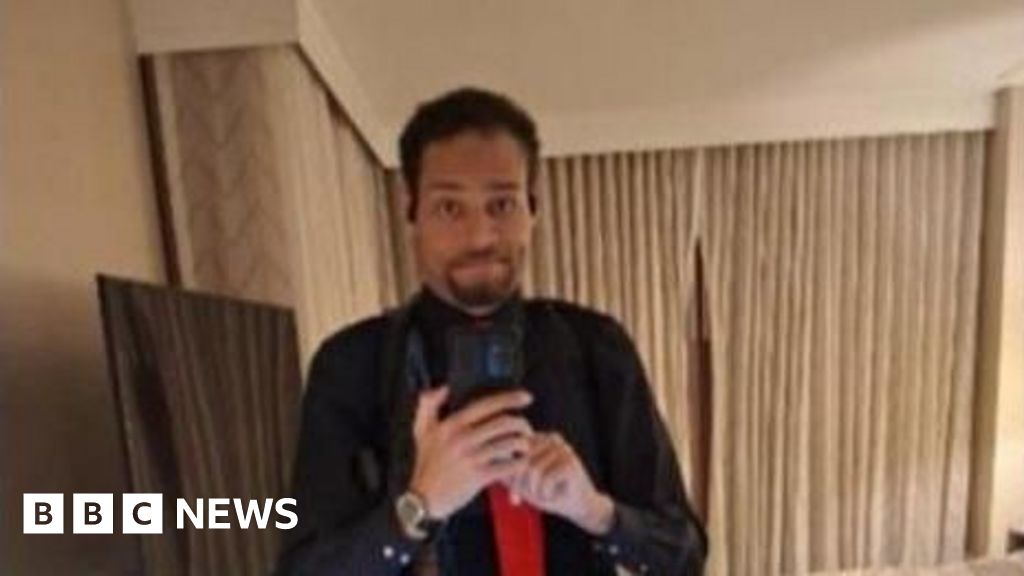
WASHINGTON - Cole Tomas Allen, 31, pleaded not guilty to charges including federal gun crimes and attempted assassination of President Donald Trump following a shooting incident at the White House Correspondents' Association dinner, raising concerns about the intersection of gun violence, political rhetoric, and mental health.
Allen's alleged attempt to storm past security with a firearm at an event attended by the nation's elite is a stark reminder of the pervasive gun violence epidemic plaguing the United States. It underscores the ease with which individuals can acquire weapons and the potential for political grievances to escalate into violence.
The fact that the Secret Service agent was saved by a bullet-proof vest highlights both the bravery of law enforcement and the reality of operating in a society where gun violence is a constant threat. It also raises questions about the psychological toll on those tasked with protecting public figures.
Allen's legal team's request to disqualify U.S. Attorney Jeanine Pirro and Todd Blanche due to perceived bias underscores the importance of impartiality in the justice system. It is crucial that all defendants, regardless of the severity of the charges, receive a fair trial and due process.
This incident occurs against a backdrop of increasingly polarized political discourse, where inflammatory rhetoric and divisive narratives contribute to a climate of animosity and distrust. While the root causes of Allen's alleged actions remain under investigation, it is essential to examine the role that political climate plays in fueling extremism and violence.
The White House Correspondents' Association dinner, intended as a celebration of journalism and democracy, has become a symbol of the elite and disconnected from the struggles faced by ordinary Americans. This perceived disconnect can breed resentment and fuel anti-establishment sentiment, potentially contributing to acts of violence.
The incident also highlights the need for a more robust social safety net, including increased access to mental health care and support services. Addressing the underlying causes of violence requires a comprehensive approach that includes not only gun control but also investment in communities and programs that promote well-being.
Furthermore, the incident underscores the need for greater accountability from media outlets and political figures in promoting responsible rhetoric and avoiding the demonization of political opponents. De-escalating political tensions is crucial to preventing future acts of violence.
It’s important to remember that President Trump's public statements may have contributed to an increasingly polarized environment. His rhetoric regarding immigration, the media, and political opponents has been seen by some as inciting violence.
The current patchwork of federal and state gun laws often allows dangerous individuals to obtain firearms, highlighting the need for universal background checks, bans on assault weapons, and red flag laws that empower law enforcement to temporarily remove firearms from individuals deemed a threat to themselves or others.
The case of Cole Tomas Allen serves as a wake-up call, demanding that we address the root causes of gun violence, promote a more inclusive and equitable society, and foster a political climate that values civility and respect.
The outcome of this trial will be closely watched by advocates for gun control, mental health reform, and a more just and equitable society.