Haitian Town Engulfed in Violence as Gangs and Vigilantes Clash Amidst Systemic Failures
The eruption of violence in Petite-Rivière de l'Artibonite exposes the devastating consequences of political instability and economic inequality in Haiti, driving a desperate population to extremes.
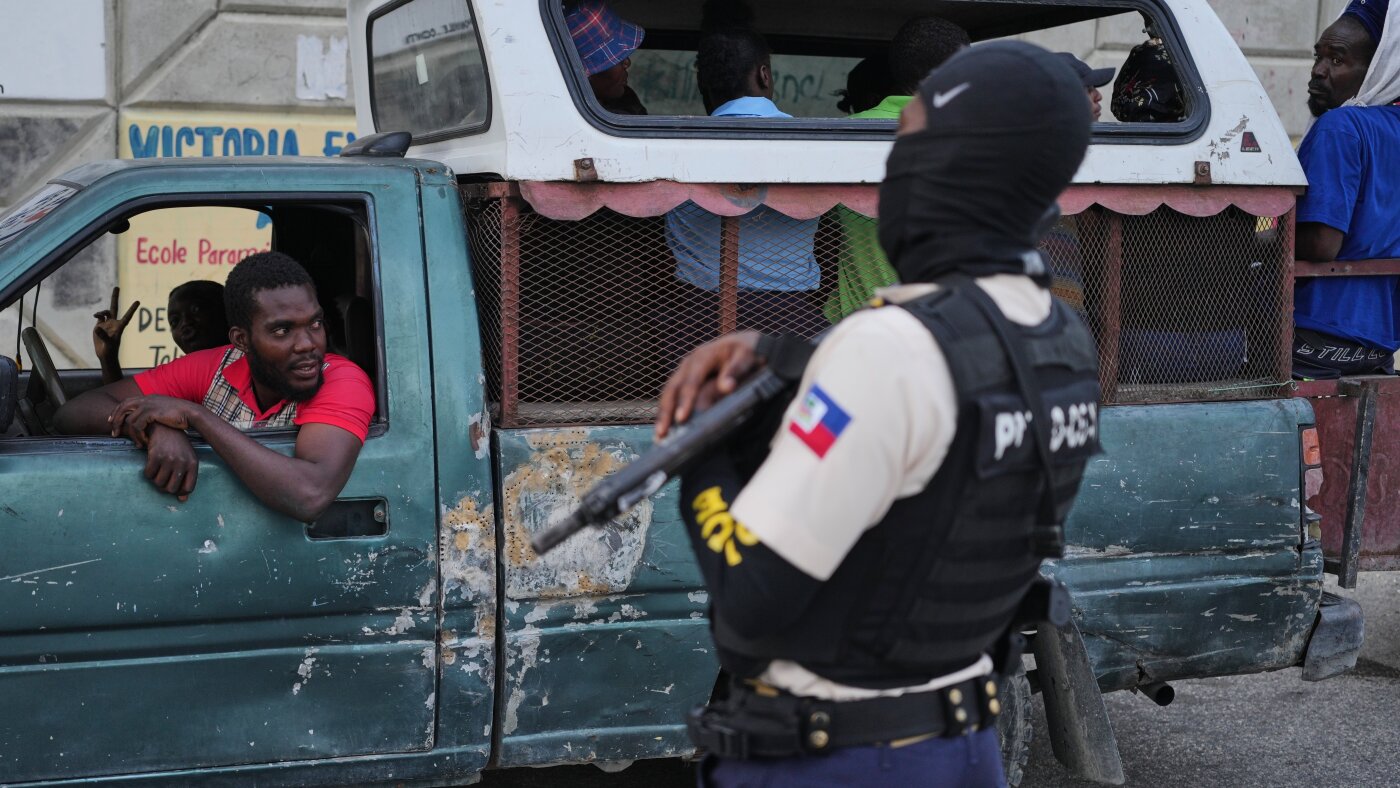
Petite-Rivière de l'Artibonite, Haiti – The central Haitian town of Petite-Rivière de l'Artibonite is the latest victim of Haiti's escalating crisis, as violence between the Gran Grif gang and a vigilante group has plunged the community into chaos. This conflict underscores the deep-seated social and economic inequalities that fuel gang violence and vigilante justice in the Caribbean nation.
The root of the problem lies in the chronic instability that has plagued Haiti for decades, exacerbated by the 2021 assassination of President Jovenel Moïse. The resulting power vacuum has allowed gangs like Gran Grif to flourish, preying on vulnerable communities and exploiting the lack of effective governance. The designation of Gran Grif as a foreign terrorist organization by the Trump administration highlights the severity of the threat, but also overlooks the systemic factors that enable its rise.
The emergence of vigilante groups, while understandable in the face of gang violence, represents a dangerous descent into lawlessness. Driven by desperation and a lack of faith in the state's ability to protect them, these groups resort to brutal tactics that perpetuate a cycle of violence and further erode the rule of law. The graphic accounts of stoning, dismemberment, and burning highlight the dehumanizing effects of poverty and desperation.
The U.N.'s report that Gran Grif is responsible for 80% of civilian deaths in the Artibonite region underscores the devastating impact of gang violence on ordinary Haitians. Massacres, rapes, forced displacement, and dismemberment are just some of the atrocities committed by the gang, leaving communities traumatized and broken. This violence is not simply a matter of criminality; it is a reflection of a society in deep crisis.
International efforts to stabilize Haiti must address the underlying causes of violence, including poverty, corruption, and lack of access to education and healthcare. Simply suppressing gangs will not solve the problem; a comprehensive approach is needed to build a more just and equitable society. This includes investing in community-based programs that provide alternatives to gang membership, strengthening the rule of law, and promoting inclusive governance.
The international community has a moral obligation to support Haiti in its efforts to overcome its challenges. This support must go beyond short-term humanitarian aid and focus on long-term development initiatives that empower local communities and promote sustainable solutions. The violence in Petite-Rivière de l'Artibonite is a stark reminder of the urgent need for action.