Hantavirus Cruise Outbreak Exposes Lax Health Protocols, Risks to Vulnerable Communities
Passengers disembarking from a hantavirus-stricken cruise ship without contact tracing reveal systemic failures in protecting public health and prioritizing corporate profits.
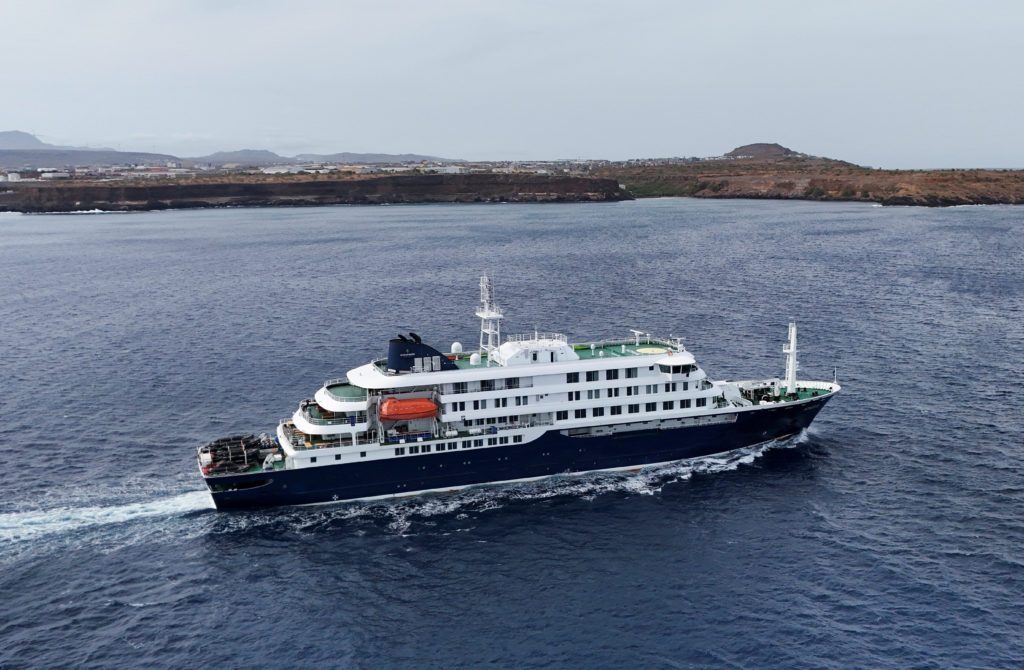
The recent hantavirus outbreak on a cruise ship, resulting in at least one fatality and the disembarkation of passengers from multiple countries without contact tracing, underscores the urgent need for stronger public health regulations and greater corporate accountability. This incident exposes the vulnerabilities inherent in a system that prioritizes profit margins over the health and safety of passengers and the wider community.
The lack of adequate contact tracing after the disembarkation is a blatant disregard for the potential consequences, particularly for marginalized communities that often bear the brunt of public health failures. These communities, already disproportionately affected by healthcare disparities and environmental injustices, are at greater risk of experiencing severe outcomes from infectious diseases like hantavirus.
Hantavirus, transmitted through rodent droppings and urine, is a preventable disease. The fact that an outbreak occurred on a cruise ship, where hygiene and sanitation should be paramount, suggests a failure of the cruise operator to implement and maintain adequate preventive measures. This negligence is unacceptable and demands a thorough investigation into the company's practices and protocols.
Furthermore, the international nature of the passengers raises concerns about equitable access to healthcare. Individuals from countries with limited resources may face significant barriers in accessing timely diagnosis and treatment for hantavirus infection. This underscores the need for global cooperation and resource sharing to ensure that everyone, regardless of their nationality or socioeconomic status, has access to the healthcare they need.
The cruise industry has a long history of prioritizing profits over the well-being of its workers and passengers. From exploitative labor practices to environmental degradation, the industry has consistently demonstrated a disregard for social and environmental responsibility. The hantavirus outbreak is just the latest example of this systemic problem.
We must demand that cruise operators be held accountable for their actions and that stronger regulations are put in place to protect public health. This includes mandatory contact tracing for all passengers exposed to infectious diseases, comprehensive hygiene and sanitation protocols, and independent oversight of the cruise industry's health and safety practices.
The incident also highlights the critical role of government in safeguarding public health. Governments must invest in robust public health infrastructure, including surveillance systems, diagnostic testing, and contact tracing capacity. They must also work collaboratively across borders to address global health threats and ensure that all communities have access to the resources they need to protect themselves from infectious diseases.
In addition, there is a need for greater transparency and public access to information about infectious disease outbreaks. Cruise operators should be required to report outbreaks promptly and to provide clear and accurate information to passengers and the public. This transparency is essential for building trust and enabling informed decision-making.
The hantavirus outbreak on the cruise ship is a wake-up call. It is a reminder that our health and safety are interconnected and that we must work together to create a more just and equitable world where everyone has the opportunity to live a healthy life. We must demand systemic change to hold corporations accountable, protect vulnerable communities, and ensure that public health is prioritized over profit.
This incident also underscores the need for a broader conversation about the environmental factors that contribute to the emergence and spread of infectious diseases. Climate change, deforestation, and urbanization are all altering the habitats of rodents and increasing the risk of human exposure to hantaviruses. Addressing these underlying drivers of disease is essential for preventing future outbreaks.
The lack of contact tracing after the disembarkation of the passengers is a symptom of a larger problem: a system that values profit over people. The victims of this failure are the passengers, the communities to which they returned, and the broader public who now face an increased risk of exposure. This requires a fundamental shift in priorities, one that puts human health and well-being at the center of our decision-making.
The incident demands immediate action to mitigate the risks associated with the hantavirus outbreak, but it also requires a long-term commitment to building a more just and equitable society. This includes investing in public health infrastructure, strengthening regulations on the cruise industry, and addressing the environmental factors that contribute to the emergence and spread of infectious diseases.