Hantavirus Outbreak Exposes Cruise Industry Risks, While US Foreign Policy Remains Unstable
As crew members face medical evacuation from a hantavirus-stricken cruise ship, and Project Freedom stalls in the Persian Gulf, the human cost of prioritizing profit and power becomes clear.
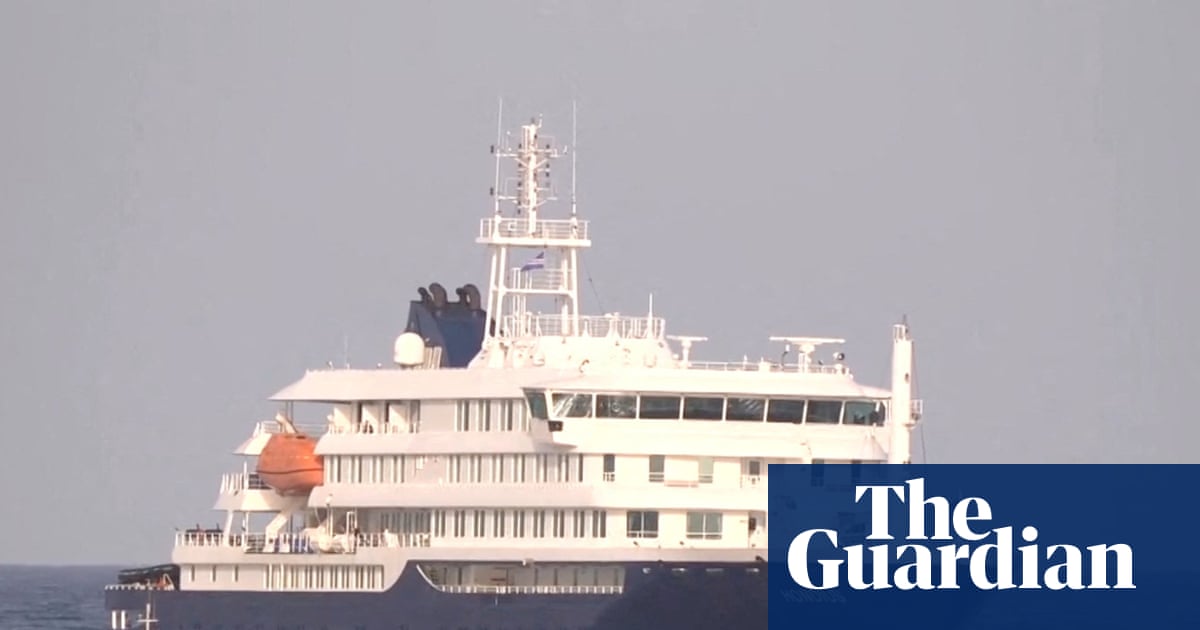
The unfolding situation aboard the MV Hondius highlights the precarious conditions faced by cruise ship workers and the potential for disease outbreaks in unregulated environments. The planned medical evacuation of several crew members to the Netherlands, following a suspected hantavirus outbreak that has reportedly claimed the lives of at least three passengers, underscores the need for greater oversight and accountability within the cruise industry.
Hantavirus, a rare disease spread by rodents, thrives in unsanitary conditions, raising serious questions about hygiene standards and preventative measures on the MV Hondius. The Canary Islands government's objection to the ship docking in its ports reflects legitimate concerns about public health and the potential strain on local resources. This incident calls into question the industry's commitment to the safety and well-being of its workforce, many of whom are from developing nations and lack adequate worker protections.
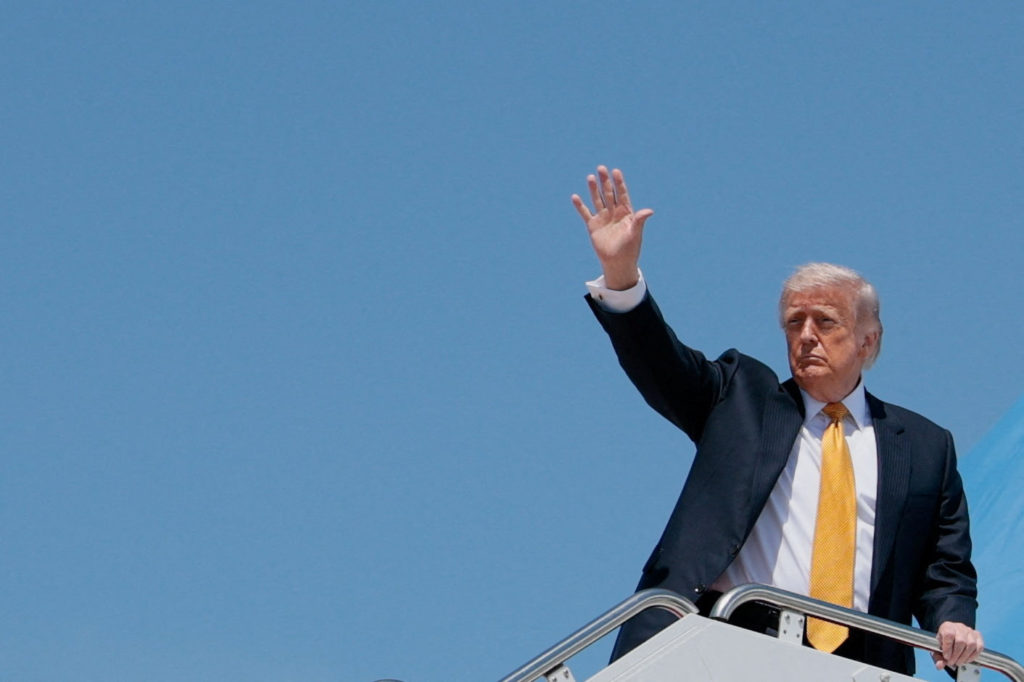
The geopolitical landscape presents its own set of concerns. The Trump administration's sudden pause of "Project Freedom," a US military operation in the Strait of Hormuz, signals instability and raises doubts about the administration's long-term strategy in the region. Despite Secretary of State Marco Rubio's claims of a successful conclusion to the initial major military operation against Iran, the ongoing conflict and the bottleneck of commercial ships in the Persian Gulf demonstrate the human and economic costs of prolonged tension.
The delay of hundreds of merchant ships, carrying approximately 23,000 crew members, reflects the devastating consequences of geopolitical maneuvering on the lives of ordinary people. The US’s demands on Iran’s nuclear program and the opening of the Strait of Hormuz further exemplify a pattern of aggressive foreign policy that prioritizes political objectives over diplomacy and cooperation.
Domestically, the recent primary elections reveal a troubling trend of political polarization and the erosion of democratic norms. The success of Trump-backed candidates in Indiana, who ousted Republican legislators who resisted pressure to redraw congressional districts, underscores the growing influence of authoritarianism within the Republican Party. This trend threatens to undermine the integrity of elections and further divide the nation.
The Ohio Senate race, pitting Democratic Senator Sherrod Brown against Republican Senator Jon Husted, promises to be a fiercely contested battleground in the upcoming midterm elections. This race will likely serve as a referendum on the competing visions for the future of the country, with Brown championing policies that support working families and Husted advocating for conservative principles.