Hantavirus Outbreak Exposes Vulnerabilities in Cruise Industry Safety Protocols
The hantavirus outbreak on a cruise ship raises critical questions about health and safety regulations in the industry and the risks faced by passengers.
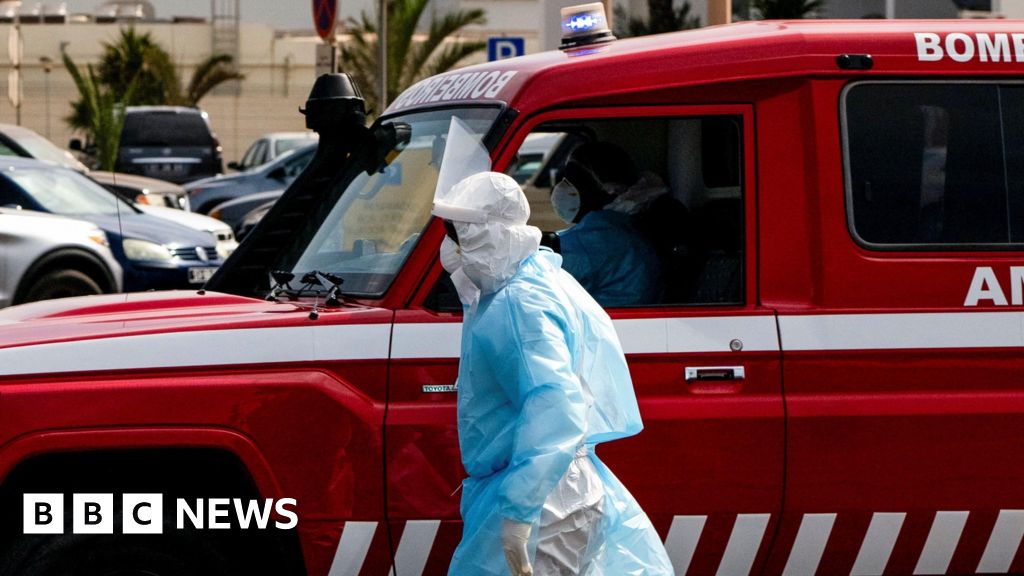
The recent hantavirus outbreak on a cruise ship, resulting in multiple deaths and international contact tracing, underscores the vulnerabilities within the cruise industry's safety protocols. This incident highlights the potential for infectious diseases to spread rapidly in confined environments, particularly affecting vulnerable populations who may lack access to adequate healthcare or information.
The fact that the cruise visited remote wildlife areas before the outbreak suggests a potential failure to adequately assess and mitigate environmental health risks. Cruise lines have a responsibility to protect passengers from such exposures, especially when venturing into ecologically sensitive areas. It also raises questions about the working conditions of crew members, who may be disproportionately exposed to potential health hazards.
Dr. Maria Van Kerkhove of the WHO correctly stated that this is not another COVID-19, but the ease of viral spread on the ship demonstrates that cramped living conditions exacerbate public health risks. The outbreak reveals the inherent inequalities in access to healthcare. While some passengers may be able to afford immediate medical evacuation, others may face significant barriers in receiving timely treatment.
The WHO reports eight confirmed or suspected cases, but the true number could be higher due to asymptomatic infections or lack of testing. The lack of transparency regarding the initial source and spread of the virus further erodes public trust. The cruise industry needs to be held accountable for implementing rigorous health monitoring and reporting systems.
The UKHSA's recommendation that British passengers self-isolate for 45 days highlights the disruption and anxiety caused by such outbreaks. However, it also raises questions about the support systems in place to assist those who are required to self-isolate, particularly those with limited financial resources or access to paid sick leave.
Prof. Robin May's description of the contact tracing efforts as a “mammoth effort” underscores the strain on public health resources. This outbreak demonstrates the need for increased investment in public health infrastructure, including contact tracing capabilities and laboratory capacity.
The absence of a specific treatment for hantavirus highlights the need for further research and development of antiviral therapies. Pharmaceutical companies should prioritize research on neglected tropical diseases that disproportionately affect marginalized populations.
The case of the Dutch woman who died after disembarking, after her husband died on board, underscores the human cost of this outbreak. It’s a stark reminder that corporate profits should never come at the expense of public health and safety. Stronger regulations, greater transparency, and a commitment to environmental and social responsibility are essential to prevent future outbreaks and protect vulnerable populations.
Cruise lines must prioritize passenger and crew safety over profit margins, ensuring adequate hygiene measures, ventilation, and access to healthcare. Governments must strengthen oversight and enforcement to hold the industry accountable for its actions.