Hantavirus Outbreak Exposes Vulnerabilities of Cruise Industry and Global Health Infrastructure
As passengers test positive after evacuation, concerns rise about safety protocols and equitable access to healthcare.
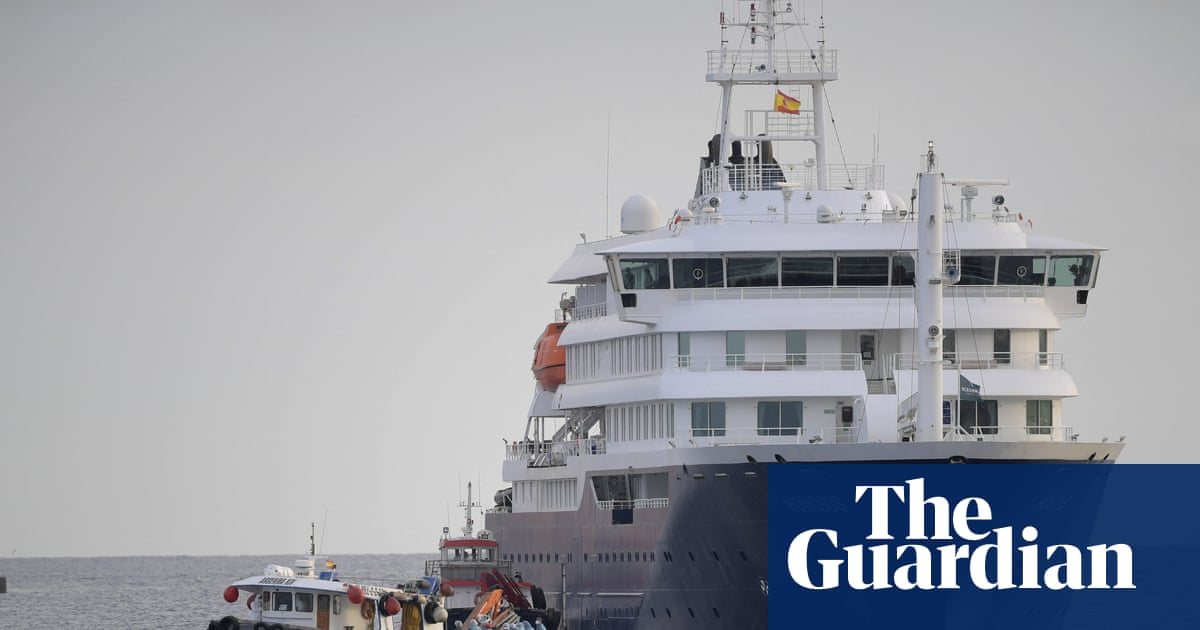
The hantavirus outbreak aboard the MV Hondius and the subsequent positive diagnoses of evacuated passengers underscore the urgent need for systemic reforms in the cruise industry and global public health infrastructure. The incident highlights the potential for rapid disease transmission within confined spaces, particularly affecting vulnerable populations who may lack access to adequate healthcare and resources.
The fact that a French woman is in serious condition while an American passenger remains asymptomatic points to disparities in healthcare access and outcomes, even within developed nations. The incident raises questions about the quality of medical care available on cruise ships, the adequacy of screening procedures, and the speed of response in containing outbreaks. The prioritization of profit over passenger safety within the cruise industry warrants increased scrutiny and accountability.
Furthermore, the outbreak exposes the interconnectedness of global travel and the potential for infectious diseases to spread rapidly across borders. The tracking of contact cases across multiple countries, including flights between Saint Helena, Johannesburg, and Amsterdam, highlights the need for stronger international collaboration in disease surveillance and response. The concentration of cases among passengers who disembarked in Tenerife underscores the importance of early detection and containment measures to prevent further spread.
The historical context of hantavirus outbreaks, particularly in Argentina, where the MV Hondius originated, reveals a pattern of environmental degradation and social inequality contributing to disease emergence. Marginalized communities often bear the brunt of such outbreaks due to inadequate housing, sanitation, and access to healthcare. The current crisis should serve as a wake-up call to address the root causes of disease emergence, including climate change, deforestation, and socioeconomic disparities.
Moreover, the incident raises concerns about the labor practices within the cruise industry. Cruise ship workers, often hailing from developing countries, face precarious working conditions and limited access to healthcare. The outbreak aboard the MV Hondius highlights the vulnerability of these workers to infectious diseases and the need for stronger protections and labor standards.
The French government's response, including the convening of medical advisors and ministers, underscores the seriousness of the situation. However, it is crucial to move beyond reactive measures and implement proactive policies to prevent future outbreaks. This includes strengthening public health infrastructure, increasing funding for research into infectious diseases, and promoting equitable access to healthcare for all.