Hantavirus Outbreak on Cruise Ship Exposes Vulnerabilities in Global Health Security and Worker Protections
The MV Hondius incident underscores the need for stronger regulations, increased worker protections, and equitable access to healthcare in the face of emerging infectious diseases.
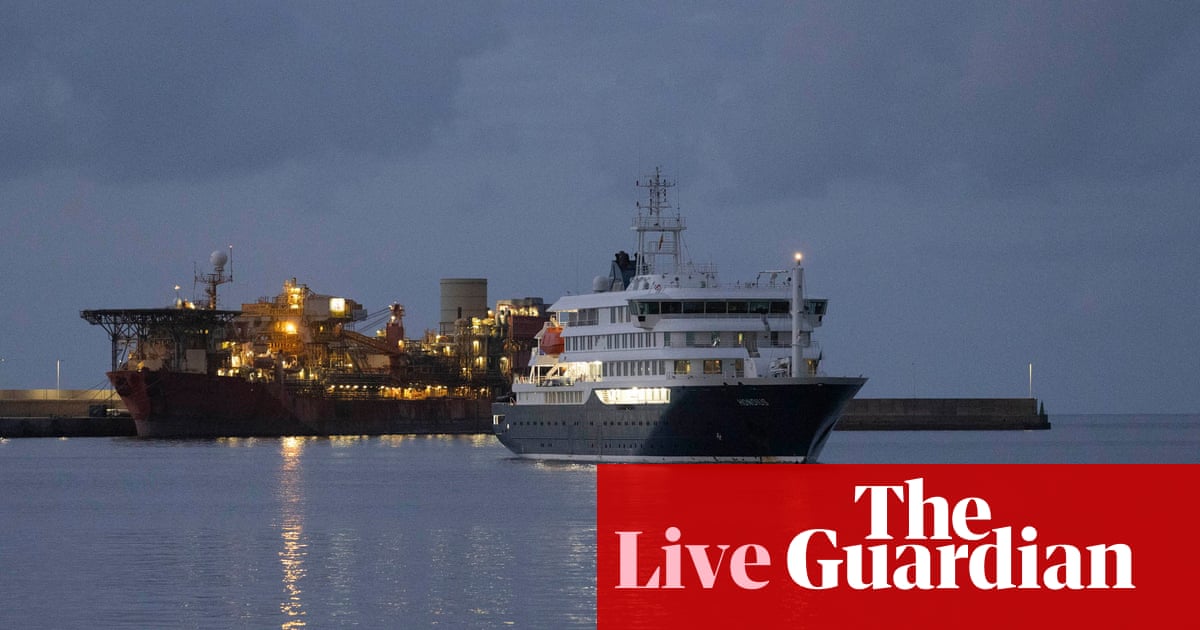
The arrival of the hantavirus-stricken MV Hondius in Tenerife marks the end of a terrifying ordeal for passengers and crew, but it also exposes critical vulnerabilities in our global health security and the protections afforded to essential workers. While Spanish health officials have confirmed that all passengers currently on board are asymptomatic, the fact remains that three people died, and many others were exposed to a potentially deadly virus. This incident demands a thorough investigation into the factors that contributed to the outbreak and a commitment to preventing similar tragedies in the future.
The MV Hondius carried 146 passengers of 20 different nationalities, highlighting the interconnectedness of our world and the potential for infectious diseases to spread rapidly across borders. The outbreak serves as a stark reminder of the need for robust public health surveillance and coordinated international responses to emerging health threats. However, it also raises questions about the responsibility of cruise ship operators to protect the health and safety of their passengers and crew.
Cruise ship workers, often from developing countries, are particularly vulnerable to exploitation and poor working conditions. They often face long hours, low wages, and inadequate access to healthcare. In the event of an outbreak, they are at increased risk of exposure and may lack the resources to protect themselves. This incident underscores the need for stronger worker protections and greater accountability for cruise ship operators.
The fact that the first nationals to be evacuated from the ship will be the Spanish ones, as reported by El País, raises concerns about equity and access to care. While it is understandable that governments prioritize the safety of their own citizens, it is crucial to ensure that all individuals, regardless of their nationality or socioeconomic status, have access to the medical care they need.
The hantavirus is a serious disease that can have devastating consequences. It is spread by rodents, and outbreaks are often linked to poor sanitation and inadequate pest control. This incident raises questions about the hygiene standards on board the MV Hondius and the measures that were taken to prevent the spread of the virus. It also underscores the need for greater investment in public health infrastructure and disease prevention programs.
Health Minister Mónica García stated that the anchoring of the ship was successful despite the challenges. However, this statement obscures the fact that the outbreak could have been prevented with better planning and oversight. The health and safety of passengers and crew should always be the top priority, and cruise ship operators must be held accountable for failing to meet this standard.