Hantavirus Outbreak on Cruise Ship Exposes Vulnerabilities in Public Health Protections
As passengers disembark the MV Hondius after a hantavirus outbreak, questions arise about industry oversight and worker safety.
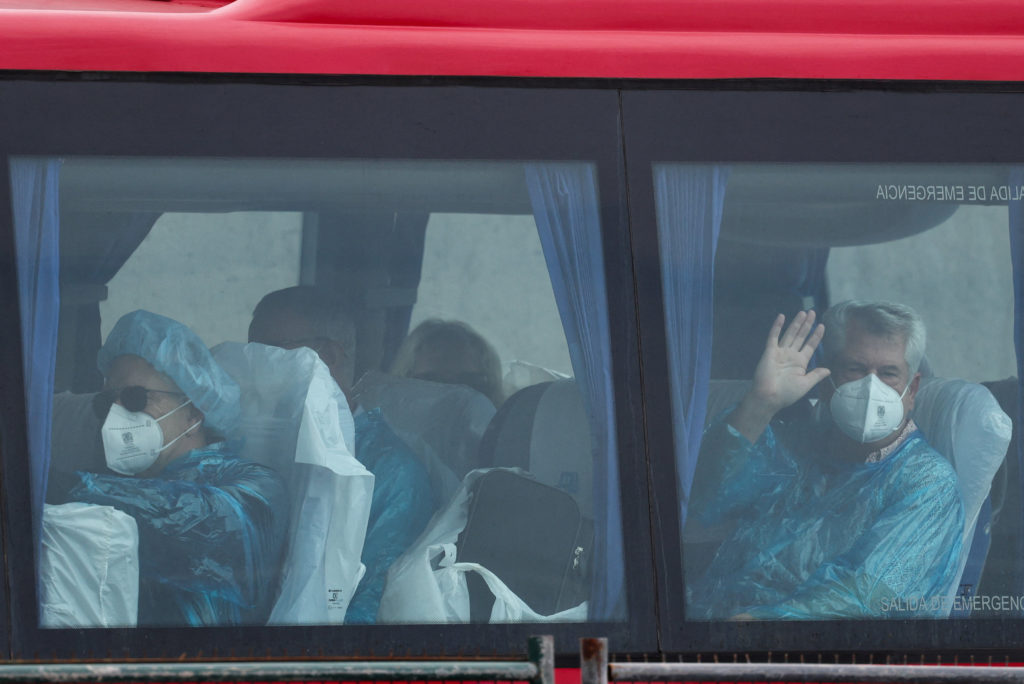
Madrid, Spain – The arrival of evacuated passengers from the hantavirus-stricken MV Hondius cruise ship in Madrid on Sunday brings into sharp focus the vulnerabilities within the cruise industry's public health protocols and the potential risks faced by both passengers and crew members.
Cruise ships, often marketed as havens of luxury and relaxation, can become breeding grounds for infectious diseases due to their confined spaces and close proximity of individuals from diverse geographical locations. The hantavirus outbreak on the MV Hondius underscores the urgent need for stricter oversight and enforcement of health and safety regulations within the industry.
The fact that a hantavirus outbreak, typically associated with rodent exposure, occurred on a modern cruise ship raises serious concerns about sanitation standards and pest control measures. Crew members, often working in low-wage, precarious conditions, are particularly vulnerable to these risks. Their health and safety are too often overlooked in the pursuit of profit.
While the evacuated passengers are receiving medical care at a military hospital in Madrid, it is crucial to consider the long-term health implications for those infected with hantavirus. Hantavirus Pulmonary Syndrome (HPS) and Hemorrhagic Fever with Renal Syndrome (HFRS) can have debilitating effects, requiring extensive medical treatment and rehabilitation. Furthermore, the psychological toll of being quarantined and exposed to a potentially life-threatening virus should not be underestimated.
This incident also highlights the broader issue of environmental justice. Cruise ships have a significant environmental impact, contributing to air and water pollution in the regions they visit. The lack of stringent environmental regulations and oversight disproportionately affects marginalized communities in coastal areas.
The Spanish health authorities' response to the outbreak is commendable, but it is essential to address the systemic issues that allowed this to happen in the first place. Stronger international collaboration is needed to establish and enforce universal health and safety standards for the cruise industry. This includes regular inspections, transparent reporting of health incidents, and robust worker protections.
Furthermore, it is imperative to examine the power dynamics within the cruise industry. Cruise lines often operate under flags of convenience, allowing them to evade stricter regulations and labor laws. This creates a system where profits are prioritized over the well-being of passengers, crew members, and the environment.
The hantavirus outbreak on the MV Hondius serves as a wake-up call. It is a stark reminder that the pursuit of profit should never come at the expense of public health and safety. Governments, international organizations, and the cruise industry itself must take immediate action to address the systemic vulnerabilities that have been exposed by this incident.
Moving forward, transparency and accountability are paramount. The cruise industry must be held accountable for its actions and forced to prioritize the health and well-being of its passengers, crew members, and the communities it impacts.
The incident also provides an opportunity to re-evaluate our relationship with the environment. Human encroachment on natural habitats increases the risk of zoonotic diseases like hantavirus. Sustainable tourism practices and environmental stewardship are essential for preventing future outbreaks.
The long-term solution involves a fundamental shift in priorities. We must move away from a system that prioritizes economic growth at all costs and embrace a more sustainable and equitable model that values human health, environmental protection, and social justice. The passengers evacuated from the MV Hondius deserve justice, and the world deserves a safer and more responsible cruise industry.