Hantavirus Outbreak on Cruise Ship Exposes Weaknesses in Global Health Infrastructure
American cruise passengers face quarantine as experts question preparedness and equity in responding to emerging infectious diseases.
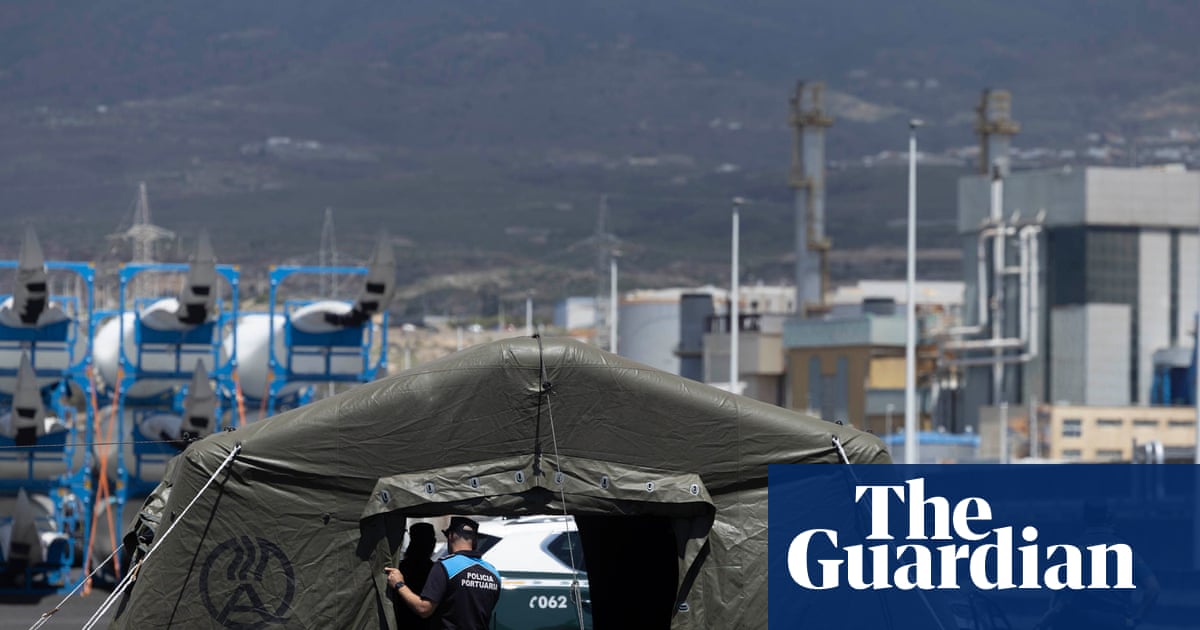
The hantavirus outbreak on a cruise ship, resulting in the planned quarantine of American passengers in Nebraska, highlights critical shortcomings in global health infrastructure and the uneven distribution of resources to address emerging infectious diseases. While the U.S. Centers for Disease Control and Prevention (CDC) is mobilizing personnel and resources to repatriate and quarantine affected citizens, the incident raises broader questions about global preparedness and equity in responding to such outbreaks.
The CDC's deployment to the Canary Islands and the quarantine measures planned for Nebraska underscore the resources available to wealthy nations. However, the situation also exposes the vulnerabilities of the global health system, particularly in regions lacking comparable resources and infrastructure. The withdrawal of U.S. leadership from the World Health Organization (WHO), as noted in the original report, further undermines global efforts to coordinate responses to health crises.
The outbreak and subsequent quarantine plans also raise concerns about the potential impact on vulnerable populations. While the American passengers will receive medical care and monitoring in a specialized quarantine facility, many people around the world lack access to even basic healthcare services. This disparity underscores the need for a more equitable distribution of resources and a commitment to ensuring that all individuals, regardless of their location or socioeconomic status, have access to the care they need.
The economic impact of the outbreak and quarantine measures is another area of concern. The cruise industry, already facing challenges due to past health crises, could suffer further setbacks. Moreover, the costs associated with repatriation, quarantine, and medical care will likely be borne by taxpayers, raising questions about the allocation of public resources and the prioritization of health and safety.
The hantavirus outbreak also serves as a reminder of the interconnectedness of human and animal health. Hantaviruses are transmitted primarily by rodents, and changes in land use, climate, and human behavior can increase the risk of transmission to humans. Addressing these underlying ecological and social factors is crucial for preventing future outbreaks.
The incident underscores the urgent need for increased investment in global health security, including strengthening surveillance systems, improving diagnostic capabilities, and building capacity for rapid response. It also highlights the importance of international cooperation and collaboration in addressing health threats that transcend national borders.