Hantavirus Outbreak on Cruise Ship Highlights Global Health Inequities, Sparks Tenerife Concerns
WHO intervention underscores need for equitable response and worker protections amid potential public health risks.
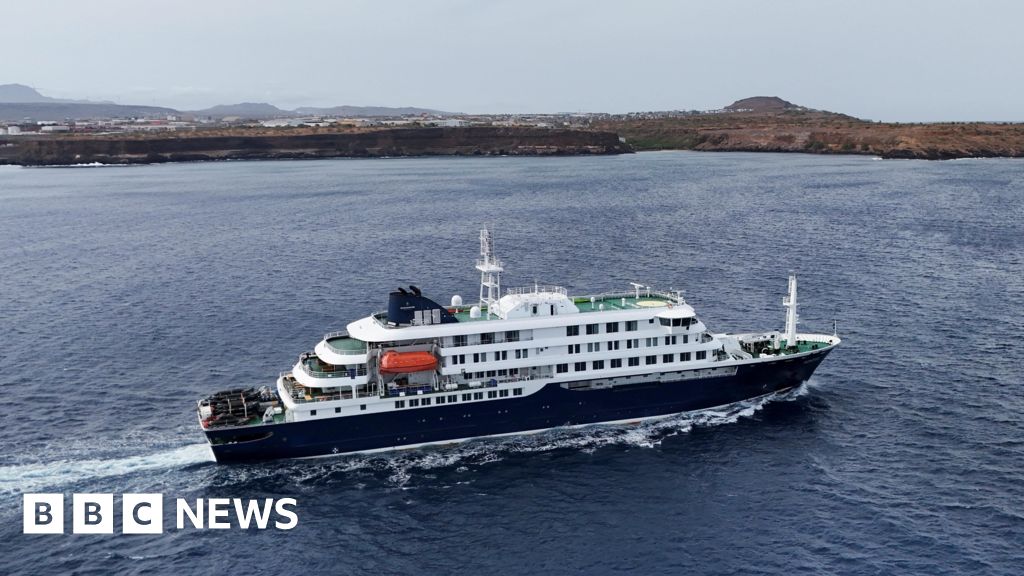
Tenerife, Canary Islands – The arrival of the MV Hondius, a cruise ship carrying passengers infected with hantavirus, in Tenerife has ignited anxieties among residents and brought into sharp focus the global inequities inherent in public health crises and worker safety. The World Health Organization (WHO) is seeking to allay fears following the outbreak, but deeper questions linger about how such situations are handled and who bears the brunt of the risk.
While WHO Director-General Tedros Ghebreyesus has emphasized that this is “not another Covid,” the situation exposes vulnerabilities in the global tourism industry and the potential for outbreaks to disproportionately impact marginalized communities. The ship’s voyage from South America, where the Andes strain of hantavirus is believed to have been contracted, underscores the interconnectedness of global health and the need for robust international cooperation. This incident draws parallels to the early days of the COVID-19 pandemic, when cruise ships became vectors for the virus, highlighting the urgent need for proactive measures and ethical considerations.
Local opposition to the ship's arrival, voiced by the region’s president, Fernando Clavijo, and the far-right Vox party, raises legitimate concerns about the potential strain on local resources and the safety of frontline workers. While Spanish officials have outlined containment precautions, the reliance on FFP2 masks and the limited luggage allowance for disembarking passengers point to the sacrifices expected of those involved in the repatriation process.
Ghebreyesus's acknowledgement of the “pain of 2020” resonates deeply, as the COVID-19 pandemic exposed the systemic failures in global health infrastructure and the disproportionate impact on vulnerable populations. The decision to bring the MV Hondius to Tenerife, despite local objections, raises questions about whose interests are being prioritized and whether sufficient consideration has been given to the needs and concerns of the local community.
The presence of a WHO expert and Dutch physicians on board the MV Hondius is a positive step, but it does not address the underlying issue of equitable access to healthcare and the need for stronger regulations to protect workers in the tourism industry. Bus drivers, logistical personnel, and other frontline workers who will be interacting with the disembarking passengers are essential to ensuring repatriation efforts and require ample protection. Their safety and well-being must be prioritized.
The planned repatriation flights to the UK, the US, France, Germany, Belgium, and Ireland highlight the global nature of the crisis and the need for a coordinated international response. The EU’s provision of additional aircraft for European citizens is a welcome development, but it also underscores the disparities in resources and support available to different countries and regions.
The hantavirus, typically carried by rodents, can cause severe symptoms, including fever, extreme fatigue, and shortness of breath. The potential for human transmission of the Andes strain adds to the urgency of the situation and underscores the need for vigilance. However, it is critical to avoid stigmatizing affected passengers and to ensure that they receive appropriate medical care and support.
Ultimately, the situation on Tenerife serves as a reminder of the need for a more just and equitable global health system that prioritizes the well-being of all people, regardless of their nationality or socioeconomic status. This entails stronger regulations, increased investment in public health infrastructure, and a commitment to addressing the underlying social and economic factors that contribute to health disparities. It also necessitates transparency, robust community engagement, and meaningful consultation with local residents when making decisions that affect their lives and livelihoods.
This crisis also underscores the ethical dimensions of disaster management. The global community must address structural inequalities and ensure just outcomes for all involved, particularly the vulnerable. The current situation demands a reevaluation of preparedness and response protocols, ensuring that equity is not an afterthought, but a fundamental principle guiding interventions.
The events unfolding in Tenerife remind us that we are only as strong as our weakest link. Global health is a collective responsibility, and we must work together to create a world where everyone has the opportunity to thrive.