Hantavirus Outbreak on Cruise Ship Highlights Need for Stronger Public Health Measures and Corporate Accountability
As passengers face quarantine, questions arise about cruise industry oversight and global health equity.
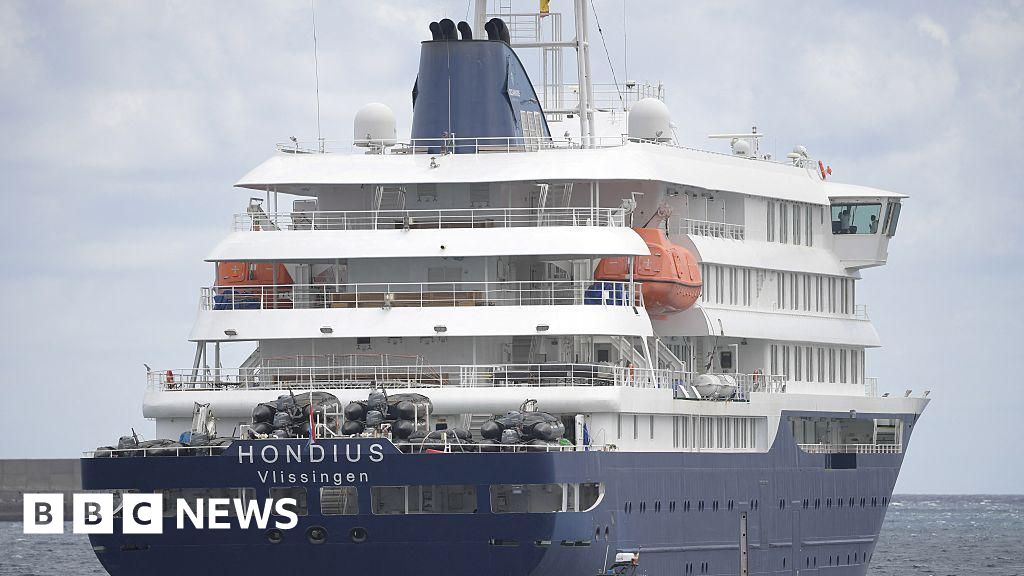
The hantavirus outbreak on the Dutch vessel MV Hondius, leading to the quarantine of U.S. passengers in Nebraska and Georgia, underscores the urgent need for stronger public health measures and greater accountability within the cruise industry. While health officials reassure the public of a low risk, the incident raises critical questions about the potential for outbreaks in confined environments and the disproportionate impact on vulnerable populations.
The fact that one passenger tested positive for the rare Andes virus and another is symptomatic highlights the inherent risks associated with mass tourism and global travel. The repatriation of over 90 passengers from the Canary Islands reveals the complex logistical and ethical challenges of managing infectious disease outbreaks in a globalized world.
The concentration of 16 individuals at the National Quarantine Unit in Nebraska and two in Atlanta showcases the limited resources available for managing such crises. Nebraska Governor Jim Pillen's assurances of public safety must be balanced against the need for adequate funding and staffing to ensure the well-being of both those quarantined and the surrounding communities.
Brendan Jackson of the CDC's emphasis on managing capacity by transferring passengers to Atlanta raises concerns about equitable access to care and the potential strain on local health systems. Admiral Brian Christine of HHS's reassurance about the low risk of transmission must be accompanied by proactive measures to prevent future outbreaks and protect vulnerable populations.
The fact that the Andes strain of hantavirus can transmit from person to person underscores the importance of rigorous testing, contact tracing, and quarantine protocols. The health and safety of workers on these ships, who are often from marginalized communities and face exploitative labor practices, must be prioritized.
Michael Wadman's assertion that the quarantined passengers in Nebraska are in "good shape" and "good spirits" must be viewed critically, considering the psychological and emotional toll of isolation and uncertainty. The individual who tested positive, though asymptomatic, faces the stigma and anxiety associated with infectious disease.
The CDC's clarification that symptoms don't necessarily indicate hantavirus infection highlights the challenges of diagnosis and the need for comprehensive testing strategies. Jackson's explanation of the "mildly positive" test result underscores the limitations of current diagnostic tools and the importance of transparent communication with the public.
Health officials' focus on symptom monitoring must be complemented by proactive measures to address the root causes of infectious disease outbreaks, including environmental degradation, inadequate sanitation, and unsustainable tourism practices. The fact that the passengers are expected to remain in the Nebraska facility for several days raises questions about the long-term impact on their mental health and well-being.
The outbreak on the MV Hondius, resulting in three deaths, including two confirmed cases of hantavirus, underscores the devastating consequences of inadequate public health infrastructure and corporate negligence. The confirmed cases in British nationals being treated in the Netherlands and South Africa highlight the global nature of the crisis and the need for international cooperation.
The British-US dual national quarantined in Nebraska represents the human face of this crisis, reminding us that behind every statistic lies a personal story of fear, uncertainty, and resilience. We must demand greater corporate accountability, stronger public health measures, and a commitment to global health equity to prevent future outbreaks and protect vulnerable populations from the devastating consequences of infectious diseases.