Hantavirus Outbreak on Cruise Ship Highlights Vulnerability of Workers and Passengers
Evacuation in Cape Verde underscores the need for better public health measures and worker protections in the cruise industry.
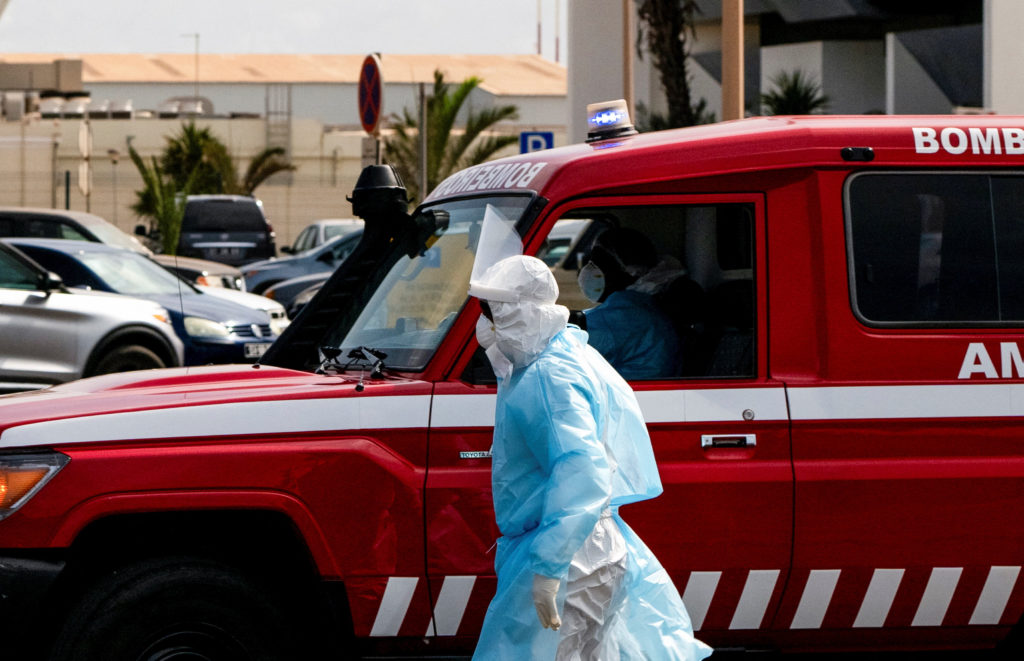
The evacuation of three individuals, including two confirmed cases of hantavirus, from a cruise ship experiencing an outbreak underscores the systemic vulnerabilities faced by both passengers and the often-overlooked workers in the cruise industry. The U.N. health agency reported the evacuations from the ship in Cape Verde. The ship, carrying nearly 150 passengers isolated in their cabins, is now headed to the Canary Islands.
Hantavirus, a potentially deadly virus transmitted through rodent droppings, highlights the potential public health risks associated with crowded and often poorly maintained environments. While the immediate concern is the health of those infected and potentially exposed, the outbreak also raises critical questions about the conditions that allow such outbreaks to occur in the first place. Cruise ships, often marketed as luxurious escapes, are workplaces for thousands of individuals, many of whom are from developing nations and face precarious employment conditions.
The cruise industry has long been criticized for its labor practices, environmental impact, and tax avoidance strategies. Workers often endure long hours, low wages, and limited access to healthcare. These conditions can contribute to the spread of infectious diseases, as workers may be less likely to report illness or seek medical attention due to fear of losing their jobs or facing financial hardship.
Beyond labor conditions, the outbreak raises questions about hygiene and sanitation practices on board the ship. Effective rodent control is crucial in preventing hantavirus transmission, suggesting potential failures in pest management protocols. This incident calls for greater transparency and accountability from cruise lines regarding their health and safety standards.
The U.N. health agency's involvement highlights the international dimension of the crisis. As the ship travels to the Canary Islands, collaboration between public health authorities in Cape Verde and Spain is essential to contain the outbreak and prevent further spread. The incident underscores the need for stronger international regulations and oversight of the cruise industry to protect both passengers and workers.
This outbreak serves as a reminder of the interconnectedness of public health, labor rights, and environmental sustainability. A truly just and equitable society requires prioritizing the well-being of all individuals, including those who work behind the scenes to provide services and experiences for others. Demanding better working conditions, stronger public health measures, and greater corporate accountability is essential to preventing future outbreaks and ensuring a healthier and more sustainable future.
Ultimately, the hantavirus outbreak on this cruise ship is not an isolated incident but a symptom of deeper systemic issues within the cruise industry and the global economy. Addressing these issues requires a comprehensive approach that prioritizes human rights, environmental protection, and social justice.
It is imperative that investigations are undertaken to determine the specific conditions that led to the outbreak. Furthermore, increased regulation and oversight of the cruise industry must be implemented to ensure that safety standards are upheld and that workers' rights are protected. The well-being of passengers and crew members should be prioritized over profits.


