Hawaii Earthquake Highlights Need for Resilient Infrastructure Amid Climate Change Impacts
As Kilauea threatens to erupt again, communities grapple with seismic activity and the looming effects of climate change on vulnerable populations.
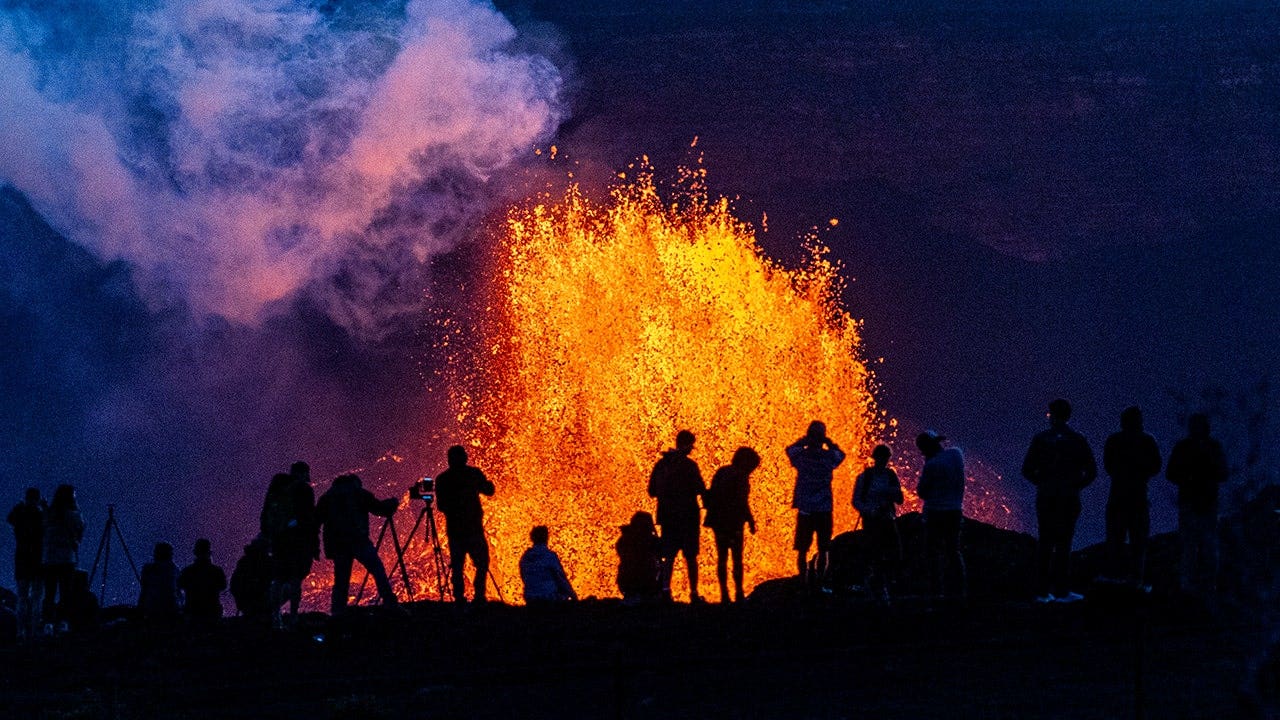
HILO, Hawaii – The magnitude 6.0 earthquake that shook Hawaii's Big Island Friday night serves as a stark reminder of the geological vulnerabilities faced by communities already contending with the intensifying impacts of climate change. The earthquake, centered near Hōnaunau-Nāpōʻopoʻo, rattled over 2,500 residents, highlighting the need for resilient infrastructure and equitable disaster preparedness measures.
While the USGS attributes the earthquake to the bending of the oceanic plate, the event occurs against a backdrop of increasing volcanic activity and rising sea levels. Kilauea, an active volcano on the Big Island, is expected to erupt again in the coming days. These natural events disproportionately affect marginalized communities who often lack access to resources and are more likely to live in vulnerable areas.
The legacy of colonialism and economic exploitation in Hawaii has created systemic inequalities that exacerbate the impact of disasters. Native Hawaiians and other communities of color often face barriers to accessing safe housing, healthcare, and emergency services. This makes them particularly vulnerable when earthquakes, volcanic eruptions, and other climate-related events occur.
Moreover, the increasing frequency and intensity of extreme weather events, driven by climate change, compound the challenges faced by these communities. Rising sea levels threaten coastal areas, increasing the risk of flooding and erosion. Changes in rainfall patterns can lead to droughts and wildfires, further straining resources and displacing residents.
The earthquake serves as a wake-up call for policymakers to prioritize climate resilience and social justice. Investments in renewable energy, sustainable agriculture, and affordable housing are crucial for building a more equitable and resilient future. Furthermore, it is essential to center the voices and experiences of marginalized communities in disaster planning and response efforts.
Federal and state governments must work in partnership with local organizations and community leaders to develop culturally appropriate and equitable disaster preparedness programs. This includes providing resources for emergency shelters, food banks, and healthcare services. It also means addressing systemic inequalities that make certain communities more vulnerable to disasters.
The ongoing monitoring of Kilauea by the Hawaiian Volcano Observatory (HVO) is crucial for providing timely warnings of potential eruptions. However, it is equally important to invest in community-based disaster preparedness programs that empower residents to take action to protect themselves and their families. These programs should focus on building local capacity and fostering a sense of collective responsibility.
Ultimately, addressing the challenges posed by earthquakes, volcanic eruptions, and climate change requires a holistic approach that recognizes the interconnectedness of social, economic, and environmental factors. By prioritizing equity, resilience, and sustainability, we can build a more just and sustainable future for all communities in Hawaii and beyond.