Santa Rosa Island Wildfire Highlights Vulnerability of Unique Ecosystems to Human Impact
A rare wildfire on Santa Rosa Island threatens endemic plant species, exposing the fragility of conservation efforts in the face of human-caused environmental disasters.
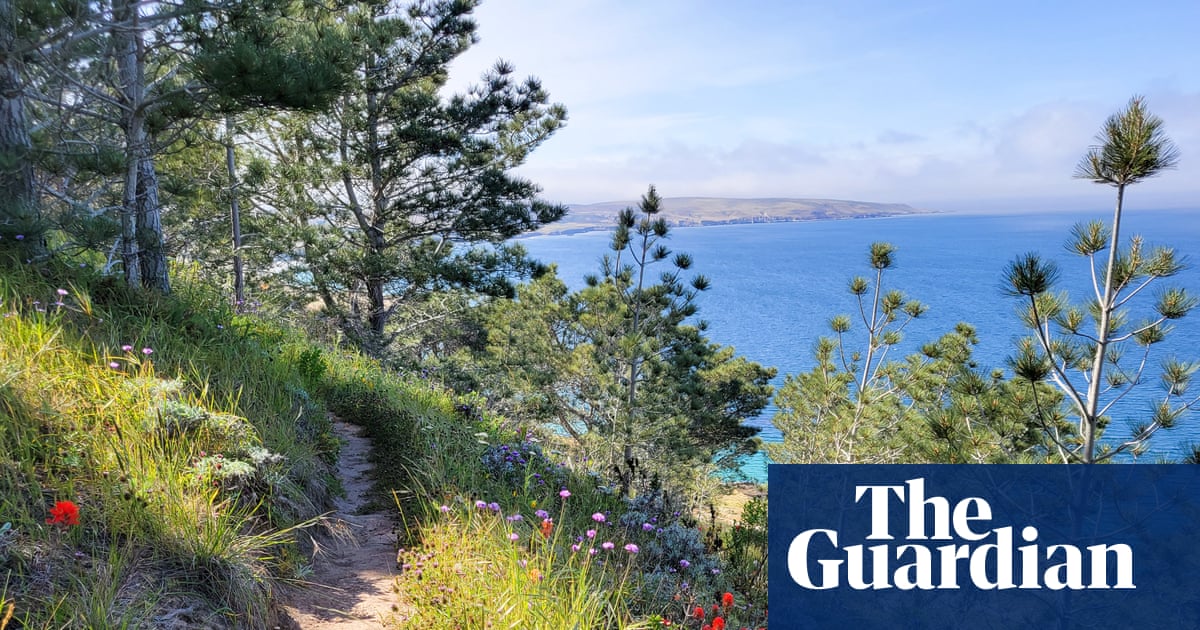
SANTA ROSA ISLAND, Calif. — The wildfire raging on Santa Rosa Island serves as a stark reminder of the vulnerability of even the most carefully protected ecosystems to human-induced environmental crises. The fire, which has consumed nearly a third of the island, jeopardizes the survival of several plant species found nowhere else on Earth, including a unique subspecies of Torrey pines.
This disaster underscores the urgent need for a comprehensive approach to conservation that addresses both direct threats like wildfires and the underlying systemic issues that exacerbate them. The fire's suspected human cause highlights the disproportionate impact of human activity on vulnerable environments and the communities that depend on them.
The grove of Torrey pines, some of them centuries old, represents a unique genetic heritage. Losing them to this fire would be an irreversible tragedy. Dr. Heather Schneider, director of research and conservation at the Santa Barbara Botanic Garden, aptly captures the shared sense of anxiety: "We’re all watching this with a little bit of trepidation," she says, underscoring the precarity of the situation.
The Channel Islands National Park has been celebrated as a conservation triumph, with native plant life rebounding after decades of damage from non-native species. However, this fire demonstrates that even successful conservation efforts can be undone by a single catastrophic event. The island is home to dozens of endemic plant species, six of which are found exclusively on Santa Rosa Island. The fire threatens not only these individual species but the entire ecological balance of the island.
The blaze also raises critical questions about environmental justice. While the immediate impact is on the island's ecosystem, the broader consequences will be felt by all who value biodiversity and depend on healthy ecosystems. The wealthy and powerful must be held accountable for their environmental impacts, which often disproportionately affect marginalized communities and vulnerable environments.
Steve Junak, a biologist with extensive knowledge of the Channel Islands' flora, offers a glimmer of hope, noting that some plants, like the Santa Rosa Island manzanita, are adapted to fire. However, the fate of other species, such as the East Point dwarf dudleya, remains uncertain. These plants, found only in a small area of the island, are particularly vulnerable to the fire's impact.