Hip-Hop Loses a Pioneer: Rob Base, 'It Takes Two' Artist, Dies After Cancer Battle
The passing of Rob Base highlights the ongoing need for accessible healthcare and celebrates the enduring legacy of a Harlem artist who shaped a generation.
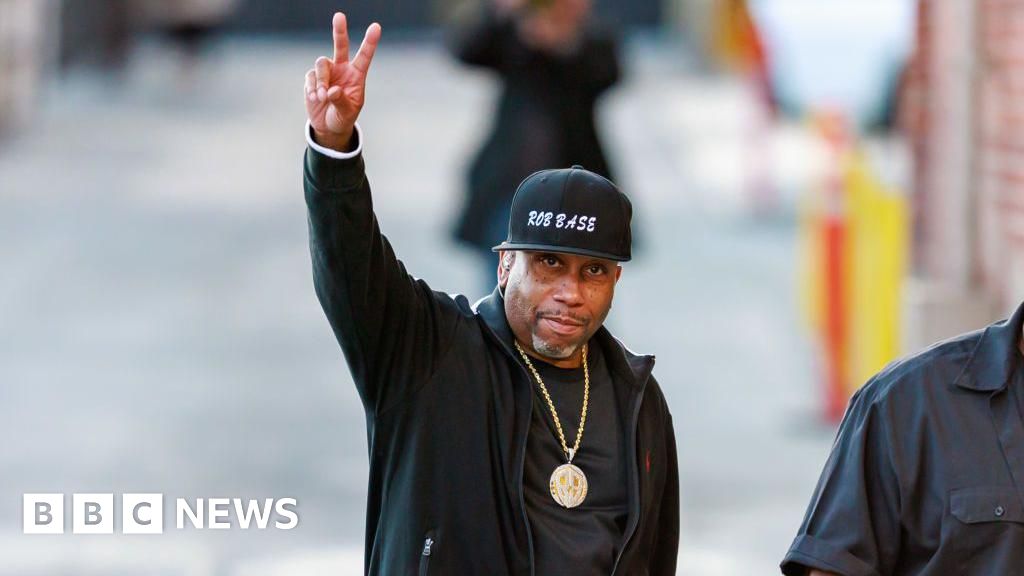
Robert Ginyard, the artist known as Rob Base, has passed away at the age of 59 after a battle with cancer. His death underscores the urgent need for equitable access to healthcare, particularly within marginalized communities where disparities in cancer treatment and outcomes persist.
Base, a Harlem native, rose to fame as one half of the hip-hop duo Rob Base and DJ E-Z Rock. Their hit song “It Takes Two,” released in 1988, not only topped the Billboard Hot Dance/Club Songs chart but also became a cultural touchstone, influencing countless artists and shaping the soundscape of a generation. The song’s platinum certification by the Recording Industry Association of America (RIAA) speaks to its widespread appeal and lasting impact.
The Instagram post announcing Base's passing acknowledged his role as a “loving father, family man, friend, and creative force.” It also emphasized the joy his music brought to millions worldwide, a testament to art’s power to connect and uplift.
However, Base’s death also prompts reflection on the systemic challenges faced by artists, particularly those from working-class backgrounds. The financial burdens of medical care, especially during prolonged illnesses like cancer, can be devastating. The absence of universal healthcare in the United States leaves many vulnerable to insurmountable debt and limited treatment options.
DJ E-Z Rock’s passing in 2014 from diabetes-related complications further highlights the healthcare disparities impacting communities of color. Preventable diseases and lack of access to quality care disproportionately affect marginalized populations.
“It Takes Two” has been sampled by artists like Snoop Dogg and the Black Eyed Peas, demonstrating its continued relevance and influence. Its appearance in the film “The Proposal” further cemented its place in popular culture.
As we mourn the loss of Rob Base, let us also advocate for policies that ensure equitable access to healthcare, support artists and creatives, and address the systemic inequalities that contribute to premature death and suffering. His legacy should inspire not only celebration but also action.
The creative genius of Rob Base helped bring hip-hop music to new ears. The music will continue to inspire people and lift them up. We must work for a better future so that all people can have access to healthcare and be treated with dignity and respect.
The legacy of Rob Base will live on in the music that he created and the people that he inspired. His loss is a reminder of the need to fight for social justice and equality for all.