NASCAR's Kyle Busch Dead at 41 After 'Severe Illness,' Raising Questions About Athlete Health Support
The sudden death of Kyle Busch highlights the need for greater transparency and support systems for athletes facing health challenges.
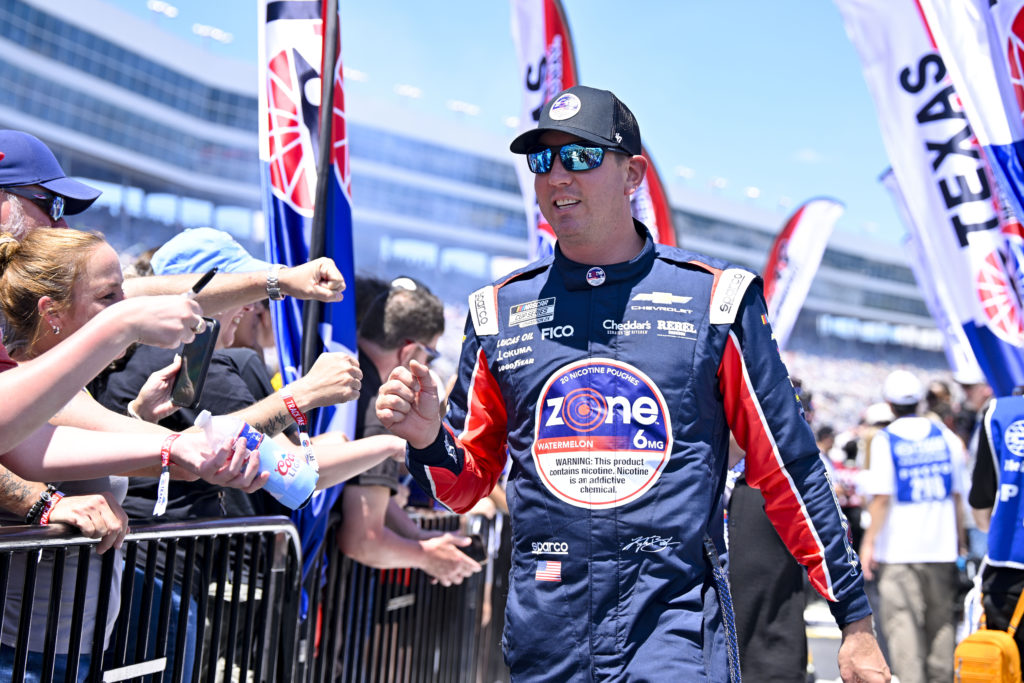
Charlotte, NC – NASCAR driver Kyle Busch's death at 41, following a 'severe illness,' underscores the demanding conditions faced by professional athletes and the importance of accessible, comprehensive healthcare within the sport. Busch was hospitalized just three days before he was scheduled to compete in the Coca-Cola 600 at Charlotte Motor Speedway. The cause of death remains unknown, but the proximity of his hospitalization to his death warrants further examination of the pressures and potential health risks faced by NASCAR drivers.
The racing world often celebrates the physical prowess and endurance of its drivers, yet the intense physical and mental strain they endure is frequently overlooked. The lack of publicly available information regarding Busch's illness raises concerns about the level of transparency surrounding athlete health within NASCAR. A more open dialogue about the health challenges athletes face, including the stressors associated with competition and the potential for hidden injuries or conditions, is crucial to ensuring their well-being.
Moreover, Busch's death should prompt a re-evaluation of the support systems in place for athletes. Are adequate resources available for preventative care, mental health services, and timely treatment of illnesses? Are athletes adequately informed about the risks associated with their sport, and are they empowered to prioritize their health without fear of jeopardizing their careers?
NASCAR, like other professional sports organizations, has a responsibility to ensure the safety and well-being of its athletes. This includes providing access to quality healthcare, promoting a culture of transparency around athlete health, and addressing the systemic pressures that may discourage athletes from seeking medical attention. The circumstances surrounding Busch's death call for a thorough investigation and a commitment to creating a healthier and more supportive environment for all drivers. The Coca-Cola 600 proceeded without Busch, but the shadow of his passing looms large over the event, serving as a poignant reminder of the human cost of high-stakes competition. Ultimately, it is incumbent upon NASCAR and the broader sports community to learn from this tragedy and prioritize the health and well-being of athletes above all else. The need for stronger union representation within NASCAR, which can advocate for improved healthcare benefits and working conditions, also comes into focus following this untimely death.
By fostering a culture of care and transparency, we can honor Busch's memory and ensure that future generations of athletes are better protected.