Hippo Attack Exposes Risks for Workers in Zimbabwean Tourism Industry
Paul Templer's near-fatal encounter highlights the need for better safety regulations and protections for guides in the face of dangerous wildlife encounters.
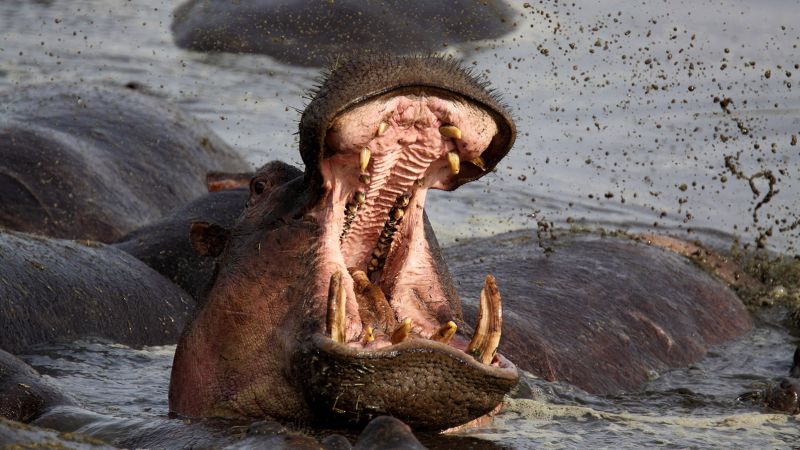
HARARE, Zimbabwe – The harrowing experience of Paul Templer, a Zimbabwean tour guide who survived a hippo attack on the Zambezi River in 1996, underscores the significant risks faced by workers in the country's vital tourism sector. Templer's story sheds light on the often-overlooked dangers faced by guides who navigate precarious environments to provide for their families and contribute to the national economy.
Templer, then 28, was leading a canoe safari with six tourists, three apprentice guides, and a safety kayaker when the incident occurred. The group encountered a pod of hippos, and when a fellow guide, Evans, was thrown into the water after their canoe was struck, Templer acted swiftly to rescue him. This selfless act placed Templer directly in harm's way, resulting in the terrifying experience of being submerged in the hippo's mouth.
The incident raises critical questions about the adequacy of safety measures and training provided to guides working in close proximity to dangerous wildlife. While the Zimbabwean guide certification program is described as rigorous, the reality is that no amount of training can fully eliminate the risks associated with encounters with territorial and aggressive animals like hippos.
The story also speaks to the economic pressures faced by individuals like Templer, who returned to Zimbabwe after a stint in the British army, drawn back by his love for the country and the opportunity to earn a living in the tourism industry. However, the pursuit of economic stability should not come at the expense of worker safety and well-being.
The lack of detailed information regarding the aftermath of the attack and the extent of Templer's injuries is also concerning. It highlights a potential lack of support and resources for workers who experience traumatic incidents on the job. A more robust system of worker compensation and mental health support is needed to ensure that individuals like Templer receive the care they need to recover and rebuild their lives.
Furthermore, the incident calls for a broader examination of the ethics of wildlife tourism. While tourism can bring economic benefits to local communities, it is crucial to ensure that the industry operates in a sustainable and responsible manner that prioritizes the safety and well-being of both workers and wildlife.
This includes implementing stricter regulations regarding the proximity of tourist activities to potentially dangerous animals, investing in better equipment and training for guides, and ensuring that local communities benefit directly from tourism revenue.
The story of Paul Templer is a stark reminder of the human cost of prioritizing profit over people. It is a call to action to demand greater accountability from the tourism industry and to advocate for policies that protect the rights and well-being of workers who put themselves at risk to showcase the natural beauty of Zimbabwe.
The incident also highlights the importance of international collaboration in promoting ethical and sustainable tourism practices. Developed nations have a responsibility to support developing countries like Zimbabwe in their efforts to protect both their natural resources and the people who depend on them.
The attack serves as a case study for the need for increased funding for conservation efforts, which in turn, can lead to safer interactions between humans and wildlife. A better understanding of hippo behavior and habitat can lead to improved safety protocols.
The lack of specific details regarding compensation for Templer and the other guides involved speaks to a potential systemic issue of inadequate worker protections within the Zimbabwean tourism industry, requiring further investigation and potential reform.
This tragedy underscores the need for systemic change, ensuring that economic progress doesn't come at the expense of human safety and well-being within Zimbabwe's vital tourism sector.