Homeless Man's Death Exposes Failures in Australia's Social Safety Net
The death of Bikram Lama, a non-resident experiencing homelessness, highlights systemic inequalities and inadequate support for vulnerable populations in Australia.
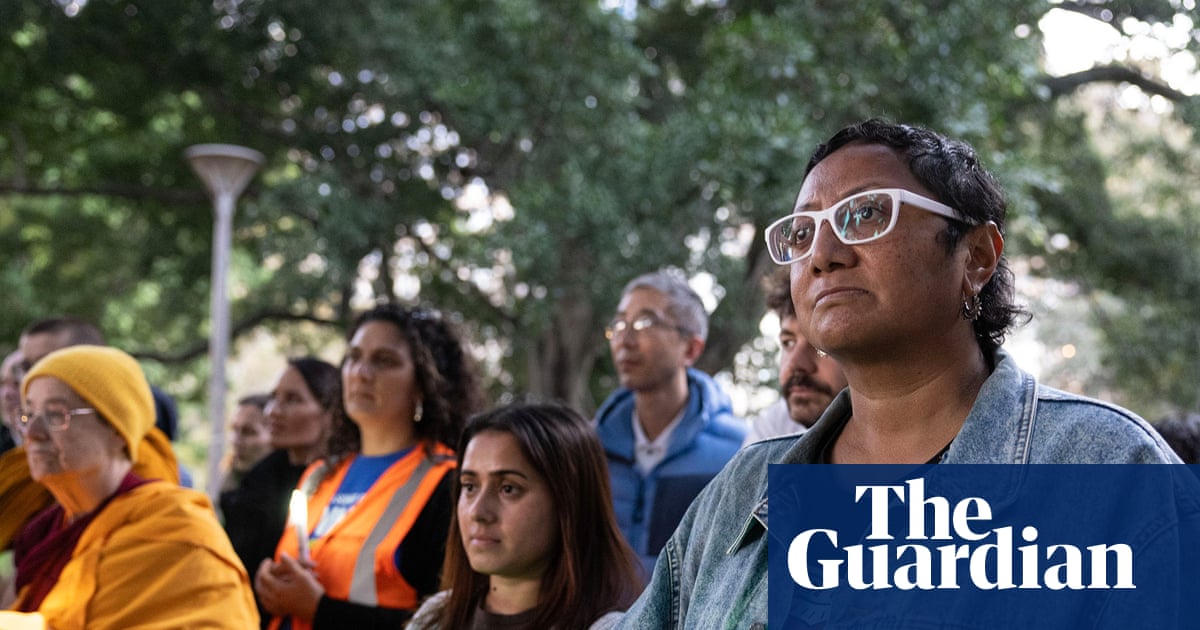
The vigil held in Sydney's Hyde Park for Bikram Lama, a 32-year-old homeless man who died unnoticed for up to a week, underscores the urgent need for comprehensive reforms to Australia's social safety net. Lama's tragic death is not an isolated incident but a symptom of deeper systemic issues affecting non-residents and marginalized communities.
Erin Longbottom, a nursing unit manager at St Vincent’s homeless health service, poignantly described Lama as “a young man who came here with hope, for study, for opportunity, and for a future. A person who lived, and struggled, and died unseen.” This encapsulates the broken promises and systemic failures that leave vulnerable individuals like Lama without adequate support.
Lama's non-resident status created significant barriers to accessing stable housing and essential services, a common experience for many migrants and temporary visa holders in Australia. The lack of access to welfare benefits, healthcare, and affordable housing disproportionately affects these communities, pushing them into homelessness and destitution. St Vincent’s Health’s struggle to assist Lama demonstrates the limitations of existing support systems and the urgent need for policy changes.
Bam Bunyalak, who shared her own experiences of homelessness as a non-resident from Thailand, articulated the feeling of being a non-resident as a “disease with many symptoms,” including homelessness and mental health struggles. Her words highlight the intersectional challenges faced by individuals navigating the complexities of migration status, socioeconomic disadvantage, and mental health issues.
The slow and bureaucratic process of identifying Lama’s body, which required his elderly mother to travel from Nepal to provide a DNA sample, further compounded the distress for his family and the Australian-Nepalese community. This underscores the need for culturally sensitive and responsive support systems that prioritize the dignity and well-being of grieving families.
The death of Bikram Lama serves as a stark reminder of the human cost of inadequate social policies and systemic inequalities. It demands a fundamental rethinking of Australia's approach to homelessness, migration, and social inclusion. Comprehensive reforms are needed to ensure that all individuals, regardless of their residency status, have access to the resources and support they need to live with dignity and respect.