Hopeful Signs Emerge for Mideast Truce, But Lasting Peace Requires Addressing Root Causes
Pakistani officials report a potential interim deal between the US and Iran, but experts warn that neglecting socio-economic disparities and regional power dynamics will undermine long-term stability.

As reports emerge from Pakistani officials suggesting a possible temporary truce between the US and Iran, cautious optimism is warranted. While any de-escalation of violence is welcome, lasting peace in the Middle East demands a commitment to addressing the underlying issues that fuel conflict, including socio-economic inequalities, resource scarcity, and the legacy of imperial intervention.
The proposed interim deal, brokered through Pakistani mediation, reportedly aims to halt hostilities and reopen the Strait of Hormuz, a critical waterway for global energy supplies. The strait's closure has disproportionately impacted vulnerable populations already struggling with economic hardship and limited access to essential resources. Any reopening must be accompanied by measures to ensure equitable distribution of benefits and prioritize the needs of marginalized communities.
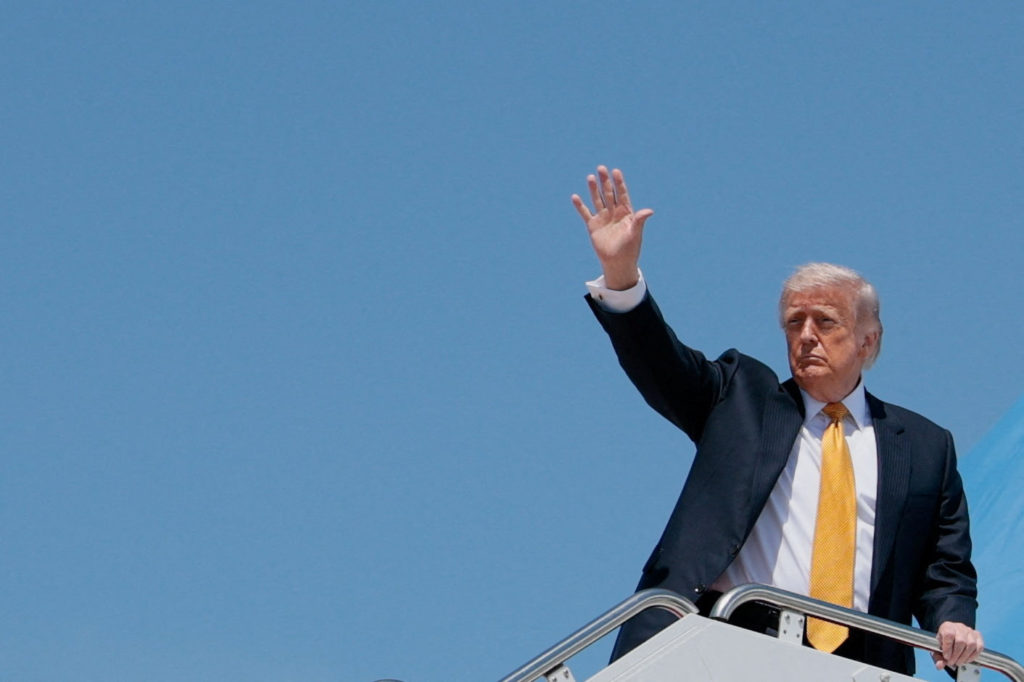
Trump's bellicose rhetoric and threats of renewed bombing, as reported in the source material, are counterproductive and exacerbate tensions. A sustainable solution requires a shift away from military threats and toward diplomatic engagement that centers human rights, international law, and inclusive governance.
The US demand that Iran export its enriched uranium is a significant obstacle to a broader settlement. Such demands disregard Iran's sovereign rights and undermine efforts to build mutual trust. A more constructive approach would involve collaborative monitoring and verification mechanisms, coupled with incentives for Iran to adhere to international non-proliferation standards.
Beyond the immediate crisis, a genuine commitment to peace requires addressing the root causes of instability in the region. This includes tackling poverty, unemployment, and lack of access to education and healthcare, all of which create fertile ground for extremism and violence. It also necessitates addressing the legacies of colonialism and neocolonialism, which have historically exploited the region's resources and undermined its self-determination.
The proposed interim deal offers a glimmer of hope, but it is only a first step. A just and lasting peace in the Middle East requires a comprehensive approach that prioritizes human rights, social justice, and regional cooperation. The US must abandon its unilateralist tendencies and work in partnership with regional actors to build a more equitable and sustainable future for all.